Ever wake up with a scratchy throat, dry skin, or a stuffy nose, especially in the winter? You’re not alone. That dry, recycled indoor air can be brutal. A humidifier is often the hero we need, quietly pumping soothing moisture back into our environment. But then a little voice in the back of your head might ask, “This is great, but How Much Electricity Does A Humidifier Use?” It’s a fair question. We all want a comfortable home, but we’re also mindful of our energy bills.
Well, as the Senior Consultant for Humidifier Go, I’m here to demystify that exact question. I’ve spent years helping people transform their living spaces, and I can tell you that the answer is… it depends! But don’t worry, it’s almost always less than you think. Let’s break it down together, so you can breathe easy in every sense of the word. The energy cost is a small price to pay for escaping the discomfort of dry air, and I’ll show you just how small that price can be.
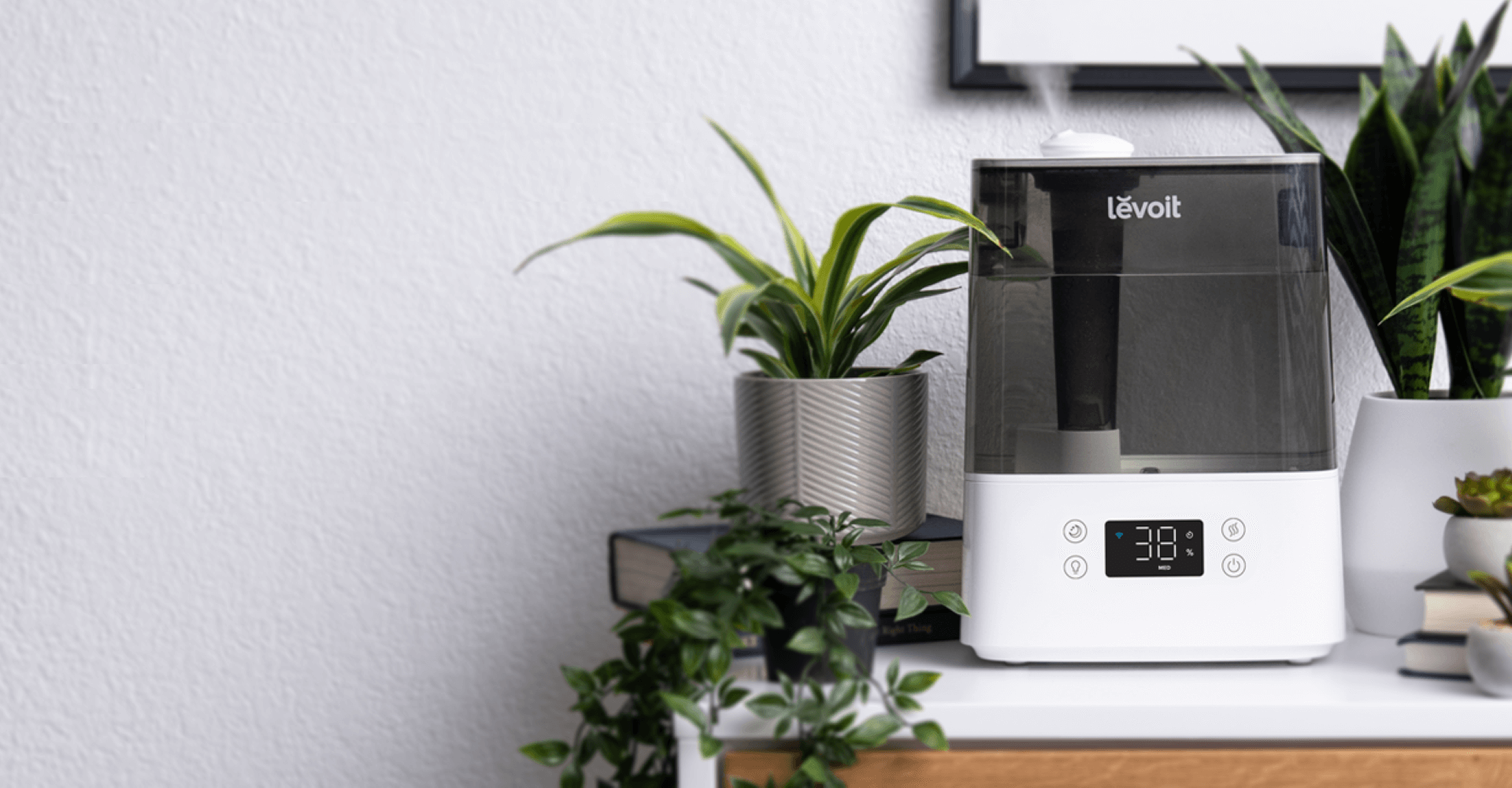
The Power Behind the Mist: Different Humidifiers, Different Appetites
Not all humidifiers are created equal, especially when it comes to their energy consumption. The technology inside the machine is the single biggest factor determining its power draw. Think of it like cars: a small electric city car uses far less energy than a giant V8 truck, but they both get you from A to B.
Let’s look at the main types you’ll find on the market.
Ultrasonic Humidifiers: The Energy Sipper
This is by far the most popular type today, and for good reason.
- How it works: An ultrasonic humidifier uses a small ceramic diaphragm vibrating at an ultrasonic frequency (faster than we can hear) to break water into an ultra-fine, cool mist. There’s no boiling, no heating element.
- Power Usage: These are the champions of energy efficiency. Most ultrasonic models use between 20 and 30 watts of power.
- The Analogy: Think of it like charging your smartphone. It’s a constant, low-level draw of electricity that you’ll barely notice on your monthly bill.
I personally use an ultrasonic model in my bedroom. The near-silent operation and incredibly low running cost make it perfect for getting a good night’s sleep without any lingering anxiety about the electricity meter.
Evaporative Humidifiers: The Gentle Breeze
Evaporative humidifiers are another classic and effective option.
- How it works: This type uses a fan to blow air through a moistened wick or filter. The air picks up moisture as it passes through, which is then released into your room.
- Power Usage: The primary power consumer here is the fan. Depending on the fan’s size and speed setting, these typically use between 50 and 100 watts.
- The Analogy: The power consumption is similar to running a small desk fan. If you’re comfortable with that, you’ll be comfortable with an evaporative humidifier.
Warm Mist Humidifiers (Vaporizers): The Power-Hungry Comforter
These are the workhorses, especially popular for soothing coughs and congestion.
- How it works: Just like boiling a kettle, a warm mist humidifier uses an internal heating element to boil water and release a warm, comforting steam into the air.
- Power Usage: That heating process requires significantly more energy. A warm mist humidifier can use anywhere from 250 to 400 watts, sometimes more.
- The Analogy: Its energy use is comparable to a small coffee maker or an electric kettle. You’ll use it when you need it, but you probably wouldn’t leave it running 24/7.
As Dr. Eleanor Vance, an indoor air quality specialist, often notes, “While warm mist units provide excellent relief for respiratory symptoms, their energy profile is something to consider. For general, all-day humidity control, ultrasonic and evaporative models are far more economical.”
So, How Much Electricity Does a Humidifier Use in Dollars and Cents?
Okay, watts are great, but what does this mean for your wallet? Let’s do some simple math. To calculate the cost, you need three things:
- The humidifier’s wattage.
- How many hours you run it per day.
- The price of electricity in your area (per kilowatt-hour, or kWh).
The average cost of electricity in the U.S. is around $0.17 per kWh. We’ll use that for our example.
The Formula: (Wattage / 1000) x Hours of Use x Cost per kWh = Daily Cost
Let’s run the numbers for an ultrasonic humidifier (30 watts) running for 10 hours overnight:
- (30 watts / 1000) = 0.03 kW
- 0.03 kW x 10 hours = 0.3 kWh per day
- 0.3 kWh x $0.17/kWh = $0.051 per day
That’s just over 5 cents a day. Over a 30-day month, you’re looking at around $1.53. That’s less than a single cup of coffee from a cafe.
Now, let’s compare that to a warm mist humidifier (300 watts) for the same 10 hours:
- (300 watts / 1000) = 0.3 kW
- 0.3 kW x 10 hours = 3 kWh per day
- 3 kWh x $0.17/kWh = $0.51 per day
That’s about $15.30 per month. It’s a noticeable difference, which is why choosing the right type for your needs is so important.
Humidifier Energy Use Comparison Table
| Humidifier Type | Typical Wattage | Cost (10 hrs/day) | Best For |
|---|---|---|---|
| Ultrasonic (Cool Mist) | 20-30 W | ~$1.50 / month | General use, bedrooms, energy savings |
| Evaporative | 50-100 W | ~$4.00 / month | Larger spaces, self-regulating |
| Warm Mist (Vaporizer) | 250-400 W | ~$15.00 / month | Soothing cold/flu symptoms, slightly warming a room |
How to Squeeze Every Drop of Efficiency From Your Humidifier
Want to keep your running costs as low as possible? Of course, you do! Here are a few pro tips from us at Humidifier Go to maximize efficiency and minimize your energy bill.
- Use the Humidistat: Many modern humidifiers have a built-in humidistat. This is your best friend. Set it to your desired humidity level (the EPA recommends between 40-60%). The machine will automatically shut off when it reaches that level and turn back on when needed, preventing it from running needlessly.
- Close Doors and Windows: This one seems obvious, but it’s crucial. You’re trying to humidify a specific room, not the entire neighborhood. Closing the door traps the moisture, allowing the humidifier to do its job faster and shut off sooner.
- Choose the Right Size: Using a tiny humidifier in a huge living room is like trying to cool a warehouse with a desk fan. It will run constantly without ever reaching the target humidity. Conversely, an oversized unit might make the room feel damp too quickly. Match the unit’s capacity to your room size.
- Keep It Clean: A humidifier with a clogged filter or mineral buildup has to work harder to produce mist, which uses more energy. Follow a regular cleaning schedule (we recommend a light clean weekly and a deep clean monthly) to keep it running smoothly.
How often should I clean my humidifier?
You should rinse and refill your humidifier with fresh water daily. A more thorough cleaning with a vinegar solution to remove mineral scale should be done at least once a week. This prevents mold and bacteria growth and ensures the unit operates efficiently.
Frequently Asked Questions
Here are some of the most common questions we get at Humidifier Go.
1. Is it expensive to run a humidifier all night?
No, it is generally very inexpensive, especially if you use an energy-efficient ultrasonic model. As we calculated, running an ultrasonic unit for 10 hours overnight can cost as little as 5 cents, or under $2.00 per month.
2. Which type of humidifier is the most energy-efficient?
Ultrasonic cool mist humidifiers are by far the most energy-efficient. They use a tiny amount of power to vibrate a diaphragm instead of using a powerful fan or a heating element, making them the most economical choice for long-term use.
3. Does a bigger humidifier use more electricity?
Generally, yes. A humidifier designed for a large room will have a larger water tank and a more powerful fan or misting mechanism, which will draw more watts than a small, personal-sized unit. However, using the correctly sized unit is more efficient than running a small one on full blast 24/7.
4. Can a humidifier make my electric bill go up?
Yes, any appliance that uses electricity will increase your bill. However, the impact of a humidifier, particularly an ultrasonic one, is very minimal. It’s often comparable to leaving a small lamp on or charging your laptop. The comfort and health benefits typically far outweigh the small monthly cost.
5. Does using the warm mist setting on an ultrasonic humidifier use more power?
Yes. Some ultrasonic models come with an optional pre-heating feature to create a warm mist. This function activates a small heating element, which will increase the wattage and electricity consumption, putting it somewhere between a standard cool-mist and a full vaporizer.
The Final Word on Humidifier Energy Use
So, let’s circle back to our main question: how much electricity does a humidifier use? As you can see, the answer is “very little,” especially when you choose a modern, efficient model. For just a few dollars a month, you can combat the negative effects of dry air, leading to better sleep, healthier skin, and easier breathing.
When you weigh that small investment against the significant improvements in your home’s air quality and your family’s well-being, it’s clear that a humidifier isn’t an energy drain—it’s a valuable addition to a healthy and comfortable home. Now you can go ahead and enjoy that soothing mist, confident that it’s not breaking the bank.