Tired of that dry, scratchy feeling that takes over your home every winter? The constant static shocks, the itchy skin, the feeling that you can never quite get comfortable? You’re not alone. When the air in our homes loses its moisture, it can impact everything from our health to our hardwood floors. That’s where finding the Best Whole House Humidifier becomes less of a luxury and more of a necessity for creating a truly comfortable and healthy living environment. It’s the unsung hero of home appliances, working silently behind the scenes to restore balance to your indoor air quality.
I remember the first winter I truly understood the difference. My prized wooden guitar started developing sharp fret ends, my sinuses were constantly irritated, and my sleep was suffering. A portable unit helped one room, but the rest of the house was still an arid desert. Making the switch to a whole-home solution changed everything, and that’s the experience I want to help you achieve. Let’s dive into the world of whole-home humidity and find the perfect fit for you.
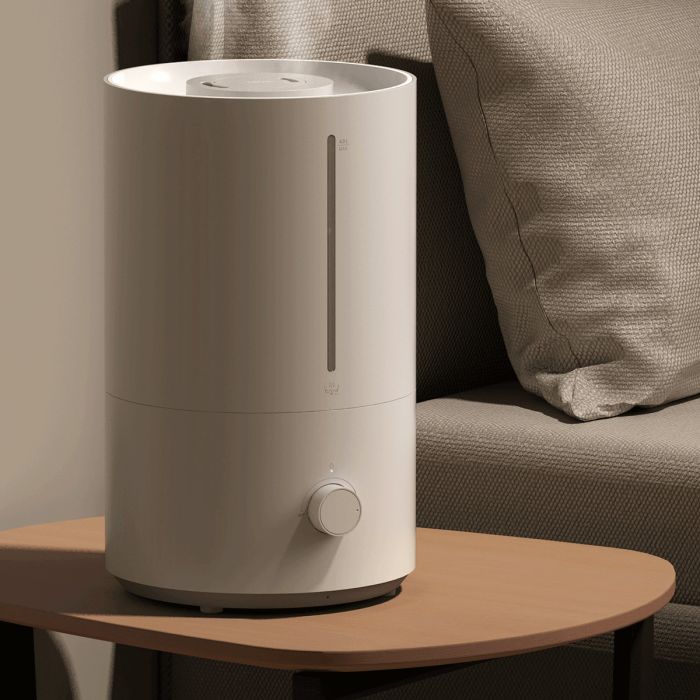
Why Your Entire Home is Thirsty for a Humidifier
Before we get into the nuts and bolts of different models, let’s talk about why this matters so much. A portable humidifier is great for a bedroom or a small office, but it’s like trying to water a garden with a teacup. A whole house unit integrates with your HVAC system to deliver consistent, balanced humidity to every corner of your home.
Here are the game-changing benefits:
- Breathe Easier, Sleep Better: Optimal humidity (between 40-60%) helps keep your nasal passages and throat moist. This can reduce snoring, soothe allergy and asthma symptoms, and even help you fend off colds and the flu, as viruses don’t travel as easily in moist air.
- Healthier Skin and Hair: Say goodbye to dry, flaky skin and brittle hair. Proper humidity helps your body’s largest organ stay hydrated from the inside out.
- Protect Your Home’s Integrity: Dry air pulls moisture from everything. This can cause hardwood floors to gap, wooden furniture and instruments to crack, and even wallpaper to peel. A humidifier protects these valuable investments.
- Increased Comfort and Energy Savings: Moist air feels warmer than dry air. By maintaining proper humidity, you can often lower your thermostat by a degree or two and feel just as comfortable, saving you real money on your heating bills.
- No More Static Shock: Eliminate those annoying zaps every time you touch a doorknob or pet your cat.
The Main Players: Types of Whole House Humidifiers
When you start shopping for the best whole house humidifier, you’ll quickly notice there are three primary technologies. Understanding how they work is key to choosing the right one for your home and lifestyle.
| Feature | Bypass Humidifier | Fan-Powered Humidifier | Steam Humidifier |
|---|---|---|---|
| How it Works | Uses the furnace’s blower to pass air over a water panel. | Has its own fan to blow air over a water panel, independent of the furnace. | Boils water to create steam, which is injected directly into the ductwork. |
| Pros | Most affordable, low energy use, simple maintenance. | More efficient than bypass, can run without the heat on. | Fastest and most powerful, very precise humidity control, cleanest moisture (steam is sterile). |
| Cons | Only runs when the furnace is on, requires a bypass duct. | Uses more electricity and water, can be noisier. | Most expensive option, highest energy consumption, more complex installation. |
| Best For | Budget-conscious homeowners in moderate climates. | Homes needing more humidity output or those with heat pumps. | Large homes, dry climates, or those needing precise control (e.g., for instruments or art). |
Bypass Humidifiers: The Reliable Workhorse
Think of a bypass unit as a clever partner to your furnace. It diverts a bit of warm air from your supply duct, pushes it through a water-saturated pad, and then feeds that newly humidified air back into your system. They’re simple, effective, and have been a trusted solution for decades.
Fan-Powered Humidifiers: A Step Up in Power
A fan-powered unit is like a bypass model with its own engine. It has an internal fan that actively blows air across the water pad, allowing it to produce more moisture and operate even when your furnace’s heat cycle isn’t running. This makes it a great choice for larger homes or those with HVAC systems like heat pumps that produce lower-temperature air.
Steam Humidifiers: The Ultimate Performance
For a no-compromise solution, look no further than steam. These units are the heavyweights of home humidification. They essentially have an internal reservoir that boils water to create pure, sterile steam. This steam is then piped directly into your ductwork for immediate and powerful distribution. While they have the highest upfront cost and energy use, nothing matches their speed and precision.
Bảng trống.How to Choose the Best Whole House Humidifier for You
Choosing the right unit isn’t a one-size-fits-all deal. It’s about matching the technology to your specific needs. Let’s walk through the key decision factors.
What’s the Square Footage of Your Home?
This is the most critical factor. Humidifiers are rated by their output, measured in Gallons Per Day (GPD).
- Small to Medium Homes (Up to 2,500 sq. ft.): A quality bypass or fan-powered unit with a GPD of 12-17 is often sufficient.
- Large Homes (2,500 – 4,000+ sq. ft.): You’ll want to look at high-output fan-powered models or consider a steam humidifier, especially if your home has high ceilings or a very open floor plan. A unit with a GPD of 18 or more is ideal.
What Is Your Local Climate Like?
If you live in a place with bitterly cold, dry winters like Minnesota or Colorado, your humidity needs will be far greater than someone in a milder, more temperate climate. For extremely arid regions, a steam humidifier is often the best whole house humidifier because it can keep up with the constant demand.
Your HVAC System Matters
The type of heating and cooling system you have can influence your choice.
- Forced-Air Furnaces: Compatible with all three types (bypass, fan-powered, steam).
- Heat Pumps: Because they produce air at a lower temperature, fan-powered or steam humidifiers are generally more effective than bypass models.
How Much Maintenance Are You Willing to Do?
Let’s be real: maintenance is part of the deal. All whole house humidifiers require at least an annual check-up.
- Replace the Water Panel (or Canister): For bypass and fan-powered models, the evaporator panel (or “water pad”) needs to be replaced at least once a year. This is where mineral deposits build up. For steam units, you’ll replace a steam canister.
- Clean the System: Annually, you should clean the unit’s interior and ensure the drain line is clear of any blockages.
- Check for Leaks: A quick visual inspection every few months is always a good idea.
As Dr. Eleanor Vance, an indoor air quality specialist, often states, “An unmaintained humidifier can be worse than no humidifier at all. Regular cleaning is non-negotiable to prevent the growth of mold and bacteria, ensuring the moisture you add to your air is clean and healthy.”
Frequently Asked Questions (FAQ)
What is the ideal humidity level for a home?
The ideal indoor humidity level is generally between 40% and 60%. This range is comfortable for people, helps prevent the growth of mold and mildew, and is safe for wooden furniture and floors. A good whole house humidifier will come with a humidistat to automatically maintain this level.
Can a whole house humidifier cause mold?
Yes, if it’s not used properly. Setting the humidity level too high (above 60%) can create condensation on windows and walls, leading to potential mold growth. This is why a quality humidistat is crucial. It’s also vital to follow the maintenance guidelines from a trusted source like the EPA to ensure clean operation.
How much does it cost to install a whole house humidifier?
Installation costs can vary widely depending on the type of unit, your existing HVAC setup, and local labor rates. A simple bypass unit might cost a few hundred dollars to install, while a more complex steam system could be significantly more. Always get a quote from a qualified HVAC professional.
Should I use hard water or soft water in my humidifier?
Using softened or, ideally, filtered water is best for your humidifier. Hard water contains minerals like calcium and magnesium that can build up on the water panel and inside the unit, reducing its efficiency and requiring more frequent cleaning. This mineral dust can sometimes be distributed through your vents.
Can I install a whole house humidifier myself?
While some experienced DIYers may tackle the installation of a bypass unit, it’s generally recommended to have it professionally installed. This is especially true for fan-powered and steam models. An HVAC technician will ensure it’s installed correctly, wired safely, and integrated properly with your system for optimal performance.
The Final Word on a More Comfortable Home
Choosing the best whole house humidifier is a significant step toward improving your home’s health and your family’s well-being. It’s an investment that pays dividends in comfort, protects your property, and can even lower your energy bills. By understanding the different types available and assessing your home’s unique needs, you can move beyond simply treating the symptoms of dry air in one room and create a balanced, comfortable environment throughout your entire living space.
Here at Humidifier Go, we believe everyone deserves to breathe clean, comfortable air. We hope this guide has empowered you to find the perfect solution. Take the leap, and get ready to say goodbye to dry winters for good.