Have you ever woken up with that scratchy, dry-as-a-desert feeling in your throat? Or noticed your skin feels tight and your wooden furniture is starting to look a little sad? That’s your home’s cry for help, signaling that the air is too dry. A quality humidifier is the hero your home needs, but figuring out the Best Time To Buy A Humidifier can feel like a guessing game. Is it when you’re already shivering in winter, or is there a smarter, more strategic time to shop?
As the voice of Humidifier Go, I’ve spent years helping people reclaim their indoor comfort. I used to battle through every winter with a persistent cough and irritated sinuses until I truly understood the power of balanced humidity. The secret isn’t just which humidifier you buy, but when you buy it. Let’s dive in and uncover the perfect moments to invest in your home’s air quality, saving you money and hassle along the way.
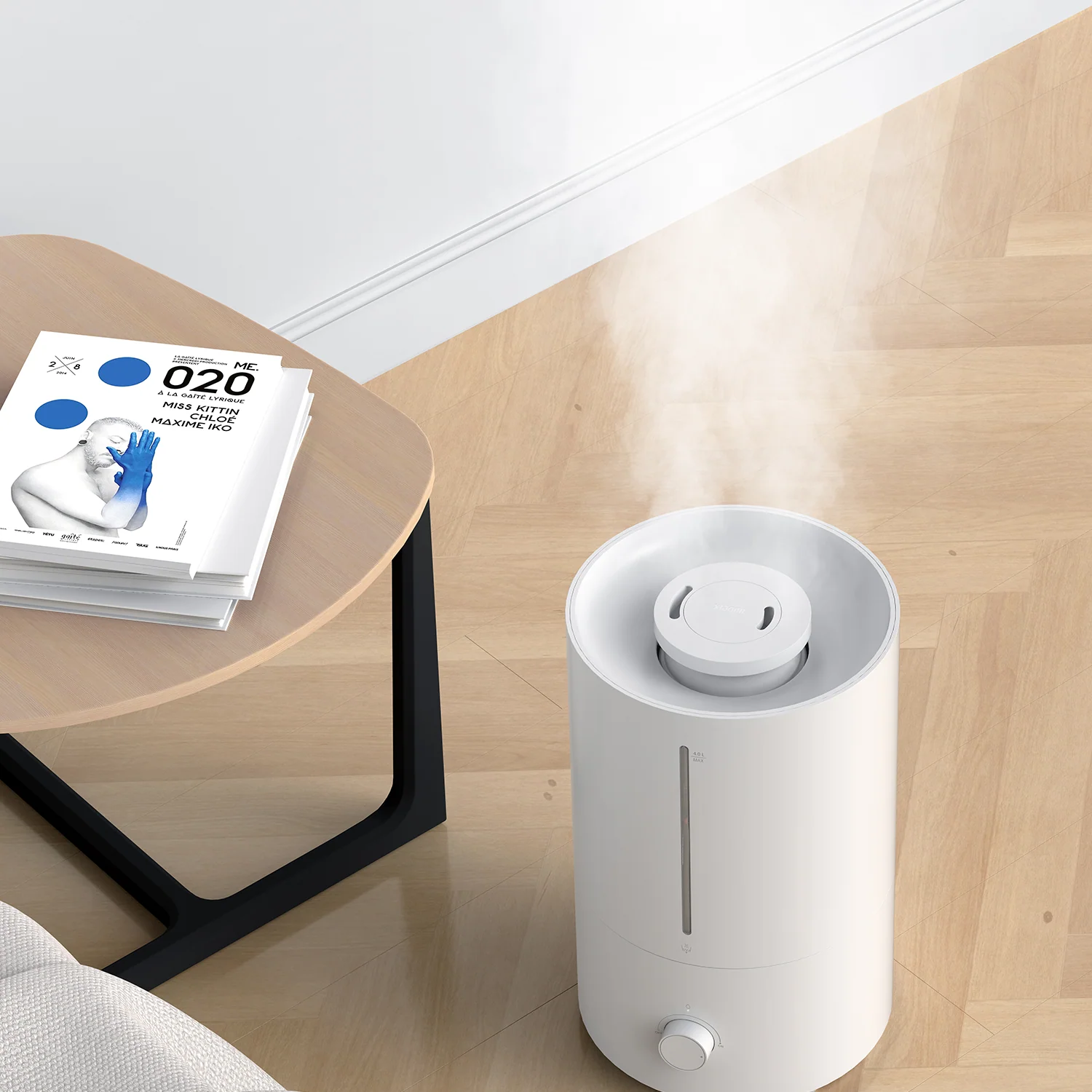
Why a Humidifier is a Non-Negotiable Home Appliance
Before we talk timing, let’s quickly touch on why this little machine is such a game-changer. It’s not just about comfort; it’s about health and protecting your home. A humidifier works by adding a fine mist of water into the air, bringing your home’s relative humidity to the ideal level of 40-60%.
The benefits are immediate and far-reaching:
- Breathe Easier: Properly humidified air soothes your nasal passages and throat, reducing congestion, coughs, and even snoring. It can be a lifesaver during cold and flu season.
- Healthier Skin and Hair: Say goodbye to dry, itchy skin, chapped lips, and frizzy hair. Moisture in the air helps keep your body hydrated from the outside in.
- Protect Your Home: Dry air leeches moisture from wood floors, furniture, and musical instruments, causing them to crack and warp. A humidifier protects these valuable investments.
- Better Sleep: By reducing snoring and soothing airways, a humidifier can contribute to a deeper, more restful night’s sleep for everyone in the family.
- Happier Houseplants: Many popular houseplants thrive in more humid conditions. Your leafy friends will thank you!
A Quick Look at Humidifier Types
Not all humidifiers are created equal. Understanding the basic types will help you know what to look for when the time is right.
| Type | How It Works | Pros | Cons |
|---|---|---|---|
| Ultrasonic | Uses high-frequency vibrations to create a fine, cool mist. | Very quiet, energy-efficient, no filters to replace. | Can leave a “white dust” if using hard water. |
| Evaporative | A fan blows air through a wet wick filter, releasing vapor. | Self-regulating, won’t over-humidify, no white dust. | Can be noisier, requires regular filter replacement. |
| Warm Mist | Boils water to create a warm, soothing steam. | Kills waterborne bacteria, great for colds/congestion. | Uses more energy, can be a burn risk for kids/pets. |
So, What Is the Best Time to Buy a Humidifier?
Alright, let’s get to the main event. Timing is everything. You can break down the buying calendar into three key periods, each with its own pros and cons.
The Obvious Time: Fall and Winter (Peak Season)
This is when most people realize they need a humidifier. The heat kicks on, the air dries out, and the discomfort begins.
- Pros: You’ll find the widest selection of the latest models in every store. Retailers are fully stocked, and you can easily compare features on ultrasonic, evaporative, and warm mist units.
- Cons: This is classic supply and demand. With everyone buying, prices are at their highest. You’ll be paying full retail, and popular models might even sell out during a cold snap.
The verdict: If you’re in desperate need, this is when you’ll have to buy. But if you can plan ahead, you can do better.
The Smart Time: Spring and Summer (Off-Season)
Think of this like buying a winter coat in July. It might feel strange, but your wallet will love you for it. As demand plummets, retailers are eager to clear out last season’s inventory.
- Pros: Deals, deals, deals! This is when you’ll find the steepest discounts and clearance sales. You can often snag a high-end model for the price of a budget one.
- Cons: The selection will be limited. You might not find the exact model you were eyeing in December, so a bit of flexibility is key.
The verdict: For savvy shoppers who plan ahead, late spring and early summer are hands-down the best time to buy a humidifier for maximum savings.
The Strategic Time: Major Sales Events
Don’t forget about the big retail holidays. These can be fantastic opportunities to get a great deal, even during peak season.
- Black Friday & Cyber Monday: These late-fall shopping events are perfectly timed for the start of the dry season. Retailers often offer significant doorbuster deals on home appliances, including humidifiers.
- Amazon Prime Day: Typically held in the summer, this is another prime opportunity (pun intended) to find off-season pricing on a huge variety of models.
- End-of-Season Sales: Look for sales around February and March as retailers start transitioning their floor space for spring and summer products.
Dr. Eleanor Vance, an indoor air quality specialist, notes, “I advise my clients to think about their air quality needs year-round. Purchasing a humidifier during an off-season sale not only saves money but ensures you’re prepared before the dry air begins to impact your respiratory health.”
How Do I Choose the Right Humidifier When I’m Ready to Buy?
Once you’ve picked the perfect time, you need to pick the perfect machine. It’s simpler than you think. Focus on these three things.
1. Match the Size to Your Room
Humidifiers are rated for specific room sizes. Using a small unit in a large master bedroom won’t be effective, and an oversized one in a small office could lead to condensation. Check the packaging for the recommended square footage.
2. Consider Must-Have Features
- Humidistat: An absolute must-have. This feature automatically turns the unit on and off to maintain your desired humidity level, preventing the air from becoming too damp.
- Auto-Shutoff: A crucial safety feature that turns the machine off when the water tank is empty.
- Ease of Cleaning: Look for models with large tank openings and minimal hard-to-reach crevices. A clean humidifier is a healthy humidifier.
- Noise Level: If you’re a light sleeper, an ultra-quiet ultrasonic model is your best bet for the bedroom.
3. Cool Mist vs. Warm Mist: Which is Better?
This is a common question. A cool mist humidifier is generally the safest and most popular choice, especially for homes with children or pets, as there is no heating element. They are also better for larger areas. A warm mist humidifier is excellent for smaller rooms and can feel particularly soothing when you have a cold, but it requires more careful placement. For most year-round applications, we recommend a cool mist model.
Keeping Your Humidifier in Tip-Top Shape
Your new humidifier will be your best friend, but only if you treat it right. Proper maintenance is essential for performance and health. According to the U.S. Environmental Protection Agency (EPA), a dirty tank can become a breeding ground for bacteria and mold.
Here is a simple cleaning checklist:
- Daily: Empty the tank, rinse it thoroughly, and wipe it dry before refilling. Always use fresh water.
- Every 3 Days (or as recommended): Unplug the unit and perform a deeper clean.
- Disinfect: Fill the tank with a solution of water and white vinegar. Let it sit for 20-30 minutes to dissolve mineral buildup (that “white dust”).
- Rinse: Thoroughly rinse all parts to remove the vinegar solution.
- Dry: Allow all components to air dry completely before reassembling.
Frequently Asked Questions (FAQ)
What is the ideal humidity level for a home?
The ideal indoor humidity level is between 40% and 60%. Below 30% is too dry, leading to discomfort. Above 60% can encourage mold growth. A model with a built-in humidistat makes maintaining this balance effortless.
Can I use tap water in my humidifier?
You can, but it’s not always ideal. Tap water, especially hard water, contains minerals that can be released as “white dust” by ultrasonic models and build up inside the machine. Using distilled or demineralized water is the best way to prevent this and extend the life of your unit.
How often should I clean my humidifier?
It’s best practice to rinse the tank daily and do a thorough cleaning with vinegar at least once a week, or more often if it’s in constant use. This prevents the growth of any harmful bacteria or mold.
Does a humidifier really help with allergies?
Yes, it can. By keeping your nasal passages moist, a humidifier helps your body trap and expel allergens more effectively. It can also help soothe irritation caused by allergic reactions.
Where is the best place to put a humidifier?
Place it on a flat, water-resistant surface at least a few feet away from your bed, wooden furniture, and walls. This allows the mist to disperse evenly into the air rather than settling on one surface.
Your Final Takeaway
While the immediate need for a humidifier hits in the fall and winter, the truly best time to buy a humidifier is during the off-season of spring and summer or during major sales events like Black Friday. By planning ahead, you can secure a top-tier machine that improves your health and protects your home, all while scoring a fantastic deal.
Now that you’re armed with this insider knowledge, you can shop smart and breathe easy all year long. Don’t wait for that first dry-throated morning—start looking for your perfect air quality partner today.