Ever wake up with a throat that feels like sandpaper or skin that’s uncomfortably tight? I’ve been there. For years, I just accepted that dry winter air was a fact of life, until I discovered what a game-changer the right humidifier could be. Getting the right one, however, isn’t as simple as grabbing the first box off the shelf. That’s why we at Humidifier Go have put together the definitive Humidifier For Bedroom Size Guide. Picking the right size is the single most important step to transforming your bedroom from a dry desert into a healthy, comfortable oasis. Let’s dive in and find the perfect match for your space, so you can start breathing, sleeping, and feeling better.
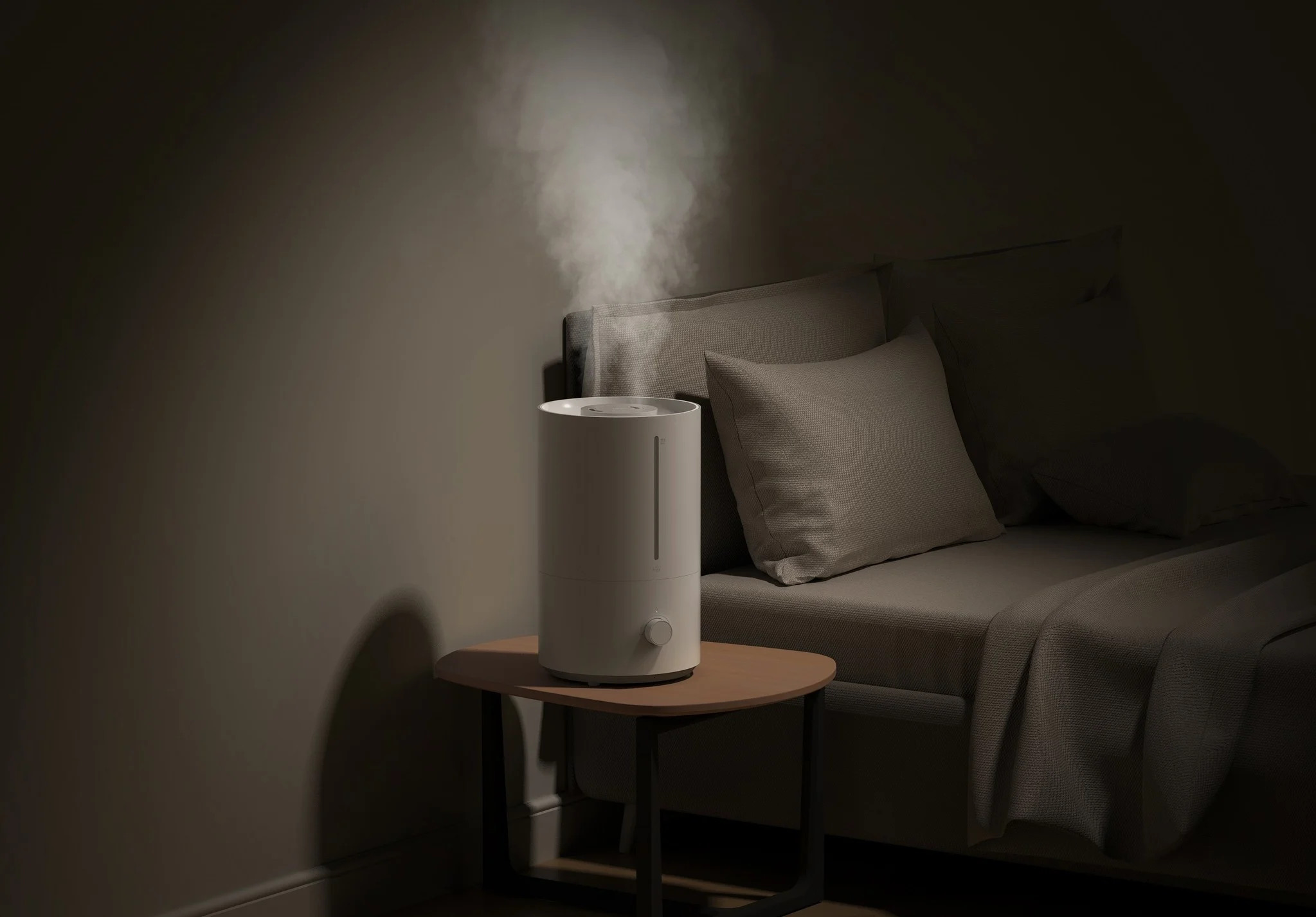
Why Your Bedroom is Begging for a Humidifier
Before we get into the nitty-gritty of sizing, let’s talk about why this matters so much. When the air in your bedroom is too dry (typically below 40% relative humidity), it can quietly wreak havoc on your well-being. A properly humidified room isn’t a luxury; it’s a cornerstone of a healthy home environment.
Here are just a few of the benefits you can expect:
- Better, More Restful Sleep: Moist air can help soothe your airways, reducing snoring and preventing you from waking up with a dry mouth or nose.
- Healthier Skin and Hair: Say goodbye to chapped lips and dry, itchy skin. Proper humidity helps your skin retain its natural moisture.
- Respiratory Relief: Humidifiers can ease symptoms of colds, allergies, and sinus infections by keeping your nasal passages and throat moist.
- Reduced Spread of Airborne Viruses: Some studies suggest that viruses, like the flu, don’t travel as easily in properly humidified air.
- Protects Your Home: Dry air can damage wood furniture, floors, and even musical instruments by causing them to crack or warp.
Decoding the Tech: Common Types of Humidifiers
The world of humidifiers is filled with different technologies, each with its own pros and cons. Understanding them is key to making an informed choice.
Ultrasonic Humidifiers
These are incredibly popular and for good reason. They use high-frequency vibrations to break water droplets into a super-fine, visible cool mist.
- Pros: Extremely quiet (often near-silent), energy-efficient, and generally filter-free, which means lower running costs.
- Cons: Can produce a fine “white dust” (mineral deposits from tap water) if you don’t use distilled or demineralized water.
Evaporative Humidifiers
These devices are the workhorses of the humidifier world. They use a fan to draw dry air through a wet wick filter, releasing moisture into the air through natural evaporation.
- Pros: Self-regulating (they won’t over-humidify a room), and the filter traps minerals, so there’s no white dust.
- Cons: The fan can be noisy, and you’ll need to replace the wick filter periodically to prevent mold and bacteria growth.
Warm Mist Humidifiers (Vaporizers)
These are the classic models. They use a heating element to boil water, releasing a warm, soothing steam into the room.
- Pros: The boiling process kills waterborne bacteria and mold. The warm mist can feel especially comforting during a cold or flu.
- Cons: Uses more energy than other types and can be a burn risk for children or pets, making placement critical.
The Main Event: Your Humidifier for Bedroom Size Guide
Alright, this is where we match your room to the right machine. Using a humidifier that’s too small will be ineffective, while one that’s too large can lead to condensation on windows and even mold growth. The key is balance.
First, How to Quickly Measure Your Bedroom
Don’t worry, you don’t need to be an architect. Just measure the length and width of your room in feet and multiply them. For example, a 12-foot by 15-foot room is 180 square feet. This simple number is your starting point.
Small Bedrooms & Nurseries (Up to 300 sq. ft.)
This category includes most standard bedrooms, nurseries, or home offices. For a space this size, you’re looking for a small or personal humidifier.
- Recommended Tank Size: Around 0.5 to 1 gallon.
- What to Look For: A compact, tabletop model that can run for at least 8-10 hours on one fill (enough to get you through the night). Ultrasonic models are perfect here due to their silent operation, which is ideal for light sleepers and babies.
Medium Bedrooms & Master Bedrooms (300 – 500 sq. ft.)
This is your typical master bedroom or a larger living space. Here, a small unit will struggle to keep up. You need a medium or room humidifier.
- Recommended Tank Size: 1 to 2 gallons.
- What to Look For: Look for models with a larger tank capacity to avoid constant refills. Features like an adjustable mist output and a built-in humidistat become much more important in this size range to maintain that perfect 40-60% humidity level without overdoing it.
Large Master Suites & Open-Concept Spaces (Over 500 sq. ft.)
If you have a very large master bedroom, a studio apartment, or a space that opens into another room, you’ll need a more powerful solution.
- Recommended Tank Size: 2+ gallons, or consider a console unit.
- What to Look For: A large-capacity console humidifier is your best bet. These floor-standing units can humidify much larger areas and often have tanks that can last for 24 hours or more. While bigger, they are designed to handle the heavy lifting for a significant space.
As Dr. Lena Hansen, a respiratory health specialist, often advises, “Choosing a humidifier shouldn’t be a guessing game. An undersized unit is a waste of energy, and an oversized one can create a new set of problems. Sizing it correctly to your room is the first and most critical step toward improving your indoor air quality.”
How to Keep Your Humidifier Happy and Healthy
Buying the right humidifier is only half the battle. Proper maintenance is non-negotiable for ensuring the air you’re breathing is clean and healthy. A dirty humidifier can become a breeding ground for mold and bacteria.
How often should I clean my humidifier?
You should aim to clean your humidifier every 3 days. This might sound like a lot, but a quick rinse and wipe-down is often enough for daily maintenance. A deeper, more thorough disinfection with vinegar or a manufacturer-recommended solution should be done weekly.
Your Weekly Cleaning Checklist:
- Unplug and Disassemble: Always unplug the unit first. Empty the tank and take apart any removable pieces.
- Descale with Vinegar: Fill the base and/or tank with a solution of one part white vinegar to one part water. Let it sit for at least 30-60 minutes to dissolve any mineral buildup.
- Scrub and Rinse: Use a small brush (an old toothbrush works great) to gently scrub any stubborn spots. Rinse all parts thoroughly with clean water to remove the vinegar solution and any loosened deposits.
- Disinfect (Optional but Recommended): Following the manufacturer’s instructions, you can use a diluted bleach solution or hydrogen peroxide to disinfect the components. Rinse, rinse, and rinse again to ensure no chemicals are left behind.
- Air Dry and Reassemble: Let all the parts air dry completely before putting the unit back together. This is a crucial step to prevent mold growth.
What kind of water should I use in my humidifier?
For ultrasonic and warm mist humidifiers, distilled or demineralized water is highly recommended. Tap water contains minerals that can be dispersed into the air as fine white dust, which can settle on furniture and be inhaled. Evaporative humidifiers are more forgiving since their wicks trap these minerals, but using distilled water will still extend the life of your filter.
Frequently Asked Questions
Where is the best place to put a humidifier in a bedroom?
Place it on a flat, water-resistant surface at least two feet off the ground, like a dresser or nightstand. Keep it several feet away from walls, furniture, and electronics to allow for proper air circulation and prevent condensation damage. Never place it directly on a carpeted floor.
Can a humidifier be too big for a room?
Absolutely. An oversized humidifier can raise the humidity level above 60%, creating a damp environment that encourages the growth of mold, mildew, and dust mites. This is why a built-in humidistat or a separate hygrometer is so important for monitoring your room’s conditions.
Is cool mist or warm mist better for a bedroom?
It’s largely a matter of personal preference. Cool mist is generally considered safer for homes with children and pets and is slightly more energy-efficient. Warm mist can feel more comforting in the winter and helps kill germs in the water tank, but it requires more careful placement.
How do I know if my bedroom humidity is at the right level?
The best way is to use a hygrometer, a simple device that measures humidity. Many modern humidifiers have one built-in. The ideal indoor humidity level is between 40% and 60%. If you see condensation forming on your windows, the humidity is likely too high.
Does a humidifier really help with allergies?
Yes, it can. By keeping your nasal passages moist, a humidifier can help your body trap and expel airborne allergens more effectively. It can also help soothe irritation caused by allergic rhinitis. However, it’s crucial to keep the unit clean to avoid dispersing mold or bacteria, which can trigger allergies.
Your Sanctuary Awaits
Choosing the right appliance can feel overwhelming, but it doesn’t have to be. By understanding your needs and the space you live in, you can confidently select the perfect machine. This humidifier for bedroom size guide is designed to empower you to take control of your indoor environment, turning your bedroom into the true sanctuary of health and rest it was meant to be. Now, go enjoy that fresh, clean, and perfectly humidified air. You deserve it.