Let’s be honest, we’ve all been there. You wake up in the middle of a winter night with a throat that feels like sandpaper, chapped lips, and that annoying tickle in your nose. The culprit? Dry indoor air, a silent problem that wreaks havoc on our comfort and health. That’s where finding the Best Humidifier 2025 becomes not just a luxury, but a total game-changer for your home’s environment. For years, I struggled with the effects of dry air from my central heating until I truly understood the power of balanced humidity. It’s about more than just comfort; it’s about creating a healthier sanctuary for you and your family.
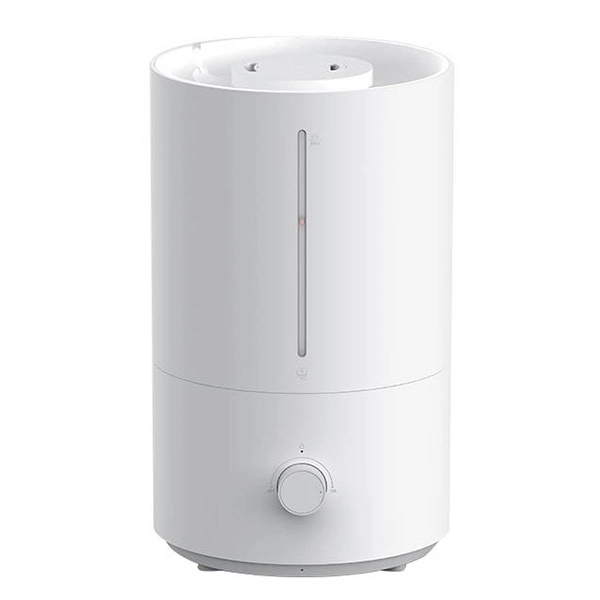
Why Your Home is Secretly Crying Out for a Humidifier
You might think a humidifier is just for when you have a cold, but its benefits extend far beyond a temporary stuffy nose. Maintaining an ideal indoor humidity level (experts recommend between 40% and 60%) can dramatically improve your quality of life.
Here’s the deal on why this simple home appliance is so essential:
- Soothes Your Respiratory System: Say goodbye to dry, itchy throats and nasal passages. Proper humidity helps keep your airways lubricated, which can reduce snoring and ease symptoms of allergies, asthma, and the common cold.
- Healthier Skin and Hair: Dry air pulls moisture from wherever it can find it—including your body. A humidifier helps your skin and hair retain their natural moisture, reducing dryness, flakiness, and static.
- Protects Your Home: That creaking floorboard? Those tiny cracks in your wooden furniture or musical instruments? Dry air is often to blame. A humidifier helps preserve the integrity of wood, preventing it from splitting and warping.
- Happier Houseplants: Many popular houseplants, especially tropical varieties, thrive in humid conditions. A humidifier can help your green friends flourish instead of just survive.
- Reduces Airborne Viruses: Some studies suggest that viruses, like the flu, have a harder time traveling and surviving in air with adequate humidity. It’s an extra layer of defense for your family’s health.
Decoding the Tech: The Different Types of Humidifiers
Navigating the world of humidifiers can feel a bit overwhelming with terms like “ultrasonic” and “evaporative” thrown around. But don’t worry, it’s simpler than it sounds. Let’s break down the main players.
Ultrasonic Humidifiers
Think of these as the modern, quiet achievers. They use a small, vibrating plate (a nebulizer) that moves at an ultrasonic frequency to break down water into an ultra-fine, cool mist.
- Pros: Extremely quiet, making them perfect for bedrooms and offices. They are generally filter-free and energy-efficient.
- Cons: They can produce a fine, white mineral dust if you use hard tap water. Using distilled or demineralized water is highly recommended to prevent this.
Evaporative Humidifiers
This is the classic, self-regulating workhorse. An evaporative humidifier uses a fan to blow air through a wet wick or filter. The air picks up moisture as it passes through, and the humidifier releases it into your room.
- Pros: They won’t over-humidify your room because the process slows down as the air becomes more saturated. They also filter out minerals from the water, so there’s no white dust.
- Cons: They can be noisier than ultrasonic models due to the fan. The wick filter needs to be replaced regularly to prevent mold and bacteria growth.
Warm Mist Humidifiers (Vaporizers)
These models boil water to create a soothing, warm steam that is released into the air. Think of it like a tiny, controlled teapot.
- Pros: The boiling process kills waterborne bacteria and mold, ensuring a pure mist. The warm mist can feel especially comforting during a cold or flu, helping to loosen congestion.
- Cons: They use more energy than other types and can be a burn risk for children and pets, so careful placement is crucial.
How to Choose the Best Humidifier 2025 for Your Space
Finding the right fit depends on your specific needs. It’s not a one-size-fits-all situation. Here’s what to consider to find your perfect match.
### What Size Humidifier Do I Need?
This is the most important question. A humidifier that’s too small won’t be effective, while one that’s too large can cause condensation and mold. Check the manufacturer’s recommendation, which is usually based on square footage.
- Small (Personal): Up to 300 sq. ft. Ideal for a small bedroom, nursery, or office cubicle.
- Medium (Room): 300 – 500 sq. ft. Perfect for most bedrooms, living rooms, or kitchens.
- Large (Whole-House): 500+ sq. ft. Designed for large, open-plan living areas or even to cover an entire small apartment.
Key Features to Look For
Modern humidifiers come with some seriously cool features that make life easier.
- Built-in Humidistat (Hygrometer): This is a must-have. It measures the humidity in the room and automatically turns the unit on and off to maintain your desired level. It’s a “set it and forget it” feature that prevents over-humidification.
- Adjustable Mist Levels: Gives you control over the amount of moisture being released.
- Auto-Shutoff: A critical safety feature that turns the unit off when the water tank is empty.
- Timer: Lets you program the humidifier to run for a set number of hours.
- Ease of Cleaning: Look for models with large tank openings and minimal hard-to-reach parts. Trust me, you’ll thank yourself later.
- Essential Oil Diffuser: Some models include a tray for essential oils, allowing you to add a pleasant aroma to the air.
Getting the Most Out of Your Humidifier: Use and Care
Buying the best humidifier 2025 is only half the battle. Using it correctly is key to reaping the benefits without any downsides.
Where Should I Place My Humidifier?
Place your humidifier on a flat, water-resistant surface at least a few feet off the ground. Keep it away from walls, curtains, and wooden furniture to prevent moisture damage. Also, ensure it’s not placed directly near a thermostat, as the cool mist can affect its readings.
What Kind of Water Should I Use?
For ultrasonic models, distilled or demineralized water is your best friend. It prevents the dreaded “white dust” (mineral deposits) from settling on your furniture. For evaporative models, tap water is usually fine since the filter catches the minerals.
How Often Should I Clean My Humidifier?
This is non-negotiable for a healthy home. A dirty humidifier can become a breeding ground for mold and bacteria, which it then sprays into your air.
According to the U.S. Environmental Protection Agency (EPA), it’s crucial to clean and disinfect your humidifier regularly, often as frequently as every three days, to ensure you’re dispersing clean, healthy moisture.
Here’s a simple cleaning checklist:
- Unplug the unit before you do anything. Safety first!
- Empty the tank and base of any remaining water.
- Descale with vinegar. Fill the tank with a solution of one part white vinegar and one part water. Let it sit for at least 30-60 minutes to dissolve any mineral buildup. Use a soft brush to gently scrub any stubborn spots.
- Rinse thoroughly. Rinse all parts with clean water until the vinegar smell is gone.
- Disinfect (optional but recommended). You can use a diluted bleach solution (about 1 teaspoon of bleach per gallon of water) or a 3% hydrogen peroxide solution. Let it sit for 10-15 minutes, then rinse extremely well.
- Air dry completely before reassembling and using.
An Expert’s Take on Air Quality
We spoke with Dr. Eleanor Vance, a board-certified allergist, about the impact of indoor humidity on respiratory health.
“Many of my patients see a significant reduction in allergy and asthma flare-ups when they maintain consistent, optimal humidity in their homes. Dry air irritates the mucous membranes, making us more susceptible to airborne allergens and viruses. A clean, well-maintained humidifier is one of the most effective, non-medicinal tools for creating a better breathing environment, especially during peak allergy seasons and dry winters.”
Frequently Asked Questions
Can a humidifier help with snoring?
Yes, it can! Snoring is often caused or worsened by dry air irritating the nasal passages and throat. By adding moisture to the air, a humidifier can help soothe these airways, potentially leading to quieter nights.
Is it okay to run a humidifier all night?
Absolutely. In fact, running it overnight is one of the best ways to improve sleep quality, especially if you tend to wake up with a dry mouth or stuffy nose. Just be sure to use a model with an auto-shutoff feature.
Cool mist or warm mist: which is better?
It’s mostly a matter of preference. Cool mist is generally considered safer for homes with children and pets and is slightly better for large rooms. Warm mist can feel more comforting in the winter and is great for combating cold symptoms, but requires more caution.
My humidifier is leaving a white dust on everything. What do I do?
This is a common issue with ultrasonic models using hard tap water. The “dust” is simply mineral residue. The best solution is to switch to using distilled or demineralized water.
Can a humidifier make my room feel colder?
A cool mist humidifier can slightly lower the perceived temperature in its immediate vicinity, which can be a nice bonus in the summer. A warm mist model, conversely, can make a small room feel a bit cozier in the winter.
The Takeaway: Breathe Better in 2025
Investing in your home’s air quality is one of the best things you can do for your overall health and well-being. From protecting your health to preserving your home, the benefits are undeniable. By understanding the different types, knowing what features to look for, and committing to proper maintenance, you can confidently choose the best humidifier 2025 to create a healthier, more comfortable living space. Now go on, take a deep breath—you deserve it.