Ever wake up with a scratchy throat, dry skin, or a nose that feels like the Sahara Desert? I’ve been there. For years, I just assumed that was a non-negotiable part of winter. That is, until I discovered the game-changing world of home humidifiers. Finding the Best Place To Buy A Humidifier isn’t just about a simple transaction; it’s the first step toward transforming your home’s environment, improving your respiratory health, and even helping your houseplants thrive. If you’re tired of static shocks and that constant feeling of dryness, you’ve come to the right place. Let’s dive into how you can reclaim your home’s air quality.
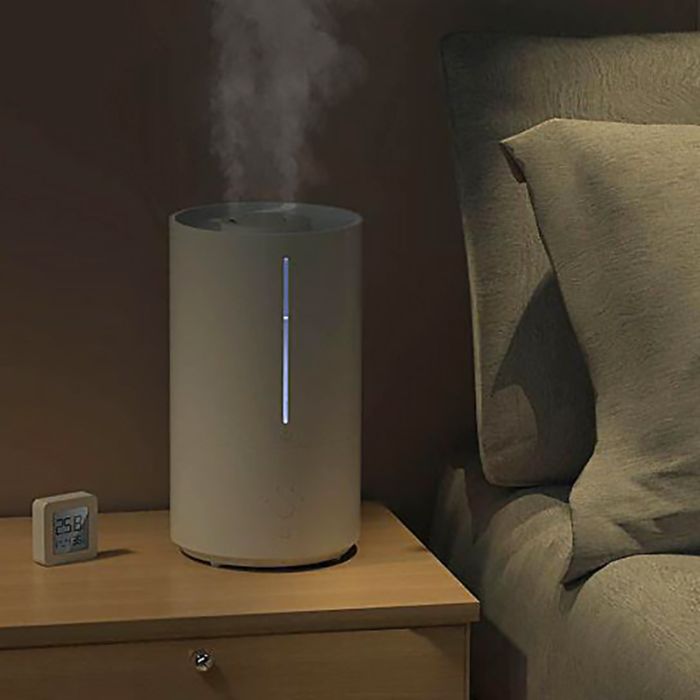
Why You Absolutely Need a Humidifier
Before we talk about where to shop, let’s quickly cover why this little home appliance is such a big deal. When the air in your home is too dry (typically below 40% relative humidity), it can cause a whole host of issues. A good humidifier is your first line of defense.
- Breathe Easier: Optimal humidity helps soothe irritated nasal passages, reducing congestion and the severity of cold and allergy symptoms.
- Healthier Skin and Hair: Say goodbye to chapped lips, dry skin, and brittle hair. Moist air helps keep everything hydrated.
- Protect Your Home: Dry air can wreak havoc on wood furniture, floors, and even musical instruments, causing them to crack or warp.
- Reduce Static Electricity: Tired of getting zapped every time you touch a doorknob? A humidifier puts a stop to that.
- A Better Night’s Sleep: By reducing snoring and soothing dry airways, a humidifier can lead to a more restful, uninterrupted night’s sleep.
As Dr. Eleanor Vance, a leading allergist, often notes, “Maintaining proper indoor humidity is a non-medicinal, proactive step anyone can take. It’s one of the simplest ways to create a less hospitable environment for airborne viruses and allergens.”
Understanding the Main Types of Humidifiers
Walking into the humidifier aisle can feel overwhelming. Cool mist? Warm mist? Ultrasonic? Let’s break it down into simple terms so you know exactly what you’re looking for.
Ultrasonic Humidifiers
These are incredibly popular and for good reason. They use a high-frequency vibrating diaphragm (think of a tiny, silent speaker) to turn water into an ultra-fine, visible cool mist.
- Pros: Extremely quiet, energy-efficient, and no filters to replace (though demineralization cartridges are recommended if you have hard water).
- Cons: Can produce “white dust” (mineral deposits from tap water) that settles on furniture if not used with distilled or demineralized water.
Evaporative Humidifiers
This is the classic, workhorse technology. An internal fan blows air over a wet wick filter, causing the water to evaporate naturally into your room. It’s a self-regulating process; as the room’s humidity increases, the evaporation rate slows down.
- Pros: No white dust, very effective for larger areas, and generally affordable.
- Cons: The fan can be noisy, and the wick filter needs to be cleaned regularly and replaced every few months to prevent mold and bacteria growth.
Warm Mist Humidifiers (Vaporizers)
These devices use a heating element to boil water, releasing a warm, soothing steam into the air. Think of a mini, controlled kettle.
- Pros: The boiling process kills waterborne bacteria and mold, making the mist very pure. The warm mist can feel comforting in a cold room. Many models have medicine cups for inhaling vapors.
- Cons: Uses more electricity than other types and can be a burn risk for children and pets, so placement is key.
Where is the Best Place to Buy a Humidifier?
Now for the main event. The best place to buy a humidifier really depends on your shopping style, your need for expert advice, and how quickly you need relief from dry air. Let’s weigh the pros and cons of the most common options.
1. Online Marketplaces (like Amazon)
Online giants offer an almost endless selection. You can find everything from tiny personal units to whole-house systems.
- Why it’s great:
- Massive Selection: You can compare hundreds of models from dozens of brands in one place.
- Customer Reviews: This is invaluable. You can see what real users are saying about noise levels, ease of cleaning, and overall performance.
- Competitive Pricing: It’s easy to find deals and compare prices across sellers.
- What to watch out for:
- Analysis Paralysis: The sheer number of choices can be overwhelming.
- Counterfeit or Low-Quality Products: Stick to reputable sellers and brands to avoid duds.
- No Hands-On Experience: You can’t see the size, feel the materials, or hear the noise level before you buy.
2. Big-Box Retailers (like Target, Walmart, Best Buy)
These stores are convenient and offer a curated selection of popular, trusted brands.
- Why it’s great:
- See Before You Buy: You can physically inspect the unit, check its size, and get a feel for the build quality.
- Immediate Gratification: If you need a humidifier tonight, this is your best bet.
- Easy Returns: A straightforward return process if the unit isn’t right for your space.
- What to watch out for:
- Limited Selection: You’ll likely only find the most popular models, not niche or specialized units.
- Less Expert Advice: The sales staff may not have deep, specialized knowledge about air quality appliances.
3. Direct from the Manufacturer (like us at Humidifier Go!)
Buying directly from a specialized brand or retailer offers a unique, focused experience.
- Why it’s great:
- Expert Guidance: You’re dealing with people who live and breathe air quality. Customer support can provide tailored recommendations.
- Guaranteed Authenticity & Warranty: You know you’re getting a genuine product with a full manufacturer’s warranty.
- Curated Excellence: We’ve done the hard work for you, selecting only the most reliable and effective models.
- What to watch out for:
- Limited Brands: You’ll typically only find the house brand or a small selection of partner brands.
- Potentially Higher Prices: You may not find the deep discounts sometimes available at massive online marketplaces.
4. Home Improvement & Pharmacy Stores (like Home Depot, CVS)
These stores often have a seasonal selection, especially during the fall and winter months.
- Why it’s great:
- Convenience: You can pick one up while you’re already shopping for other household or health items.
- Focus on Health: Pharmacies, in particular, often stock models recommended for alleviating cold and flu symptoms.
- What to watch out for:
- Highly Seasonal: The selection can be sparse or non-existent during warmer months.
- Varying Quality: The range can include everything from high-quality units to very basic, low-cost models.
How to Properly Use and Maintain Your New Humidifier
Finding the best place to buy a humidifier is only half the battle. To ensure it’s a blessing and not a curse, proper maintenance is non-negotiable. An uncleaned humidifier can become a breeding ground for mold and bacteria, which it then pumps into your air.
The U.S. Environmental Protection Agency (EPA) recommends a strict cleaning schedule. Here’s a simple routine:
- Change the Water Daily: Never let water sit in the tank. Empty it, rinse it, and refill with fresh, clean water every day. Pro-tip: Use distilled or demineralized water to prevent white mineral dust and reduce bacterial growth.
- Perform a Weekly Deep Clean: Unplug the unit and empty it. Use a solution of white vinegar or a 3% hydrogen peroxide solution to scrub the tank and base, removing any scale or film.
- Rinse Thoroughly: After disinfecting, rinse all parts multiple times with plain water to ensure no cleaning chemicals are left behind.
- Dry Completely: Let all the parts air dry completely before reassembling and storing the unit.
- Replace Filters as Recommended: If you have an evaporative model, stick to the manufacturer’s schedule for replacing the wick filter.
Frequently Asked Questions (FAQ)
Q: What is the ideal humidity level for a home?
A: The ideal indoor humidity level is between 40% and 60%. Many humidifiers come with a built-in hygrometer (humidity sensor) to help you monitor this, or you can purchase a separate, inexpensive one to place in your room.
Q: Can I use tap water in my humidifier?
A: You can, but it’s not ideal, especially if you have hard water. Tap water contains minerals that can be dispersed as white dust by ultrasonic models and can build up as scale in all types. Using distilled or demineralized water is the best practice for performance and longevity.
Q: How do I choose the right size humidifier for my room?
A: Humidifiers are rated for specific room sizes (e.g., small rooms up to 300 sq. ft., large rooms up to 500 sq. ft.). Check the product specifications and choose one that matches or slightly exceeds your room’s square footage for the best performance.
Q: Should I choose a cool mist or warm mist humidifier?
A: It’s largely a matter of personal preference. Cool mist is generally safer for homes with children and pets and is better for larger areas. Warm mist can feel more comforting in the winter and boils the water, ensuring a sanitized mist.
Q: Where should I place the humidifier in my room?
A: Place it on a flat, water-resistant surface at least two feet off the ground. Keep it several feet away from walls, furniture, and bedding to allow for proper air circulation and to prevent moisture damage. Never place it on a carpet or towel.
Your Journey to Better Air Starts Now
Choosing to improve your home’s air with a humidifier is one of the best things you can do for your health and comfort. Whether you prefer the endless aisles of an online marketplace or the expert advice from a specialty store, the key is to find a quality device and commit to its care. By understanding the different types and knowing what to look for, you can confidently find the best place to buy a humidifier that fits your needs perfectly. Here’s to breathing easier, sleeping soundly, and living more comfortably.