Hello, and welcome to the Humidifier Go blog! As your dedicated Senior Consultant on all things air quality, I’ve spent years helping people transform their homes from arid, uncomfortable spaces into havens of perfect humidity. We all know the magic a good humidifier can work, especially during those dry winter months—soothing scratchy throats, hydrating skin, and even helping you sleep better. But can you have too much of a good thing? When clients ask me, “Can A Room Be Too Humid?”, my answer is a resounding yes.
Achieving that perfect balance is an art, and tipping the scales too far can turn your wellness tool into a household problem. Think of it like watering a plant. Too little, and it withers. Too much, and you risk root rot. Your home’s air is no different. Let’s dive into the world of over-humidification, explore how to spot the warning signs, and ensure your home appliance remains your health’s best friend, not a hidden foe.
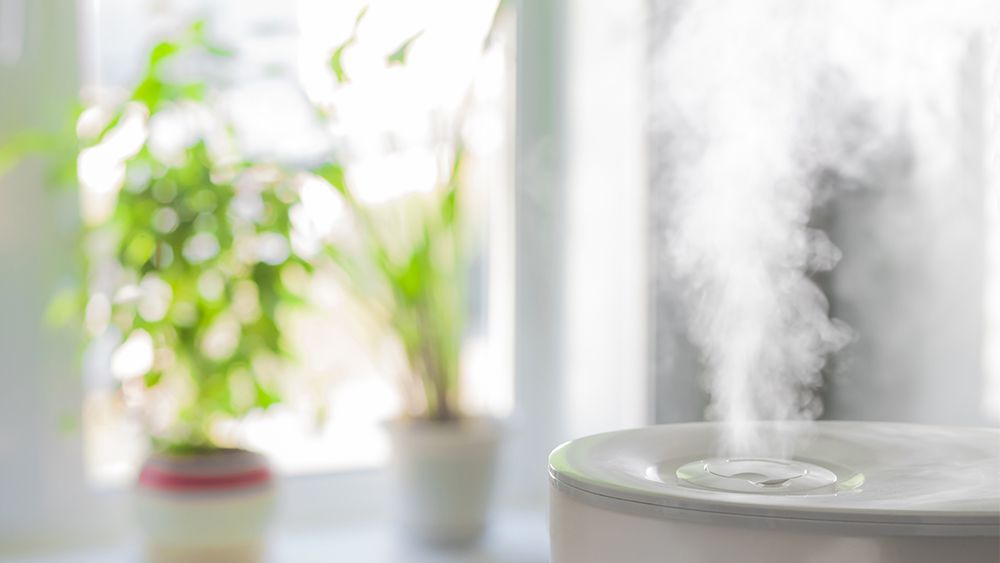
The Dark Side of Damp: Why Too Much Humidity is a Problem
While we champion the benefits of optimal humidity, it’s crucial to understand the risks of excess moisture. When your room’s humidity level creeps above the ideal range, you’re essentially rolling out the welcome mat for a host of unwelcome guests and issues.
- Mold and Mildew Growth: This is the big one. Mold spores are everywhere, but they only thrive in damp conditions. High humidity creates the perfect breeding ground on walls, ceilings, and even within your furniture.
- Dust Mite Paradise: These microscopic critters, a common trigger for allergies and asthma, flourish in humid environments. Keeping humidity in check is a key strategy for keeping them at bay.
- Respiratory Issues: While proper humidity soothes airways, overly damp air can feel heavy and difficult to breathe. It can exacerbate asthma symptoms and make the air feel stuffy and uncomfortable.
- Damage to Your Home: Excess moisture isn’t just bad for you; it’s bad for your house. It can cause paint to peel, wallpaper to bubble, and wood floors or furniture to warp and rot over time.
As Dr. Eleanor Vance, an acclaimed allergist, often notes, “Maintaining proper humidity is a first line of defense against airborne allergens. But when levels exceed 60%, you’re often creating a healthier environment for mold and dust mites than for yourself.”
The Telltale Signs: How to Know if Your Room is Too Humid
So, your humidifier has been running, but how do you know if you’ve crossed the line from helpful to harmful? Your house will give you clues. You just need to know what to look for.
- Condensation on Windows: This is often the first and most obvious sign. If you see fog, steam, or water droplets collecting on the inside of your windowpanes, the air in the room is holding more moisture than it can handle.
- A Musty or Damp Odor: Your nose knows. A persistent musty smell, especially in closets or areas with poor circulation, is a strong indicator of mildew or mold growth, fueled by high humidity.
- Visible Mold Spots: Look for small black, green, or white specks, particularly in corners, behind furniture, or in the bathroom.
- Damp or Clammy Feeling: If the air feels “heavy” or your skin feels persistently clammy and sticky even when the temperature is comfortable, your humidity is likely too high.
- Water Stains or Discoloration: Yellowish or brownish stains on ceilings or walls can be a sign of a long-term moisture problem.
Finding the “Goldilocks Zone”: What is the Ideal Humidity Level?
The sweet spot for indoor humidity, recommended by health experts and organizations like the EPA, is between 40% and 60%.
- Below 40%: You’ll start to experience the effects of dry air—sore throats, dry skin, static electricity, and increased susceptibility to colds.
- Above 60%: You enter the danger zone for mold growth and the other issues we’ve discussed.
The single most effective tool for monitoring this is a hygrometer. This inexpensive device measures the relative humidity in the air, taking all the guesswork out of the equation. Many modern humidifiers come with a built-in hygrometer (or humidistat), which is a fantastic feature for maintaining that perfect balance automatically.
Bảng trống.Your Humidifier Toolkit: Choosing and Using Your Appliance Wisely
The answer to “can a room be too humid?” often lies not in the humidifier itself, but in how we choose and use it. An overpowered unit in a small room or one left running unchecked is a recipe for trouble.
A Quick Look at Humidifier Types
Understanding the technology helps you make a smarter choice for your space.
- Ultrasonic Humidifiers: Use high-frequency vibrations to create a fine, cool mist. They are exceptionally quiet, making them perfect for bedrooms.
- Evaporative Humidifiers: Use a fan to blow air through a wet wick or filter. They are self-regulating to a degree, as the air will only absorb as much moisture as it can hold.
- Warm Mist Humidifiers (Vaporizers): Boil water to create a soothing, warm steam. This process also kills waterborne bacteria and germs.
Features That Prevent Over-Humidification
When shopping for a new humidifier, look for these key features to keep your room’s climate perfectly balanced:
- Built-in Humidistat: This is your set-it-and-forget-it feature. You set your desired humidity level (say, 45%), and the machine will automatically turn on and off to maintain it.
- Auto-Shutoff: A crucial safety and convenience feature that turns the unit off when the water tank is empty.
- Adjustable Mist Settings: Gives you manual control over the amount of moisture being released, allowing you to fine-tune the output for your room size and current conditions.
How to Fix a Room That’s Already Too Humid
If you’ve spotted the signs and your hygrometer is reading high, don’t panic. Here are some simple steps to bring the humidity back down:
- Turn Off the Humidifier: The first step is to stop adding more moisture to the air.
- Ventilate: Open a window or turn on an exhaust fan for 15-30 minutes to exchange the damp indoor air with drier outdoor air.
- Use a Dehumidifier: If you live in a naturally humid climate, a dehumidifier may be a necessary companion appliance to your humidifier, used as needed.
- Promote Air Circulation: Use a ceiling fan or a simple oscillating fan to keep the air moving, which helps prevent moisture from settling in one spot.
Best Practices for Safe and Effective Humidifier Use
A well-maintained humidifier is a healthy humidifier. My years of experience have shown that proper care is the key to getting all the benefits without any of the drawbacks.
How often should I clean my humidifier?
You should clean your humidifier at least once a week. A dirty tank or filter can become a breeding ground for bacteria and mold, which the humidifier will then pump into your air. Neglecting this is the single biggest mistake users make.
Here’s a simple cleaning checklist:
- Unplug the unit and empty the tank.
- Use a solution of white vinegar and water (a 50/50 mix works well) to swish around the tank and soak the base for about 20-30 minutes. This helps dissolve mineral buildup (scale).
- Gently scrub any stubborn spots with a soft brush (an old toothbrush is perfect for this).
- Rinse all components thoroughly with clean water to remove any vinegar residue.
- Let all parts air dry completely before reassembling.
What kind of water should I use?
For most humidifiers, especially ultrasonic models, using distilled or demineralized water is highly recommended. Tap water contains minerals that can be dispersed as a fine white dust, which settles on furniture and can be inhaled. These minerals also cause scale buildup inside the machine, making it harder to clean.
Frequently Asked Questions (FAQ)
Q1: Can high humidity make you sick?
Yes, indirectly. High humidity promotes the growth of mold, mildew, and dust mites, which are common triggers for allergies, asthma, and other respiratory illnesses. It doesn’t cause sickness directly, but it creates an environment where allergens thrive.
Q2: What is a dangerous level of humidity indoors?
Consistently maintaining indoor humidity levels above 60% is generally considered problematic. Once you start creeping towards 70% and above, you significantly increase the risk of rapid mold growth and create a very uncomfortable living environment.
Q3: Does a humidifier help with coughs?
Absolutely. A humidifier can be very effective for soothing coughs and congestion by adding moisture to dry airways, which reduces irritation. Just ensure the humidity stays in the ideal 40-60% range to avoid making the air feel heavy.
Q4: Should I run my humidifier all night?
Running a humidifier all night is a great way to improve sleep quality, especially if you suffer from congestion or dry air. The key is to use a model with a humidistat that will automatically maintain the correct level and shut off as needed, preventing the room from becoming too damp by morning.
Q5: How can I measure the humidity in my room accurately?
The best way is with a digital hygrometer. They are affordable, widely available, and give you an instant, precise reading of the relative humidity in your room. Place it away from the direct mist of the humidifier for the most accurate room-wide reading.
The Takeaway: Balance is Everything
So, can a room be too humid? Without a doubt. But this is a completely preventable problem. By understanding the signs of excess moisture, aiming for that “Goldilocks Zone” of 40-60% humidity, choosing a smart home appliance with the right features, and committing to regular cleaning, you can ensure your humidifier remains a powerful tool for health and wellness.
At Humidifier Go, we believe that breathing better is living better. Armed with this knowledge, you are now in complete control of your home’s air quality. Now go forth, breathe easy, and enjoy the perfect indoor oasis you’ve created.