Ever wake up with a throat that feels like sandpaper, a stuffy nose, or skin that’s uncomfortably tight? You’re not alone. Dry air, especially during winter months or in air-conditioned spaces, can wreak havoc on our bodies. This often leads to the big question we at Humidifier Go hear all the time: Should I Run A Humidifier All Night Long? The short answer is a resounding yes, but with a few crucial caveats. Think of it less like an appliance you just switch on and more like creating a perfectly balanced indoor ecosystem for your health. Let’s dive in and clear the air on how to do it right.
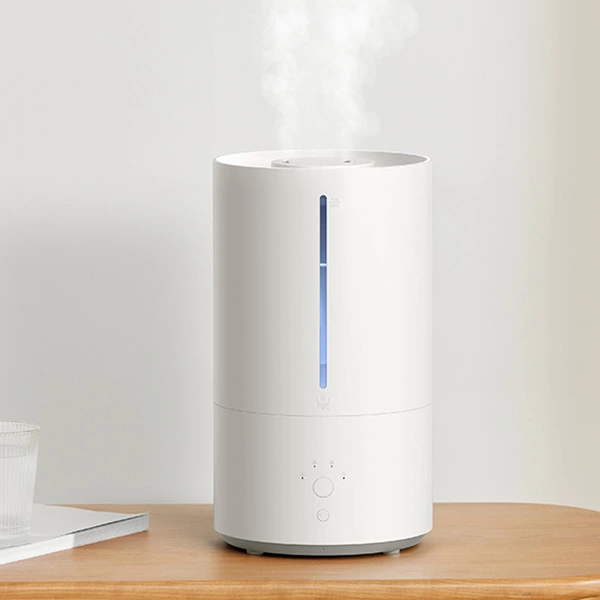
The Nightly Perks: Why Your Body Loves a Humidifier
Before we get into the “how,” let’s talk about the “why.” Running a humidifier while you sleep isn’t just about comfort; it’s about actively improving your health and well-being. I used to struggle with terrible winter congestion until I made a quality humidifier a non-negotiable part of my bedtime routine. The difference was, quite literally, a breath of fresh air.
Here’s a look at the benefits you can expect:
- Soothing Your Airways: Ideal humidity (between 40-60%) keeps your nasal passages and throat moist. This helps reduce snoring, ease congestion from colds or allergies, and can even prevent nosebleeds caused by dryness.
- Healthier, Happier Skin: Your skin loses moisture overnight, especially in dry environments. A humidifier helps your skin stay hydrated, reducing dryness, itchiness, and chapped lips. You’ll wake up looking and feeling more refreshed.
- Fighting Off Germs: Viruses, like the flu, tend to travel more easily in dry air. By maintaining optimal humidity, you create an environment where airborne viruses are less likely to survive and spread.
- Protecting Your Home: It’s not just about you! Dry air can damage wood furniture, floors, and even musical instruments, causing them to crack or warp. A humidifier protects your investments.
- A Better Night’s Sleep: Overall, when you’re breathing easier, your skin is comfortable, and you’re not coughing from a dry throat, you’re set up for a deeper, more restorative sleep.
Decoding the Tech: What Kind of Humidifier is Best for You?
Walking into the world of humidifiers can feel a bit overwhelming with all the different types available. Let’s break down the main players so you can find your perfect match.
Ultrasonic Humidifiers
These are incredibly popular and for good reason. They use a high-frequency vibrating diaphragm to break water into a fine, cool mist.
- Pros: Extremely quiet (perfect for bedrooms), energy-efficient, and typically filter-free.
- Cons: Can produce a “white dust” (mineral deposits from your water) if you use hard tap water. Using distilled or demineralized water solves this.
Evaporative Humidifiers
These devices use a fan to blow air through a wick or filter that is saturated with water. This process is self-regulating; as the air’s humidity increases, the evaporation rate naturally slows down.
- Pros: No white dust, generally affordable, and won’t over-humidify a room.
- Cons: Can be noisier due to the fan, and the wick filter needs to be cleaned and replaced regularly to prevent mold growth.
Warm Mist Humidifiers (Vaporizers)
These units boil water to create a warm, soothing steam.
- Pros: The boiling process kills waterborne bacteria and mold. The warm mist can feel especially comforting if you have a cold or flu.
- Cons: Use more energy and can be a burn risk for children or pets, so careful placement is essential.
The Big Question: So, Should I Run a Humidifier All Night Long?
Yes, you absolutely should—if you do it correctly. Leaving a humidifier on all night is the most effective way to reap its health benefits, as you’re exposed to that optimized air for a solid 7-9 hours. However, “set it and forget it” is not the right approach.
“Maintaining consistent, appropriate humidity overnight is a cornerstone of respiratory wellness. It’s not about making the air wet; it’s about creating a balanced environment where your body can rest and repair effectively.” – Dr. Eleanor Vance, Allergist and Air Quality Specialist
To ensure your nightly humidifying session is safe and effective, follow these golden rules:
- Monitor the Humidity Level: This is the most important rule. Too much humidity (above 60%) can encourage the growth of mold, mildew, and dust mites. The sweet spot is 40-60%. The best way to track this is with a separate, inexpensive device called a hygrometer. Many modern humidifiers also have a built-in humidistat that automatically shuts the unit off when the desired level is reached.
- Use the Right Water: To prevent the release of mineral dust and potential bacteria into your air, distilled or demineralized water is your best friend, especially for ultrasonic models. If you must use tap water, look for a humidifier with a demineralization cartridge.
- Ensure Proper Placement: Place the humidifier on a flat, waterproof surface at least a few feet away from your bed and any wooden furniture. Never place it on the floor or a carpet. You want the mist to disperse into the air, not saturate the surfaces around it.
- Keep It Clean: A dirty humidifier is worse than no humidifier at all. A poorly maintained tank can become a breeding ground for mold and bacteria, which it will then pump directly into your bedroom air.
The Golden Rule of Humidifiers: Keep It Clean
We can’t stress this enough. Cleaning your humidifier isn’t optional; it’s essential for your health. A dirty reservoir can counteract all the benefits and actually make you sick.
How often should I clean my humidifier?
You should give your humidifier a quick rinse and refill with fresh water daily. A more thorough cleaning and disinfection should be done at least once a week.
Your Weekly Humidifier Cleaning Checklist:
Follow these steps to keep your machine pristine and your air pure.
- Unplug and Disassemble: First things first, always unplug the unit from the wall. Separate the tank from the base.
- Empty and Rinse: Pour out any remaining water from the tank and the base.
- Descale with Vinegar: Mineral buildup can clog your machine. Fill the tank partway with a solution of one part white vinegar to one part water. Let it sit for 20-30 minutes, swishing it around occasionally. Use a soft brush to gently scrub any stubborn spots. Do the same for the base or any other parts that come in contact with water.
- Rinse Thoroughly: Rinse all parts with clean water until the smell of vinegar is gone.
- Disinfect (Optional but Recommended): For an extra layer of clean, you can use a solution of a teaspoon of 3% hydrogen peroxide per gallon of water. Let it sit in the tank for 15-20 minutes, then rinse completely. The EPA suggests this is an effective way to kill lingering germs.
- Dry and Reassemble: Let all the parts air dry completely before putting the humidifier back together.
Frequently Asked Questions (FAQ)
What is the ideal humidity level for a bedroom?
The ideal humidity level for a bedroom, and most indoor spaces, is between 40% and 60%. A hygrometer is the best tool to measure this accurately and ensure you’re not over-humidifying the room.
Can running a humidifier all night make you sick?
A clean humidifier running at the correct humidity level will not make you sick; it will support your health. However, a dirty humidifier can disperse mold and bacteria, and excessively high humidity can promote allergen growth, both of which can cause respiratory issues.
Cool mist or warm mist for sleeping?
For general nightly use, especially in homes with children or pets, a cool mist humidifier is the safest choice as there is no hot water or burn risk. Warm mist can be slightly better at killing germs, but the difference in overall air quality is minimal if the unit is kept clean.
Where is the best place to put a humidifier in a bedroom?
Place it on a small table or nightstand that is at least two feet off the ground. Keep it several feet away from your bed, walls, and wooden furniture to allow the mist to evaporate into the air rather than settling on surfaces.
Do I still need a humidifier in the summer?
It depends on your climate and if you use air conditioning. AC removes moisture from the air, often making indoor environments very dry. If you find yourself with dry skin or a stuffy nose in the summer, running a humidifier can definitely help.
The Final Mist: Your Path to Better Air
So, let’s circle back to our original question: should I run a humidifier all night long? The expert consensus is a clear yes, provided you commit to a few simple practices. By choosing the right machine, using clean water, monitoring the humidity levels, and sticking to a regular cleaning schedule, you transform a simple home appliance into a powerful wellness tool.
Making a humidifier a regular part of your nightly routine is one of the easiest and most effective ways to improve your sleep quality, support your respiratory health, and wake up feeling truly refreshed. It’s a small change that delivers a big impact on your overall well-being.