Ever walk across your carpet in the winter, reach for a doorknob, and get a surprising ZAP? Or maybe you wake up with a scratchy throat and dry, itchy skin, no matter how much water you drink. These are classic signs that the air in your home is uncomfortably dry. You might already know that a humidifier is the hero in this story, but how do you control its power? That’s where its unsung sidekick comes in. This brings us to the big question: What Is A Hygrometer And Do I Need One? As the experts at Humidifier Go, we’re here to tell you that this small device is the key to unlocking a perfectly balanced and healthy home environment.
Think of it this way: you wouldn’t bake a cake without a thermostat to control the oven temperature, right? A hygrometer does the exact same thing, but for your home’s humidity. It’s a game-changer, turning your air quality management from a guessing game into a precise science. Stick with us, and we’ll break down exactly what this nifty gadget is, why it’s so crucial, and how it works in perfect harmony with your humidifier to create the ultimate comfort zone.
So, What Exactly Is a Hygrometer?
Let’s cut through the technical jargon. A hygrometer is simply a device that measures the amount of water vapor in the air, otherwise known as humidity. It gives you a specific reading, usually as a percentage called “Relative Humidity” or %RH.
Imagine the air is a sponge. Relative Humidity tells you how “full” that sponge is with water compared to the maximum amount it could hold at its current temperature.
There are two main types you’ll encounter:
- Analog Hygrometers: These are the old-school, dial-faced types. They often use a mechanism, sometimes even a strand of human hair, that physically expands or contracts with moisture changes to move the needle. They’re classic but can be less precise.
- Digital Hygrometers: This is what you’ll see most often today. They use electronic sensors to provide a clear, easy-to-read digital display. They are generally more accurate, responsive, and often come bundled with other features, like a thermometer.
At its core, a hygrometer takes the invisible (humidity) and makes it visible (a number on a screen). This single piece of data is your most powerful tool for improving your indoor air quality.
The “Goldilocks Zone”: Why Humidity Levels Are a Big Deal
So, you have a number. What do you do with it? Experts, including the EPA, agree that the ideal indoor humidity level for health and comfort is between 40% and 60%. We at Humidifier Go call this the “Goldilocks Zone”—not too dry, not too damp, but just right.
Why is this range so important? Let’s look at what happens when your air is outside this sweet spot.
When Humidity Is Too Low (Below 40%)
This is the dry air problem most of us face in the winter when the heating is on full blast.
- Health Headaches: Dry air can irritate your nasal passages and throat, leading to a persistent cough, increased susceptibility to colds, sinus infections, and even nosebleeds. It’s particularly hard on those with asthma or allergies.
- Skin Struggles: Your skin loses moisture to the dry air, resulting in itchiness, flakiness, and exacerbation of conditions like eczema.
- Home Damage: That beautiful hardwood floor? It can start to shrink, gap, and even crack. The same goes for wooden furniture, musical instruments, and artwork.
- Static City: That annoying static electricity we mentioned? It thrives in dry air.
When Humidity Is Too High (Above 60%)
On the flip side, you can have too much of a good thing. This is common in humid climates or if you overuse a humidifier without monitoring the levels.
- Mold & Mildew: These unwelcome guests love damp environments. They can grow on walls, in bathrooms, and on window sills, releasing spores that can trigger allergic reactions and respiratory issues.
- Dust Mite Paradise: These microscopic critters, a major allergen, reproduce much faster in high-humidity conditions.
- Condensation: You might notice water beading on windows, which can lead to damage to window frames and walls over time.
- That “Muggy” Feeling: High humidity makes the air feel stuffy and warmer than it actually is, leading to general discomfort.
As our go-to air quality consultant, Dr. Eleanor Vance, often says, “Maintaining proper humidity is one of the simplest yet most effective ways to create a healthier home. A hygrometer isn’t a luxury; it’s a fundamental tool for anyone serious about their respiratory well-being.”
The Big Question: Do I Really Need a Hygrometer?
Okay, we’ve established the importance of the 40-60% Goldilocks Zone. The short answer to whether you need a hygrometer is a resounding yes, especially if you own or are considering buying a humidifier.
Without a hygrometer, running a humidifier is like driving a car without a speedometer. Are you going too fast? Too slow? You’re just guessing. I remember before I got serious about air quality, I’d just turn my cool mist humidifier on high and let it run all night. I’d wake up to condensation on the windows and a clammy feeling in the air. I was solving one problem (dry air) by creating another (excess moisture).
You absolutely need a hygrometer if:
- You own any type of humidifier. You need to know when to turn it on, when to turn it off, and what setting to use.
- Someone in your home has allergies, asthma, or frequent colds. Managing humidity is a critical part of managing their symptoms.
- You have valuable wood items. This includes hardwood floors, furniture, guitars, or pianos that are sensitive to humidity changes.
- You live in a climate with extreme seasons. Both harsh, dry winters and sweltering, humid summers can wreak havoc on your indoor air.
- You simply want to optimize your comfort. A well-humidified room feels more comfortable and can even feel warmer, potentially allowing you to lower your thermostat a degree or two in the winter.
The Perfect Partnership: Hygrometers and Humidifiers
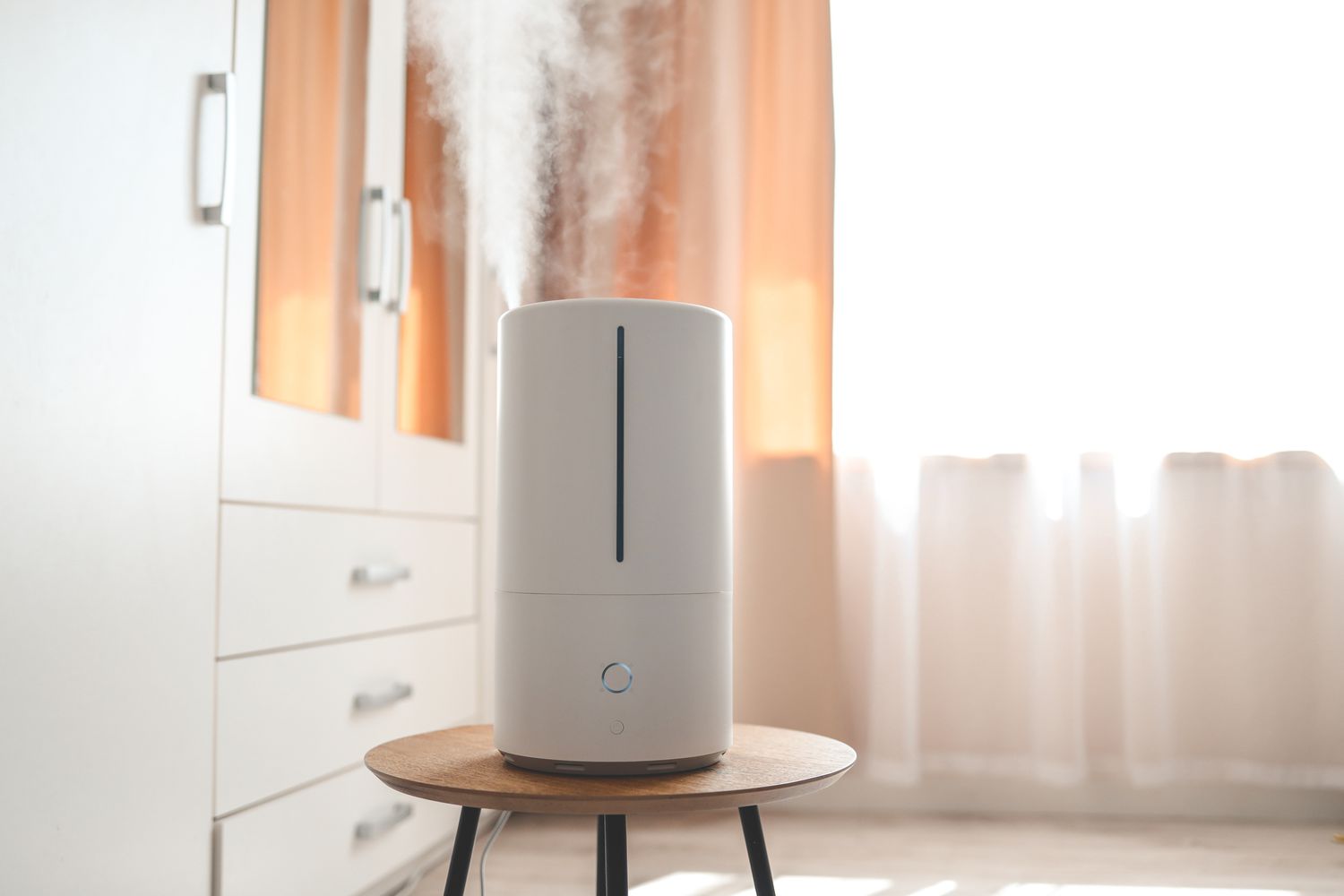
A hygrometer and a humidifier are a dynamic duo. The hygrometer is the brain, and the humidifier is the muscle. One provides the data, and the other takes action.
This is why many modern humidifiers, like some of the advanced models we recommend, have a built-in hygrometer (often called a “humidistat”). These [ultrasonic humidifiers with smart controls] are fantastic because they can operate automatically. You just set your desired humidity level—say, 45%—and the machine will turn itself on when the level drops below that and shut off when it’s reached. It’s the ultimate “set it and forget it” solution for perfect air.
However, a separate, standalone hygrometer is still a fantastic investment. Why? Placement is key. For the most accurate reading of a room’s overall humidity, the hygrometer should be placed away from the direct mist stream of the humidifier. A built-in sensor measures the air right next to the machine, which can sometimes be a bit skewed. Having a second unit across the room gives you the truest picture of your environment.
How to Choose and Use Your Hygrometer
Ready to take control? Here’s what to look for and how to use this powerful little device.
What to Look For in a Hygrometer
- Accuracy: This is the most important feature. Look for models that state an accuracy of +/- 2% to 4% RH. Some even allow for calibration to ensure they’re spot-on.
- Readability: A large, clear digital display is a must. Backlights are a great bonus for nighttime viewing.
- Responsiveness: You want a device that updates its readings relatively quickly as conditions change.
- Extra Features: Many digital hygrometers also function as thermometers, which is incredibly useful. Some even track high and low readings over a 24-hour period.
Where is the Best Place to Put a Hygrometer?
To get the most accurate reading, place your hygrometer in a central part of the room you’re monitoring.
Avoid placing it in these spots:
- In direct sunlight or near a heat source (like a radiator or vent).
- Right next to a window or door where it’s exposed to drafts.
- In the direct path of your humidifier’s mist. This will give you an artificially high reading.
- In a bathroom or kitchen, as steam from showers and cooking will temporarily and dramatically skew the results.
Place it on a bookshelf or nightstand, and you’ll get a reliable reading of the air you’re actually living and breathing in.
Frequently Asked Questions
What is the ideal humidity level for a home?
The ideal and healthiest humidity level for a home is between 40% and 60%. This range is optimal for respiratory health, minimizes the growth of mold and dust mites, and protects wooden furnishings in your home.
Can a hygrometer be wrong?
Yes, like any measuring instrument, a hygrometer’s accuracy can drift over time. Higher-quality digital models are generally reliable, but it’s good practice to check their accuracy once a year. This can be done with a simple salt test (you can find instructions online) or by comparing it to a new, trusted unit.
Do I need a hygrometer if my humidifier has one built-in?
While a built-in hygrometer (humidistat) is excellent for automatic control, having a separate, standalone hygrometer is still highly recommended. Placing a second unit across the room gives you a more accurate reading of the room’s average humidity, ensuring the entire space is in the optimal range.
How does a hygrometer help with dry air symptoms?
A hygrometer empowers you to fix dry air scientifically. By showing you the exact humidity level, it tells you precisely when to run your humidifier to combat symptoms like a dry throat, itchy skin, and static electricity, keeping you consistently within the healthy 40-60% range.
Is too much humidity a bad thing?
Absolutely. Humidity levels above 60% can lead to condensation, promote the growth of mold, mildew, and bacteria, and create a breeding ground for dust mites. This is why answering “what is a hygrometer and do I need one” is so critical—it prevents you from over-humidifying and trading one air quality problem for another.
Your First Step to Better Air
So, let’s circle back to our original question: what is a hygrometer and do I need one? By now, the answer should be crystal clear. It’s an essential, affordable tool that acts as your personal air quality dashboard. It demystifies the air you breathe and empowers you to create a perfectly balanced indoor environment.
Without one, you’re just flying blind. With one, you can fine-tune your atmosphere for better health, superior comfort, and a protected home. It’s the small investment that makes your bigger investment in a quality humidifier truly pay off. Take control of your air, and your body will thank you for it.