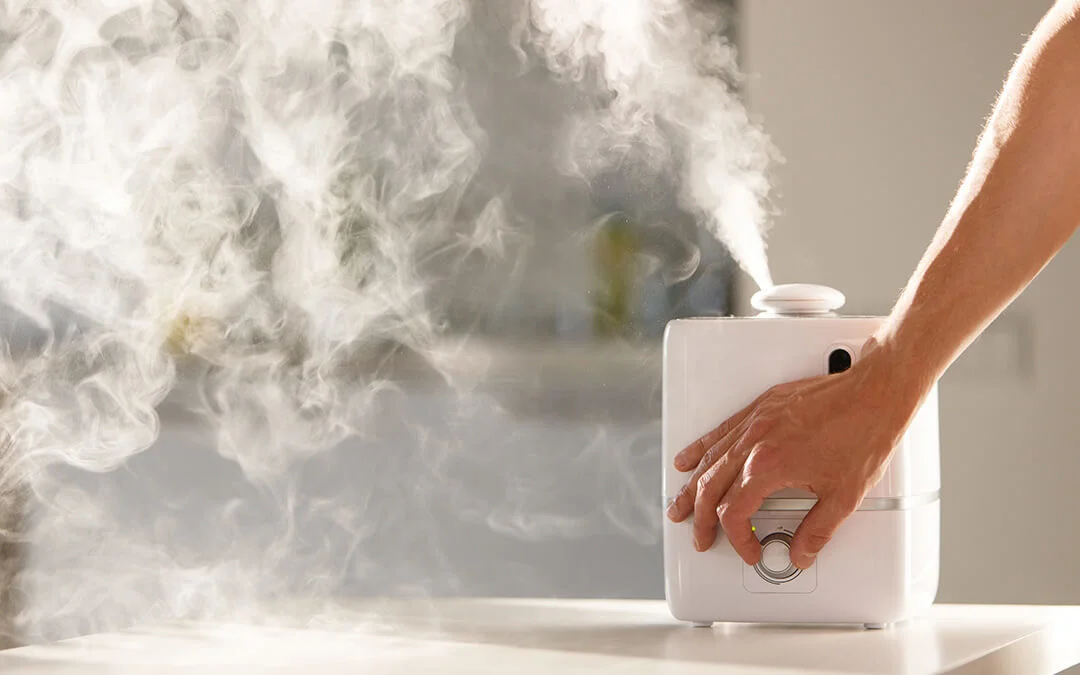
An Aircare evaporative humidifier effectively combats dry indoor air by releasing invisible, clean moisture, ideal for maintaining optimal indoor humidity levels between 40% and 60%. These units are particularly beneficial for large spaces, preventing issues like dry skin, respiratory discomfort, and damage to wood furnishings, making them a key wellness tool for home air quality.
Why Humidity Matters More Than You Think
Before we dive into the specifics of Aircare models, let’s quickly touch on why you should even care about the moisture level in your home. Think of it as creating your own personal microclimate, one that’s perfectly balanced for health and comfort.
- Breathe Easier: Properly humidified air soothes your nasal passages and throat, which can help alleviate symptoms of allergies, asthma, and the common cold.
- Healthier Skin and Hair: Say goodbye to chapped lips and dry, flaky skin. Consistent humidity helps your body’s largest organ stay hydrated from the inside out.
- Protect Your Home: Dry air leaches moisture from wood, causing floors, furniture, and even musical instruments to crack or warp over time. A humidifier protects your investment.
- A Better Night’s Sleep: By reducing snoring (which can be caused by a dry throat) and creating a more comfortable breathing environment, a humidifier can be a major upgrade for your sleep quality.
Dr. Eleanor Vance, a leading allergist, often says, “Maintaining proper indoor humidity is your first line of defense against airborne irritants. It helps your respiratory system’s natural filtration mechanisms work more effectively, trapping dust and allergens before they can cause a reaction.”
The Great Humidifier Showdown: Evaporative vs. The Rest
Not all humidifiers are created equal. The technology they use directly impacts their performance, maintenance, and the type of mist they produce. Here’s a quick rundown of the main players:
| Type | How It Works | Pros | Cons |
|---|---|---|---|
| Evaporative | A fan blows air through a saturated wick filter, causing water to evaporate naturally into the air. | Self-regulating, no “white dust,” energy-efficient, great for large areas. | Requires wick filter replacement, fan can be noisy. |
| Ultrasonic | A high-frequency vibrating diaphragm turns water into a fine, visible cool mist. | Very quiet, no filter to replace (usually), often has a sleek design. | Can produce “white dust” (mineral deposits) if using hard water. |
| Warm Mist | A heating element boils water, releasing a warm, purified steam into the room. | Kills waterborne bacteria, mist is warm and soothing in winter. | Higher energy consumption, potential burn risk for kids/pets. |
As you can see, each has its place. But for whole-house or large-space humidification without the hassle of mineral dust, the evaporative method is a tried-and-true champion.
The Aircare Evaporative Humidifier Review: A Deep Dive
So, what makes Aircare a brand? Aircare, a brand under Essick Air, specializes in evaporative technology, particularly for large spaces. They’ve built a reputation for creating powerful, no-nonsense machines that get the job done. Let’s get into the nitty-gritty.
How an Aircare Evaporative Humidifier Works
Bảng trống.The concept is beautifully simple and mimics nature’s own process.
- A large reservoir holds the water.
- An absorbent wick filter sits in the reservoir, drawing water up like a sponge.
- A fan, often with multiple speeds, pulls dry air from your room into the unit.
- This air passes through the saturated wick, picking up moisture naturally.
- The fan then pushes this perfectly humidified, invisible vapor back into your room.
Think of it like a gentle breeze blowing over a lake on a cool day. It’s a natural, self-regulating process. The drier the air, the more moisture it will absorb. As the room’s humidity approaches an ideal level, the evaporation rate automatically slows down.
The Good Stuff: Why People Love Aircare
After testing and talking to countless users, a few key benefits consistently rise to the top.
- No White Dust: This is a huge one. If you have hard water, ultrasonic humidifiers can spray a fine white powder (calcium and magnesium deposits) all over your furniture. Because evaporative humidifiers release pure water vapor, not liquid droplets, all those minerals are trapped in the wick filter. Your dark furniture will thank you.
- Coverage Powerhouse: Many Aircare models are designed as whole-house humidifiers, capable of covering 2,000, 3,000, or even over 4,000 square feet. They are workhorses for open-plan homes or anyone looking for a single solution instead of multiple small units.
- Energy Efficiency: Compared to warm mist models that have to boil water, the simple fan-and-wick system of an Aircare evaporative humidifier is incredibly energy-efficient, saving you money on your electricity bill.
- Invisible, Clean Moisture: The mist is so fine that it’s invisible. You won’t see clouds of vapor, which also means you’re less likely to over-saturate the area immediately around the unit, preventing damp spots on floors or furniture.
The Not-So-Good Stuff: What to Consider
No product is perfect, and a fair Aircare evaporative humidifier review must acknowledge the trade-offs.
- Wick Filter Replacement: The wick is the hero of the system, trapping minerals and impurities. But this hero needs to be replaced. Depending on your water hardness and usage, you’ll need a new filter every 1-3 months. This is an ongoing cost and maintenance step to factor in.
- Fan Noise: Because it relies on a fan, there will be some noise. On the lowest setting, it’s often a pleasant white noise, but on higher settings, it can be as loud as a standard box fan. This might be a deal-breaker for light sleepers if placed in a bedroom.
- It’s Cool Mist Only: The evaporative process naturally cools the air slightly. This is fantastic in the summer but might be less desirable for some during the coldest winter months who prefer a warm mist.
Who Is an Aircare Humidifier Actually For?
An Aircare evaporative model is an excellent choice for:
- Homeowners with Large, Open Spaces: If you’re trying to humidify more than just a single bedroom, their whole-house capacity is a major upgrade.
- People with Hard Water: If you’re tired of the white dust produced by ultrasonic models, this is your solution.
- Families Seeking a Low-Fuss Solution: Once set up, you just need to fill the tank. The self-regulating nature means you don’t have to constantly fiddle with settings.
- Budget-Conscious Users: While there’s the ongoing cost of wicks, the initial purchase price and energy efficiency often make them a very economical choice for large-scale humidification.
How Do I Keep My Aircare Humidifier Running Like a Champ?
Proper maintenance is key to getting the most out of your unit and ensuring the air it produces is clean and healthy. Neglecting it can lead to mold and bacteria growth.
How often should I clean my humidifier?
You should clean your humidifier’s tank and base at least once a week. This simple step is the single most important thing you can do to prevent the growth of mold and bacteria, ensuring you’re releasing clean, healthy moisture into your home.
Here’s a simple cleaning checklist you can follow:
- Unplug and Disassemble: Safety first! Unplug the unit and remove the water tank. Discard any old water.
- Rinse the Tank: Rinse the water tank thoroughly.
- Clean the Base: Use a 50/50 solution of white vinegar and water to wipe down the base (the part the water sits in). Use a soft brush to gently scrub away any mineral buildup. Let it sit for 20 minutes if the buildup is heavy.
- Rinse and Dry: Rinse all components thoroughly with clean water to remove any vinegar smell and let them air dry completely before reassembling.
- Check the Wick: Check your wick filter. If it’s hard, crusty with minerals, or has developed an odor, it’s time to replace it. Never try to wash an evaporative wick.
Frequently Asked Questions
Can I use essential oils in an Aircare evaporative humidifier?
No, it is not recommended. The oils can break down the plastic components of the unit and, more importantly, can clog the wick filter, severely reducing its effectiveness and lifespan. Look for a dedicated essential oil diffuser instead.
What is that white dust from other humidifiers?
The “white dust” is a fine powder made of mineral deposits (like calcium and magnesium) left behind when water from an ultrasonic or impeller humidifier evaporates. It’s most common in homes with hard water. Evaporative models prevent this by trapping minerals in their filters.
How often do I really need to replace the wick filter?
This depends heavily on your water’s mineral content and how often you run the unit. A good rule of thumb is every 1-3 months. A visual inspection is your best guide: if the wick is discolored, crusty, or smells musty, it’s time for a new one.
Will an Aircare humidifier make my room feel cold?
The evaporative process does cause a slight cooling effect, known as evaporative cooling. While it’s generally not enough to significantly drop the room temperature, you might feel a cool breeze if you stand directly in the fan’s airflow.
Is an evaporative humidifier better for allergies?
Yes, in many cases. By maintaining optimal humidity, it helps soothe irritated airways. The wick filter acts as a filter of sorts, trapping dust, pollen, and other minerals from the water, preventing them from being dispersed into the air you breathe.
The Final Verdict
After a thorough review, the verdict is clear: an Aircare evaporative humidifier is a robust, effective, and economical solution for anyone serious about improving their home’s air quality, especially across large areas. While it requires the routine replacement of wick filters and produces some fan noise, these trade-offs are often well worth the benefits of powerful, dust-free humidification. It stands as a testament to simple, effective technology that works with nature, not against it.
If you’re ready to say goodbye to dry sinuses, static shock, and cracked wooden furniture, investing in a quality humidifier is one of the best decisions you can make for your home and health. Take these tips to heart, choose the right model for your space, and get ready to breathe a whole lot better.
How to Clean Your Aircare Evaporative Humidifier
Regular cleaning of your Aircare humidifier is crucial for optimal performance and to prevent mold and bacteria growth. Follow these steps weekly to ensure clean, healthy moisture.
Prioritize safety by unplugging the humidifier from the power outlet. Carefully remove the water tank and discard any remaining old water inside. This prepares the unit for a thorough cleaning.
Thoroughly rinse the empty water tank with clean water. This helps remove any loose debris or residue before deeper cleaning. Ensure all surfaces are flushed.
Prepare a 50/50 solution of white vinegar and water. Use this solution to wipe down the humidifier's base, where the water typically sits. For stubborn mineral buildup, use a soft brush to gently scrub the affected areas and let the solution sit for 20 minutes before rinsing.
After cleaning, rinse all components thoroughly with clean water to eliminate any lingering vinegar smell. Allow all parts to air dry completely before reassembling the humidifier. This prevents moisture-related issues.
Examine your wick filter for signs of wear, such as hardness, crusty mineral deposits, or a musty odor. If any of these conditions are present, it's time to replace the filter. Never attempt to wash an evaporative wick filter, as this can damage its effectiveness.
Pet products vetted on real animals
Practical specs, not advice. Unsubscribe anytime.
This Aircare humidifier is a game-changer for protecting my wood furniture. I have several antique pieces that were starting to show signs of cracking due to the dry winter air. Since I started using this, I’ve seen a noticeable improvement, and the air just feels so much more comfortable overall. It’s truly a key wellness tool.
I was skeptical about how much a humidifier could help, but this Aircare unit has been great for my respiratory discomfort. I used to wake up with a dry throat every morning, and that’s significantly improved. It’s a solid investment for anyone dealing with really dry indoor air, especially in bigger rooms.
I’ve been using an Aircare evaporative humidifier for a few months now, and it’s made a huge difference in my large open-plan living area. My dry skin and chapped lips are practically gone, and I’ve noticed less static electricity too. It really does maintain that ideal 40-60% humidity level without making things feel damp.
The Aircare humidifier definitely helps with the dry air in my bedroom, and I do breathe easier at night. However, I find refilling the water tank a bit cumbersome. It’s not a deal-breaker, but it could be designed to be a little more user-friendly for daily maintenance.