Waking up with a scratchy throat, dry skin, or static cling often indicates low indoor humidity. A filterless humidifier offers a convenient and cost-effective solution to combat dry air by adding moisture to your home without the need for disposable filters, simplifying maintenance and reducing long-term costs. These devices improve air quality and comfort, making them a smart choice for many households.
I’ve spent years in the air quality industry, and the switch to a filterless model in my own home was a revelation. It eliminated the need for last-minute filter purchases and hidden recurring costs, providing pure, simple, and effective humidity. This guide from Humidifier Go will help you understand the technology and choose the perfect filterless humidifier to combat dry air effectively.
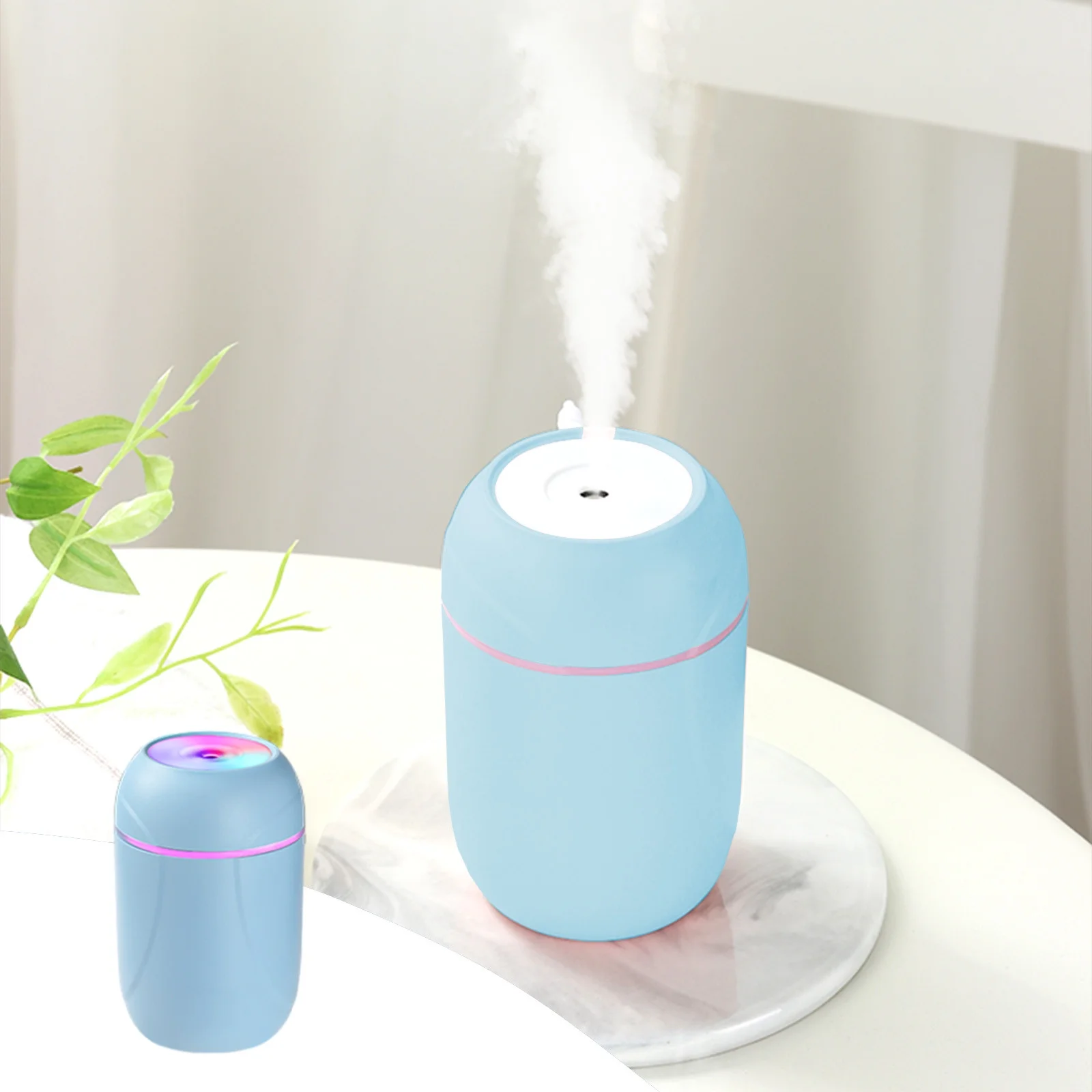
Why Go Filterless? The Unseen Benefits
The primary advantage of filterless humidifiers is the absence of filters, which translates into several significant benefits:
- Long-Term Savings: While individual replacement filters may seem inexpensive, their costs accumulate substantially over the lifespan of a humidifier. Filterless models offer a lower total cost of ownership.
- Ultimate Convenience: There’s no need to to order or replace filters, or to search for specific model numbers. With a filterless unit, you simply add water and operate it.
- Reduced Waste: Eliminating disposable filters is an environmentally conscious choice, contributing to less landfill waste.
- Consistent Performance: Without filters that can clog, a filterless humidifier consistently operates at its peak efficiency, ensuring steady moisture output.
As our in-house air quality specialist, David Chen, often says, “The goal of a humidifier is to simplify your life and improve your health, not add another chore to your list. A filterless design is the purest expression of that goal.”
Understanding the Tech: How Do Filterless Humidifiers Work?
Filterless humidifiers introduce water vapor into the air through clever engineering, primarily utilizing two main technologies.
Ultrasonic Humidifiers: The Silent Workhorses
These are the most common type of filterless humidifier.
How they work: An ultrasonic humidifier uses a ceramic diaphragm that vibrates at an incredibly high frequency (ultrasonic frequency) to break water droplets into a super-fine, visible cool mist. This mist is then quietly dispersed into your room by a small fan.
- Pros: They are exceptionally quiet, making them ideal for bedrooms and offices, and are highly energy-efficient.
- Cons: If hard tap water is used, minerals can be dispersed as a fine, white dust that settles on furniture. This issue is easily resolved by using distilled or demineralized water.
Vaporizers (Warm Mist): The Soothing Classic
Bảng trống.These are traditional humidifiers that produce warm steam.
How they work: A heating element inside the unit boils water, generating warm, soothing steam that is released into the air. The boiling process naturally purifies the water, eliminating bacteria and mold while leaving minerals behind in the tank.
- Pros: The warm mist can create a cozier atmosphere in colder climates and provides comfort for coughs and congestion. The boiling process prevents mineral dust.
- Cons: They consume more energy than ultrasonic models due to the heating element. Due to the hot water and steam, they must be placed out of reach of children and pets to prevent burn risks.
How to Choose the Best Filterless Humidifier for You
Selecting the right filterless humidifier involves considering your space and specific needs.
What’s Your Room Size?
Room size is the most critical factor. An undersized humidifier will be ineffective in a large space. Always check the manufacturer’s recommended square footage coverage.
- Small Rooms (up to 300 sq. ft.): For areas like bedrooms, nurseries, or home offices, a compact ultrasonic model is often the best filterless humidifier.
- Medium Rooms (300-500 sq. ft.): Living rooms or master bedrooms require a unit with a larger tank and higher mist output.
- Large Rooms (500+ sq. ft.): Open-concept living areas benefit from powerful console or tower models with large capacities to minimize refilling.
Cool Mist vs. Warm Mist: The Great Debate
This choice depends on personal preference and climate.
- Choose Cool Mist (Ultrasonic) if:
- You reside in a warmer climate.
- You have children or pets, as it is the safest option.
- You need a humidifier for a bedroom, given their typically quiet operation.
- Choose Warm Mist (Vaporizer) if:
- You live in a colder climate and appreciate a slight warming effect.
- You desire the health benefits of warm, soothing steam for congestion.
- You are concerned about bacteria and prefer the purifying effect of boiling water.
What Extra Features Actually Matter?
Modern humidifiers offer various features, but some are more useful than others:
- Built-in Humidistat: This essential feature measures room humidity and automatically adjusts the unit to maintain your desired level (ideally between 40-60%), preventing over-humidification and potential mold growth.
- Adjustable Mist Settings: Allows you to control the mist output, increasing it when the air is very dry and reducing it at night.
- Auto Shut-off: A crucial safety feature that turns the humidifier off when the water tank is empty, protecting the motor from damage.
- Easy-to-Clean Design: Models with wide tank openings simplify weekly cleaning, which is vital for hygiene.
Keeping It Clean: Your Guide to Filterless Humidifier Maintenance
“Filterless” does not mean “maintenance-free.” Regular cleaning is even more critical for these models to prevent mold and bacteria growth, which can be dispersed into the air if the unit is dirty.
The U.S. Environmental Protection Agency (EPA) recommends cleaning your humidifier every three days. Here’s a simple, effective routine:
- Unplug and Disassemble: Always unplug the unit first. Empty any remaining water from the tank and base.
- The Vinegar Soak: Fill the tank about halfway with a solution of one part white vinegar to one part water. Swish it around to coat the inside. If the base is detachable, you can fill it with the same solution. Let it sit for 20-30 minutes. Vinegar is excellent for breaking down mineral buildup (scale).
- Scrub and Rinse: Use a soft brush (a dedicated bottle brush works well) to gently scrub the inside of the tank and any crevices in the base. Pour out the vinegar solution and rinse everything thoroughly with clean water until the vinegar smell is gone.
- Dry and Reassemble: Wipe all parts dry with a clean cloth or allow them to air dry completely before reassembling the humidifier.
Frequently Asked Questions (FAQ)
What is the main disadvantage of a filterless humidifier?
The primary disadvantage, particularly for ultrasonic models, is the potential for “white dust.” This fine mineral powder from hard water can settle on surfaces. While generally harmless, it can be a nuisance. Using distilled or demineralized water completely eliminates this issue.
How often should I clean my filterless humidifier?
For optimal performance and health, you should rinse the tank daily and perform a thorough cleaning with vinegar at least once a week, or every three days as recommended by the EPA, especially if used daily. Regular cleaning is essential to prevent bacteria and mold buildup.
Can a filterless humidifier make you sick?
Any humidifier, regardless of whether it has a filter, can make you sick if it is not kept clean. A dirty water tank provides a breeding ground for mold and bacteria, which can then be dispersed into the air. Therefore, adhering to a strict, regular cleaning schedule is absolutely essential for safe operation.
Is warm mist or cool mist better from a filterless humidifier?
Neither warm mist nor cool mist is inherently “better”; they serve different purposes. Cool mist is safer for homes with children and is more energy-efficient. Warm mist can be more soothing for colds and congestion and does not produce white dust. The choice depends on your personal health needs and home environment.
Do I really need to use distilled water?
If you own an ultrasonic model and live in an area with hard water, then yes, using distilled water is highly recommended to prevent white dust. For warm mist vaporizers, tap water is perfectly fine, as the boiling process leaves the minerals behind in the tank.
Your Journey to Better Air Starts Here
Choosing the best filterless humidifier is a fantastic step towards creating a healthier, more comfortable home environment. By saying goodbye to the hassle and recurring cost of filters, you’re investing in a simpler, more efficient solution for tackling dry air. to match the unit to your room size, choose the mist type that suits your family, and commit to a regular cleaning schedule.
Armed with this knowledge, you can confidently select a device that will help you sleep better, soothe your sinuses, and maybe even save your favorite wooden furniture from cracking. It’s time to improve your home into a sanctuary of perfect humidity.
How to Clean a Filterless Humidifier
Regular cleaning of your filterless humidifier is crucial to prevent mold and bacteria growth and ensure healthy air quality. The EPA recommends cleaning every three days.
Always unplug the humidifier from the power source before cleaning. Empty any remaining water from both the tank and the base to prepare for cleaning.
Fill the tank halfway with a solution of one part white vinegar to one part water. Swish the solution around to coat the interior surfaces. If the base is detachable, fill it with the same solution and let it sit for 20-30 minutes to break down mineral buildup.
Use a soft brush, such as a dedicated bottle brush, to gently scrub the inside of the tank and any crevices in the base. After scrubbing, pour out the vinegar solution and rinse all parts thoroughly with clean water until the vinegar smell is completely gone.
Wipe all cleaned parts dry with a clean cloth or allow them to air dry completely. Ensure all components are fully dry before reassembling the humidifier and plugging it back in for use.
Pet products vetted on real animals
Practical specs, not advice. Unsubscribe anytime.
I was so tired of buying new filters every month for my old humidifier. Switching to a filterless model has been a game-changer for my wallet and my peace of mind. My dry skin has improved so much, and I don’t wake up with a scratchy throat anymore. It’s truly a cost-effective solution.
This guide really helped me understand the technology behind filterless humidifiers. I was hesitant at first, but the idea of reducing long-term costs by not needing filters sold me. My home feels so much more comfortable now, and I’ve noticed a huge difference in my overall air quality. Highly recommend for anyone dealing with dry air!
I got a filterless humidifier hoping to simplify things, and while the lack of filters is great, I’m still finding myself cleaning it pretty regularly to avoid any buildup. It does add moisture to the air, which helps with my morning congestion, but the ‘pure, simple’ aspect isn’t quite as hands-off as I expected. Maybe I just need to find a better cleaning routine.
I’ve been using a filterless humidifier for about a month now, and it’s definitely helped with the static cling in my apartment. The maintenance is super easy since there are no disposable filters to worry about. I just wish it had a slightly larger water tank so I didn’t have to refill it quite as often.