Waking up with a scratchy throat, dry skin, and static shocks are common signs of bone-dry indoor air, which can be effectively remedied by finding the best value humidifier. A humidifier transforms your home into a sanctuary of comfort by adding essential moisture to the air, alleviating these uncomfortable symptoms and improving overall air quality.
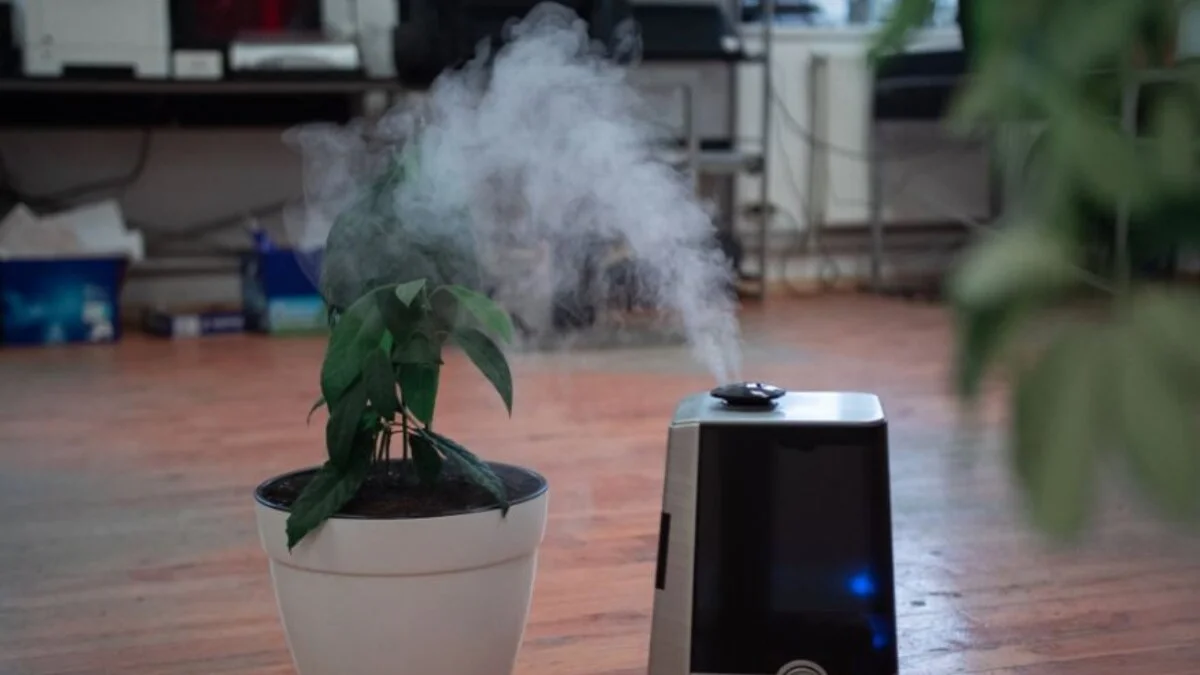
Why That “Dry Air” Feeling is More Than Just an Annoyance
Proper humidity is a cornerstone of a healthy home environment. When indoor air is too dry (typically below 40% relative humidity), it draws moisture from everything, including your body, furniture, and plants. Investing in a good humidifier offers significant benefits:
- Breathe Easier, Sleep Better: Properly humidified air soothes nasal passages and throats, reducing snoring and alleviating symptoms of colds, allergies, and asthma.
- Healthier Skin and Hair: It helps your body retain natural moisture, preventing chapped lips, itchy skin, and brittle hair.
- Protect Your Home and Furnishings: Dry air can cause wood floors, furniture, and musical instruments to crack and warp; maintaining ideal humidity preserves these investments.
- Reduce the Spread of Viruses: Studies indicate that airborne viruses, such as the flu, struggle to survive and spread in air with humidity levels between 40% and 60%.
- A Happier Home for Plants and Pets: Humidifiers create a more comfortable and healthier environment for all household members, including plants and pets.
Cracking the Code: The Different Types of Humidifiers
Understanding the main categories of humidifiers is crucial for selecting the best value humidifier for your specific needs.
Ultrasonic Humidifiers: The Silent Performers
These modern units use a ceramic diaphragm vibrating at an ultrasonic frequency to produce an ultra-fine, cool mist.
- Pros: They are exceptionally quiet, ideal for bedrooms and offices, and do not require filters, saving on long-term costs.
- Cons: Hard tap water can lead to “white dust” (mineral deposits) on furniture, which is preventable by using distilled or demineralized water.
Evaporative Humidifiers: The Natural Workhorses
Evaporative humidifiers use a fan to blow air through a wet wick filter, naturally adding moisture to the air.
- Pros: They are self-regulating, slowing evaporation as room humidity rises, and prevent white dust by trapping minerals in the filter.
- Cons: The fan produces some background noise, and wick filters require periodic replacement to prevent mold and bacteria growth.
Warm Mist Humidifiers (Vaporizers): The Cozy Choice
These units boil water with a heating element to release warm, soothing steam.
- Pros: The boiling process kills waterborne bacteria and mold, ensuring pure mist, and the warm mist can make a room feel cozier in winter.
- Cons: They consume more electricity due to the heating element and pose a potential burn risk, making them less suitable for homes with small children or pets.
How to Choose the Best Value Humidifier for Your Space
True value in a humidifier comes from selecting a unit that precisely meets your needs without unnecessary features. Consider these key factors:
Match the Size to Your Room
Bảng trống.Humidifier capacity is determined by the room size it can effectively service (in square feet) or its water tank size. Using an undersized unit in a large room will be ineffective, while an oversized unit in a small room can cause over-humidification and condensation. Always check manufacturer recommendations.
Cool Mist vs. Warm Mist: What’s the Difference?
A cool mist humidifier (ultrasonic or evaporative) is generally safer, especially around children and pets, as it involves no hot water. A warm mist humidifier may offer slight relief for cold and cough symptoms, but both types effectively add moisture to the air. Cool mist is often the more versatile choice for year-round use.
Features That Actually Add Value
Focus on practical features that enhance functionality and convenience:
- Built-in Humidistat: This feature measures room humidity and automatically turns the unit on or off to maintain your desired level, preventing over-humidification and saving energy.
- Auto Shut-Off: A crucial safety feature that powers off the humidifier when the water tank is empty, protecting the motor from damage.
- Ease of Cleaning: Look for models with large tank openings and minimal hard-to-reach crevices. Easy cleaning is vital for preventing mold and bacteria growth.
Getting the Most Out of Your Humidifier: Use and Maintenance
Proper use and maintenance are essential for both the performance of your humidifier and your health.
As Dr. Eleanor Vance, an indoor air quality specialist, often advises, “An unmaintained humidifier can do more harm than good. Regular cleaning is non-negotiable for ensuring you’re releasing clean, healthy moisture into your air, not a cocktail of bacteria and mold.”
What type of water should I use in my humidifier?
For optimal results and appliance longevity, distilled or demineralized water is the gold standard. This is particularly important for ultrasonic models, as it completely prevents the release of white mineral dust and significantly reduces mineral buildup within the machine.
Your Weekly Cleaning Checklist
Following guidelines from agencies like the U.S. Environmental Protection Agency (EPA) is crucial. A simple weekly cleaning routine ensures healthy operation:
- Unplug the Unit: Always disconnect the humidifier from the power source before cleaning to ensure safety.
- Empty and Rinse: Discard any remaining water from the tank and base, then rinse them thoroughly with fresh water.
- Descale with Vinegar: Fill the tank or base with a solution of one part white vinegar to one part water. Let it sit for 20-30 minutes to dissolve mineral buildup.
- Disinfect and Scrub: Empty the vinegar solution. Use a soft brush or cloth to gently scrub away residue. For deeper cleaning, use a diluted hydrogen peroxide or bleach solution per manufacturer instructions, rinsing thoroughly afterward.
- Rinse and Dry Completely: Rinse all parts multiple times to remove cleaning solutions. Allow all components to air dry completely before reassembling and using the unit.
Frequently Asked Questions (FAQ)
Q1: How do I know if I need a humidifier?
A: Common signs of dry indoor air include a scratchy throat, dry sinuses, itchy skin, increased static electricity, and cracking wood furniture. You can get a definitive answer by using a simple, inexpensive device called a hygrometer, which measures the humidity level in your room.
Q2: What is the ideal humidity level for a home?
A: The ideal indoor relative humidity level is between 40% and 60%. Below 30% is generally considered too dry, while levels above 60% can encourage the growth of mold and mildew. Many people find the 45-55% range to be the most comfortable.
Q3: Can a humidifier help with my allergies?
A: Yes, it can. By keeping your nasal passages moist, a humidifier can help your body’s natural defense system trap and expel airborne allergens more effectively. It can also help soothe irritation caused by allergic reactions.
Q4: Is it okay to run a humidifier all night?
A: Absolutely! In fact, running a humidifier at night is one of its most common and beneficial uses, as it can greatly improve sleep quality. Just be sure to use a model with an auto-shutoff feature for safety and convenience.
Q5: Does a humidifier use a lot of electricity?
A: It depends on the type. Ultrasonic and evaporative cool mist humidifiers are very energy-efficient, often using less power than a standard light bulb. Warm mist vaporizers use more electricity because they have to heat water to a boil.
Your Path to a More Comfortable Home
Navigating the world of home appliances can feel overwhelming, but finding the best value humidifier is simply about matching the right technology to your lifestyle and space. It’s not about spending the most money; it’s about investing wisely in your health and comfort. By understanding the different types, prioritizing key features, and committing to simple maintenance, you can transform your home from a dry, uncomfortable space into a haven of healthy, breathable air. Take the first step today—your sinuses, skin, and sleep schedule will thank you for it.
Frequently Asked Questions
How do I know if I need a humidifier?
Common signs of dry indoor air include a scratchy throat, dry sinuses, itchy skin, increased static electricity, and cracking wood furniture. You can definitively determine your home's humidity level using an inexpensive device called a hygrometer.
What is the ideal humidity level for a home?
The ideal indoor relative humidity level is between 40% and 60%. Levels below 30% are too dry, while levels above 60% can promote mold growth. Many individuals find the 45-55% range most comfortable.
Can a humidifier help with my allergies?
Yes, a humidifier can help with allergies by keeping your nasal passages moist. This allows your body's natural defense system to more effectively trap and expel airborne allergens, soothing irritation caused by allergic reactions.
Is it okay to run a humidifier all night?
Absolutely, running a humidifier at night is a common and beneficial practice that can significantly improve sleep quality. For safety and convenience, ensure your model has an auto-shutoff feature.
Does a humidifier use a lot of electricity?
Electricity consumption depends on the humidifier type. Ultrasonic and evaporative cool mist humidifiers are energy-efficient, often using less power than a standard light bulb. Warm mist vaporizers, however, consume more electricity because they heat water to boiling.
How to Clean Your Humidifier Weekly
Regular cleaning of your humidifier is essential for performance and health, preventing the release of bacteria and mold into your air. Follow these steps weekly for optimal results.
Always disconnect the humidifier from its power source before cleaning to ensure safety. Discard any remaining water from both the tank and the base, then rinse them thoroughly with fresh water.
Fill the tank or base with a solution of one part white vinegar to one part water. Let this solution sit for 20-30 minutes to effectively dissolve any mineral buildup or scale.
Empty the vinegar solution. Use a soft brush or cloth to gently scrub away any remaining residue. For a deeper clean, you can use a diluted hydrogen peroxide or bleach solution, following the manufacturer's instructions carefully.
Rinse all parts multiple times to ensure the complete removal of any cleaning solutions. Allow all components to air dry completely before reassembling and using the unit again to prevent mold growth.
Pet products vetted on real animals
Practical specs, not advice. Unsubscribe anytime.
I bought one of the ultrasonic humidifiers after reading about how it helps with allergies. While it does seem to make my nasal passages feel a bit better, I’m not sure it’s a total game-changer for my severe allergies. It’s also a bit louder than I expected, even on the lowest setting. It’s okay, but I was hoping for more significant relief.
This winter, my house was so dry, and my plants were really suffering. I got the ‘EverMist’ brand humidifier that was highlighted for its larger tank capacity. It’s fantastic! I don’t have to refill it constantly, and the air feels so much more comfortable. My plants are looking healthier too. Highly recommend for anyone dealing with bone-dry indoor air.
I was skeptical about a humidifier helping my dry skin, but this post convinced me to try. I picked up the ‘Quiet Comfort’ model you guys talked about, and it’s been pretty good. My skin isn’t as flaky, and I’ve noticed less static shock around the house. The only minor thing is refilling it can be a bit messy sometimes, but the benefits outweigh that.
I used to wake up with such a scratchy throat every morning, and my skin felt so tight. After reading about the benefits of proper humidity, I decided to try one of the humidifiers mentioned in the mid-range price point. It’s made a huge difference! I’m breathing easier and my skin feels much better. Definitely a great investment for healthy air.