Yes, you can absolutely use a humidifier and air purifier together to significantly improve your home’s air quality. This combination creates an optimal indoor environment by simultaneously removing airborne irritants and adding essential moisture, leading to easier breathing, healthier skin, and better sleep. The key to maximizing their effectiveness lies in proper placement and consistent maintenance.
For years, I battled the dry, stuffy air of winter. My skin felt tight, my sinuses were constantly irritated, and I’d wake up with a scratchy throat. I knew a humidifier would help, but I also have seasonal allergies and didn’t want to give up my trusty air purifier. The idea of running them both felt like it might be counterproductive. But once I figured out the right setup, the difference was night and day. This guide is everything I learned on that journey.
Why This Combo is a Game-Changer for Your Home’s Air Quality
First, let’s get one thing straight: humidifiers and air purifiers are not competitors. They’re teammates, each playing a distinct and vital role.
An air purifier is like your home’s bouncer. Its job is to remove unwanted guests from the air. Using a system of fans and filters (like the gold-standard HEPA filter), it traps and eliminates airborne particles.
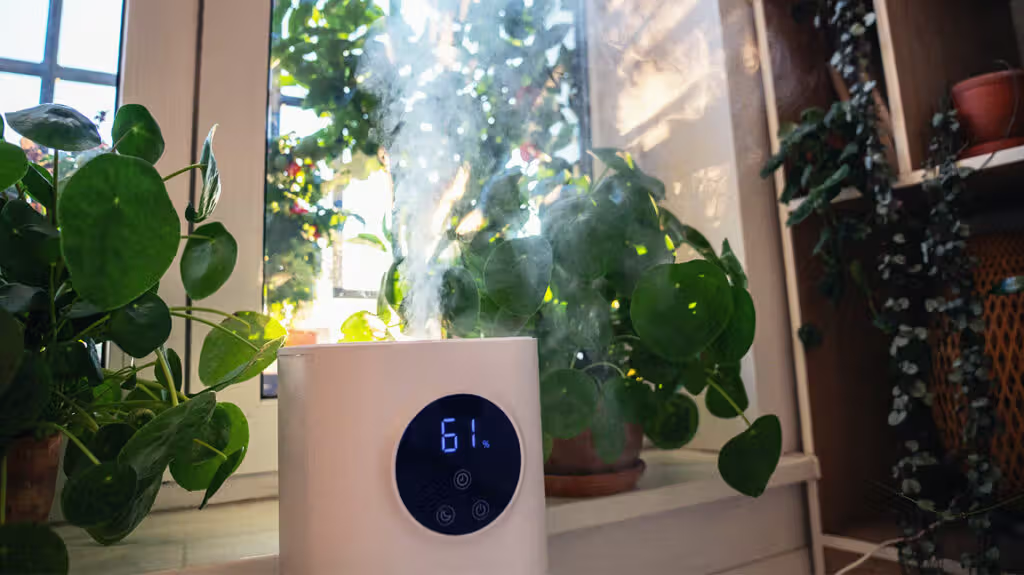
A humidifier, on the other hand, is the comfort specialist. Its job is to add something essential back into the air: moisture. It turns water into a fine mist or vapor, raising the relative humidity to an ideal level, which is generally between 40% and 60%.
When you use them together, you’re creating the ultimate indoor environment: air that is both clean and comfortably hydrated. The benefits are incredible:
- Easier Breathing: Purified air is free of irritants like pollen and dust, while properly humidified air soothes your nasal passages and throat. This combination is a lifesaver for anyone with allergies, asthma, or frequent colds.
- Healthier Skin and Hair: Dry air leaches moisture from your body. A humidifier replenishes it, helping to prevent dry skin, chapped lips, and brittle hair.
- Better Sleep: Say goodbye to waking up with a dry mouth or stuffy nose. The combination of clean, moist air promotes deeper, more restorative sleep.
- Protection for Your Home: Ideal humidity levels help preserve wooden furniture, floors, and even musical instruments by preventing them from drying out and cracking.
The Ultimate Guide: Can You Use a Humidifier and Air Purifier Together?
Now for the main event. Simply running both devices is easy, but optimizing their performance requires a bit of know-how. The secret lies in placement and maintenance.
The Golden Rule: Give Them Space
Bảng trống.This is the single most important factor. You should never place your humidifier and air purifier right next to each other.
Think about it this way: your air purifier is designed to detect and capture airborne particles. Most modern humidifiers, especially ultrasonic models, produce a very fine, cool mist. If that mist is released too close to the purifier, the purifier’s sensors might mistake it for smoke or dust and ramp up to full power unnecessarily. Even worse, the moisture can dampen the air purifier’s filters, making them less effective and potentially leading to mold or mildew growth within the unit itself. That’s the last thing you want when you’re trying to improve your air quality.
The ideal distance is at least 3 to 6 feet (about 1-2 meters) apart. A great strategy is to place them on opposite sides of the room. This allows the humidifier to evenly distribute moisture while the air purifier effectively circulates and cleans the air without interference.
“I always advise my clients to think of it as creating a gentle, circular airflow in the room,” notes Dr. Eleanor Vance, an indoor air quality specialist. “Placing the units apart encourages this flow, allowing each appliance to perform its function optimally without tripping the other one up. It’s a simple adjustment that yields significant results.”
Which Type of Humidifier Works Best with a Purifier?
While any humidifier is better than none, certain types are a more natural fit when paired with an air purifier.
- Evaporative Humidifiers: These are an excellent choice. They use a fan to blow air over a wet wick filter, releasing moisture as an invisible vapor. This process doesn’t produce the “white dust” (mineral deposits from tap water) that other types can, so it’s very gentle on your air purifier’s filters.
- Ultrasonic Humidifiers: These are incredibly popular for their quiet operation and visible cool mist. However, if you use hard tap water, they can release fine mineral dust into the air. An air purifier will capture this dust, but it can cause the filter to clog much faster.
- Warm Mist Humidifiers: These boil water to create steam, which is a great way to kill waterborne bacteria. The vapor they release is pure H2O, so they won’t create mineral dust.
Pro Tip: If you love your ultrasonic humidifier, you don’t have to give it up! The simple solution is to use distilled or demineralized water. This water has had the minerals removed, so you’ll get all the benefits of the cool mist without any of the white dust.
Maintenance: The Secret to a Happy Partnership
Running these two powerhouses together means you need to be diligent about maintenance for both. A dirty humidifier can release mold spores into the air, forcing your air purifier to work overtime and negating all your hard work.
Here’s a simple checklist to keep your air quality dream team in peak condition:
- Daily Humidifier Care: Empty the tank, rinse it, and refill with fresh water. Never let water sit in the tank for days on end.
- Weekly Humidifier Cleaning: Follow the manufacturer’s instructions to descale and disinfect your unit. A solution of water and white vinegar is often recommended for breaking down mineral buildup.
- Check Air Purifier Filters: Your purifier’s filter life may be slightly shorter if it’s capturing mineral dust from a humidifier. Check the filter indicator light and inspect it visually every few weeks.
- Regular Filter Replacement: Always replace your air purifier’s HEPA and carbon filters according to the manufacturer’s schedule. A clogged filter can’t do its job.
Frequently Asked Questions (FAQ)
Here are some quick answers to the most common follow-up questions I get about this powerful duo.
Q1: How far apart should a humidifier and air purifier be?
Place them at least 3-6 feet apart, ideally on opposite sides of the room. This prevents the humidifier’s mist from directly entering the purifier, which can clog the filter and confuse the sensors.
Q2: Will my humidifier ruin my air purifier’s filter?
It can if you’re not careful. An ultrasonic humidifier using hard tap water can release mineral dust that clogs the purifier’s filter prematurely. To avoid this, use an evaporative humidifier or use only distilled water in your ultrasonic model.
Q3: Is it better to get a 2-in-1 combo unit?
While combination units offer convenience, dedicated, standalone devices are almost always more powerful and effective. A separate air purifier will typically have a larger, more robust filtration system, and a separate humidifier will have a greater moisture output capacity.
Q4: Which room benefits most from this combination?
The bedroom is the number one choice. You spend a third of your life there, and the combination of clean, moist air can dramatically improve sleep quality and respiratory health. Home offices and living rooms are also excellent candidates.
Q5: What’s the best order to turn them on?
For continuous use, it doesn’t matter. You can run them simultaneously. If you’re only running them for a short period, it can be slightly beneficial to run the air purifier for 30 minutes first to clean the air of existing dust before adding moisture.
The Takeaway: A Perfect Partnership for Your Health
So, can you use a humidifier and air purifier together? Absolutely. Not only can you, but for many people, you should. By creating an environment that is simultaneously free of particulates and perfectly humidified, you are building a personal sanctuary for your health and well-being.
Just remember the keys to success: give them space, choose the right type of humidifier (or the right type of water), and stay on top of regular maintenance. By following these simple guidelines, you’ll unlock the full potential of these two incredible home appliances and take a massive step toward breathing easier and living better.
Frequently Asked Questions
How far apart should a humidifier and air purifier be placed?
Place your humidifier and air purifier at least 3 to 6 feet apart, ideally on opposite sides of the room. This separation prevents the humidifier's mist from interfering with the purifier's sensors and filters, ensuring both devices operate efficiently.
Will a humidifier damage an air purifier's filter?
An ultrasonic humidifier using hard tap water can release mineral dust that may prematurely clog an air purifier's filter. To prevent this, use an evaporative humidifier or opt for distilled or demineralized water in ultrasonic models, which eliminates mineral dust production.
Are 2-in-1 humidifier and air purifier combo units effective?
While combination units offer convenience, dedicated, standalone humidifiers and air purifiers are generally more powerful and effective. Separate devices typically feature larger filtration systems and greater moisture output capacity, leading to superior performance in improving air quality.
Which room is best for using a humidifier and air purifier combo?
The bedroom is the most beneficial room for using a humidifier and air purifier together, as you spend approximately one-third of your life there. This combination can significantly improve sleep quality and respiratory health, making home offices and living rooms also excellent candidates.
What is the best order to turn on a humidifier and air purifier?
For continuous use, the order of turning them on does not significantly matter; they can run simultaneously. However, if you are running them for a short period, it can be slightly beneficial to operate the air purifier for 30 minutes first to clear existing dust before introducing moisture.
Optimize Humidifier and Air Purifier Performance
To get the best results from using a humidifier and air purifier together, follow these steps for proper placement and maintenance.
Place your humidifier and air purifier at least 3 to 6 feet (about 1-2 meters) apart. Ideally, position them on opposite sides of the room to allow for even moisture distribution and effective air circulation without interference.
Evaporative or warm mist humidifiers are ideal as they don't produce mineral dust. If using an ultrasonic humidifier, always use distilled or demineralized water to prevent mineral deposits from clogging your air purifier's filters.
Empty the humidifier tank, rinse it thoroughly, and refill it with fresh water every day. This prevents stagnant water from becoming a breeding ground for bacteria and mold, which could then be released into the air.
Follow the manufacturer's instructions for weekly descaling and disinfection of your humidifier. A solution of white vinegar and water is often effective for breaking down mineral buildup and ensuring hygienic operation.
Monitor your air purifier's filter indicator light and visually inspect filters every few weeks, especially if using an ultrasonic humidifier with tap water. Replace HEPA and carbon filters according to the manufacturer's recommended schedule to maintain optimal air purification.
Pet products vetted on real animals
Practical specs, not advice. Unsubscribe anytime.
I’ve struggled with dry, stuffy air in my apartment for years, and this really helped me understand how to tackle it. My sinuses feel so much clearer, and I’m not constantly reaching for lotion anymore. The idea of creating an optimal indoor environment by using both devices together really resonated with me, and it works!
This combo has been a game-changer for my sleep quality. I used to wake up feeling congested and dry, but now I feel much more refreshed. I appreciate knowing that I’m simultaneously removing airborne irritants and adding moisture. It’s definitely worth the investment for a healthier indoor environment.
I’ve been using both my air purifier and humidifier in the same room for a few weeks now. While I do notice my throat isn’t as scratchy in the mornings, I’m finding that the humidifier needs refilling almost daily when they’re both running. It’s a bit more maintenance than I expected, even with proper placement.
I was skeptical about running a humidifier and air purifier at the same time, thinking it might be too much or even cancel each other out. But after reading about the benefits, I decided to try it. My seasonal allergies have been so much better this winter, and my skin isn’t nearly as dry. It really does make a difference for easier breathing, especially at night.