When you think of a humidifier, what comes to mind? Probably a cold, dry winter day, with the heating cranked up and the air feeling sharp and static-filled. So, the question, do I need a humidifier in the summer, might seem a little out of place. It’s hot, it’s often sticky outside—why on earth would you need to add more moisture to the air? Well, I’m here, as your dedicated air quality expert from Humidifier Go, to let you in on a little secret: your air conditioner, the hero of summer, might be creating a desert inside your home.Let’s be honest, we couldn’t survive the sweltering summer months without our trusty air conditioning. But here’s the kicker: the very process that cools your home also strips a significant amount of moisture from the air. Think of your AC as a powerful dehumidifier that also happens to cool things down. If you’ve ever woken up with a scratchy throat, dry nose, or itchy skin in the middle of July, your AC is likely the culprit. This is where the conversation about using a humidifier in the summer gets really interesting.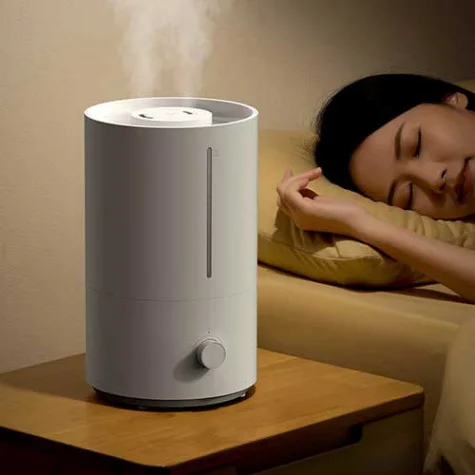
The Sneaky Thief: How Air Conditioning Dries Out Your Home
To understand why you might need a humidifier in the summer, we first need to look at how your air conditioner works. It’s not just blowing cold air; it’s a clever system that pulls warm, humid air from your room, runs it over cold coils, and in doing so, causes the water vapor in the air to condense. That condensation is the water you see dripping from the outdoor unit.The result? Cooler, but significantly drier, indoor air. While this is great for feeling less sticky, it can easily drop your home’s relative humidity below the ideal range of 40% to 60%. When humidity levels dip below 30-40%, you start to experience the same uncomfortable symptoms of dry air that you’d normally associate with winter.
Telltale Signs of Low Summer Humidity
Are you unsure if your AC is turning your home into the Sahara? Here are a few signs to watch for: For shop curated home air on this site.
- A Scratchy Morning Throat: Waking up feeling like you swallowed sandpaper is a classic sign of sleeping in overly dry air.
- Dry, Itchy Skin and Chapped Lips: Your skin needs moisture to stay supple. Dry air pulls that moisture right out, leaving you feeling tight and itchy.
- Nosebleeds and Sinus Irritation: The delicate membranes in your nasal passages can dry out and crack, leading to discomfort and even nosebleeds.
- Increased Static Electricity: Are you getting zapped every time you touch a doorknob? That’s a clear indicator of low humidity.
- Worsening Allergy and Asthma Symptoms: Dry air can irritate your airways and make them more susceptible to dust, pollen, and other airborne allergens that are common in summer.
So, Do I Need a Humidifier in the Summer? The Benefits Say Yes
If you’re nodding along to any of the symptoms above, the answer to do I need a humidifier in the summer is likely a resounding “yes.” Running a humidifier alongside your AC isn’t counterintuitive; it’s about creating a balanced and healthy indoor ecosystem. It’s about restoring the moisture your AC strips away, allowing you to enjoy the cool air without the uncomfortable side effects.Here are the key benefits you can expect:
- Breathe Easier and Healthier: Maintaining optimal humidity keeps your throat and nasal passages moist, helping your body’s natural defense system trap and expel viruses, bacteria, and allergens.
- Soothe Summer Allergies: Many allergens, like pollen and dust mites, thrive in both very dry and very damp conditions. Keeping humidity in the 40-60% sweet spot helps minimize these irritants.
- Get a Better Night’s Sleep: By preventing a dry throat and nose, a humidifier can help reduce snoring and allow for deeper, more restorative sleep. You’ll wake up feeling refreshed, not parched.
- Glow-Up Your Skin: Forget expensive creams for a moment. Proper humidity is one of the best-kept secrets for healthy, hydrated skin. It helps your skin retain its natural moisture, reducing dryness and fine lines.
- Protect Your Home and Furnishings: Dry air can be brutal on wood furniture, floors, and musical instruments, causing them to crack and warp over time. A humidifier helps preserve your valuable belongings.
- Keep Your Houseplants Happy: Your leafy friends will thank you! Many common houseplants are tropical in origin and thrive in more humid conditions.
As Dr. Eleanor Vance, a leading allergist, often notes, “Maintaining balanced indoor humidity is one of the most effective, non-medicinal strategies for managing year-round respiratory health. It’s your first line of defense against airborne irritants, whether it’s dry winter heat or summer air conditioning.”
Choosing Your Summer Ally: The Best Humidifier for Warm Weather
Okay, so you’re convinced. But what kind of home appliance should you choose? When it comes to summer use, there’s a clear winner.
Cool Mist Humidifiers: The Undisputed Summer Champion
Bảng trống.As the name suggests, cool mist humidifiers disperse a room-temperature or cool mist into the air. They don’t add any extra heat to your room, which is exactly what you want when the AC is already working hard. This makes them the perfect partner for your air conditioner. There are two main types:
- Ultrasonic Humidifiers: These are the modern, quiet champs. They use a high-frequency vibrating diaphragm to break water into a super-fine, visible mist. They’re incredibly quiet, making them perfect for bedrooms and offices.
- Evaporative Humidifiers: These are the workhorses. They use a fan to blow air through a wet wick or filter, causing the water to evaporate into the air. They are self-regulating—as the air becomes more humid, the evaporation rate slows down. A bonus is that the filter traps mineral deposits from the water.
What About Warm Mist Humidifiers?
Warm mist humidifiers use a heating element to boil water and release steam. While they are great for winter as they can make a room feel slightly warmer and are effective at killing germs in the water, they are generally not recommended for summer use. Adding steam to an already warm room would be counterproductive and force your AC to work even harder. Save the warm mist for winter colds.
Getting It Just Right: How to Use Your Humidifier Effectively
Using a humidifier isn’t just about plugging it in and forgetting about it. To reap the benefits and avoid potential pitfalls, follow these pro tips.
What is the Ideal Humidity Level for a Home?
The “Goldilocks zone” for indoor humidity is between 40% and 60%. To monitor this, I highly recommend investing in a small, inexpensive device called a hygrometer. Many modern humidifiers even have one built-in (a humidistat) that will automatically shut the unit off when the desired level is reached.
- Below 40%: You’ll experience the dry air symptoms we’ve discussed.
- Above 60%: You risk creating an environment where mold, mildew, and dust mites can thrive. Look for condensation on windows as a sign that humidity is too high.
How Often Should I Clean My Humidifier?
This is the single most important rule of humidifier ownership. A dirty humidifier can do more harm than good by dispersing mold and bacteria into the air. Follow this simple checklist for a healthy home:
- Daily: Empty the tank, rinse it, and wipe it dry before refilling. Never let water sit stagnant in the tank for days on end.
- Weekly (or as recommended by the manufacturer): It’s time for a deep clean.
- Unplug the unit and disassemble it.
- Use a solution of white vinegar and water to soak the tank and other parts to descale any mineral buildup.
- Use a small brush to gently scrub any stubborn residue.
- Rinse all parts thoroughly with clean water to remove any vinegar smell.
- Let all parts air dry completely before reassembling.
A quick tip from my years of experience: Use distilled or demineralized water if you can. Tap water contains minerals that can be released into the air as a fine “white dust” and can also lead to faster buildup inside your machine.
Frequently Asked Questions
1. Can I run a humidifier and an air conditioner at the same time?Absolutely! This is the ideal way to use a humidifier in the summer. The AC cools the air while the humidifier adds back essential moisture, creating a perfectly balanced and comfortable indoor environment.2. What type of humidifier is best for summer?A cool mist humidifier is by far the best choice for summer. Both ultrasonic and evaporative cool mist models work well. They add necessary humidity without adding any unwanted heat to the room.3. Will a humidifier make my room feel hotter or muggy?Not if used correctly. As long as you keep the humidity level within the recommended 40-60% range, it will not feel muggy. In fact, properly humidified air can feel more comfortable at the same temperature than overly dry air.4. Where is the best place to put a humidifier in a room?Place it on a flat, water-resistant surface at least a few feet off the ground, like a dresser or nightstand. This helps the mist disperse evenly. Avoid placing it too close to walls, wooden furniture, or electronics.5. How do I know if I really need a humidifier in the summer?The best way is to use a hygrometer to measure your home’s humidity. If it consistently reads below 40% when your AC is running, a humidifier would be very beneficial. Otherwise, listen to your body—a persistent dry throat, nose, or skin are strong indicators.
The Final Word on Summer Humidity
So, to circle back to our big question: do I need a humidifier in the summer? For many of us who rely on air conditioning, the answer is a surprising but clear yes. It’s not about fighting the heat; it’s about fighting the dryness that comes with it.By reintroducing healthy moisture into your air-conditioned space, you’re investing in better sleep, healthier skin, improved respiratory comfort, and an all-around more pleasant home environment. At Humidifier Go, we believe that controlling your indoor air quality is a year-round journey, and a reliable humidifier is one of your most valuable tools, no matter the season. Listen to your body and your home—they’ll tell you when the air is thirsty.
Frequently Asked Questions
Can I run a humidifier and an air conditioner at the same time?
Yes, running a humidifier and an air conditioner simultaneously is ideal for summer. The AC cools the air while the humidifier restores essential moisture, creating a balanced and comfortable indoor environment without excessive dryness.
What type of humidifier is best for summer use?
A cool mist humidifier is the best choice for summer. Both ultrasonic and evaporative cool mist models effectively add humidity without increasing the room's temperature, making them perfect companions for your air conditioning.
Will a humidifier make my room feel hotter or muggy during summer?
No, a humidifier will not make your room feel hotter or muggy if used correctly. Maintaining indoor humidity within the recommended 40-60% range ensures comfort; properly humidified air can even feel more pleasant at the same temperature than overly dry air.
How do I determine if I need a humidifier in my home during summer?
The best way to determine if you need a humidifier in summer is to use a hygrometer to measure your home's humidity. If readings consistently fall below 40% while your AC is running, or if you experience persistent dry throat, nose, or skin, a humidifier would be beneficial.
Where is the optimal placement for a humidifier in a room?
Place your humidifier on a flat, water-resistant surface, such as a dresser or nightstand, at least a few feet off the ground. This positioning helps the mist disperse evenly throughout the room and prevents moisture damage to nearby walls, wooden furniture, or electronics.
How to Use Your Humidifier Effectively in Summer
To maximize the benefits of your humidifier and prevent issues, follow these essential tips for effective use and maintenance.
Maintain indoor humidity between 40% and 60% using a hygrometer. Levels below 40% cause dry air symptoms, while above 60% can promote mold and mildew growth. Many modern humidifiers include a built-in humidistat for automatic regulation.
Empty the water tank daily, rinse it thoroughly, and wipe it dry before refilling. This prevents stagnant water from becoming a breeding ground for bacteria and mold, ensuring the mist dispersed is clean and healthy.
Unplug and disassemble the unit weekly, or as recommended by the manufacturer. Soak the tank and parts in a white vinegar and water solution to descale mineral buildup, then scrub any residue with a small brush. Rinse all components thoroughly with clean water and allow them to air dry completely before reassembling.
Opt for distilled or demineralized water instead of tap water whenever possible. Tap water contains minerals that can be released into the air as 'white dust' and accelerate mineral buildup inside your humidifier, reducing its efficiency and lifespan.
Pet products vetted on real animals
Practical specs, not advice. Unsubscribe anytime.
I was skeptical about using a humidifier in the summer, especially since it’s already humid outside. However, the point about air conditioners acting like dehumidifiers really resonated. My plants seem happier, and I’ve noticed less static electricity in the house, which is a pleasant surprise.
I got a small humidifier for my bedroom after hearing about the benefits for scratchy throats. It helps a bit, but I find myself refilling it almost every day, which is a bit of a hassle. Maybe I need a larger capacity model, but for now, it’s just okay.
I always thought humidifiers were just for winter, but after reading about how AC dries out the air, I decided to try one. My skin feels so much better, and I’m not waking up with a dry nose anymore. It’s made a noticeable difference in my comfort, especially with the AC running constantly.
This is a game-changer! I used to think humidifiers were only for cold, dry winter days. But my AC was making my indoor air feel so dry and sharp. Adding a humidifier has made my home feel so much more comfortable and less like a desert. Definitely recommend trying it out.