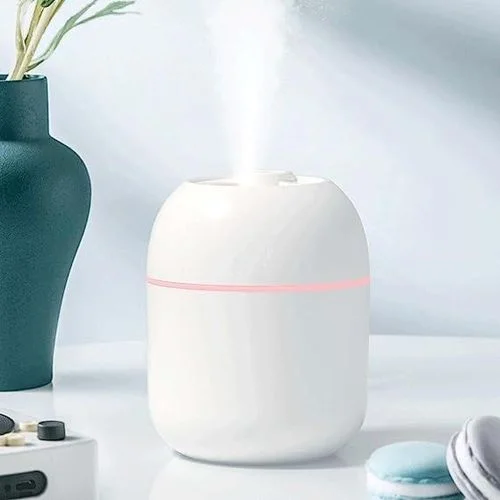
Using a humidifier for indoor plants significantly improves their health and growth by mimicking their natural tropical habitats, preventing common issues like crispy leaves, and encouraging lush foliage. Most houseplants thrive in relative humidity levels between 40% and 60%, which household humidifiers can effectively maintain, especially in dry indoor environments caused by heating and air conditioning systems. This simple appliance can transform a struggling plant collection into a vibrant indoor garden.
Why Your Indoor Plants Are Secretly Craving Humidity
Ever felt that dry, scratchy throat feeling during winter when the heating is on full blast? Your plants feel that, too, but all over their leaves. Most of our favorite houseplants—think Monsteras, Ferns, and Orchids—hail from tropical rainforests where humidity is consistently high. Our modern homes, with central heating and air conditioning, are often as dry as a desert in comparison.
This dry air forces plants to lose water faster through a process called transpiration. Think of it like a plant “sweating” to cool itself down. When the air is too dry, they transpire excessively, leading to stress and a host of problems.
Here’s why introducing a humidifier is like giving your plants a spa day, every day:
- Prevents Crispy, Brown Leaf Tips: This is the most common cry for help from a humidity-starved plant. A humidifier provides the moisture they need to keep their foliage lush and green from stem to tip.
- Encourages Larger, Healthier Leaves: When a plant isn’t constantly fighting dehydration, it can focus its energy on growth. The result? Bigger, more vibrant leaves that truly make a statement.
- Mimics Their Natural Habitat: You’re essentially recreating the steamy jungle environment they were born to thrive in. This reduces plant stress and helps them feel right at home.
- Deters Pests: Annoying pests like spider mites absolutely love dry conditions. By raising the ambient humidity, you create an environment that’s far less inviting for these unwelcome guests.
Choosing the Right Humidifier for Your Green Friends
Walking into the world of humidifiers can feel a bit overwhelming, I get it. Cool mist, warm mist, ultrasonic, evaporative… what does it all mean for your plants? Let’s break it down in simple terms.
Cool Mist vs. Warm Mist: Does it Matter for Plants?
Honestly, your plants don’t have a preference for the temperature of the mist. However, for a home with pets or children, a cool mist humidifier is generally the safer and more popular choice as there’s no risk of burns from a hot water reservoir. They are also typically more energy-efficient, which is a nice bonus for your electricity bill. Warm mist units use a heating element to boil water, which can slightly increase the room’s temperature, but the difference is usually negligible for plants.
Ultrasonic vs. Evaporative: The Tech Breakdown
Bảng trống.This is the most significant choice you’ll make.
- Ultrasonic Humidifiers: These are the quiet ninjas of the humidifier world. They use high-frequency vibrations to break water into a super-fine, visible mist. They are incredibly quiet, which is perfect for living rooms and bedrooms. The one major consideration is that if you use hard tap water, they can produce a fine “white dust” (mineral deposits) that settles on furniture and plant leaves.
- Evaporative Humidifiers: These devices are more old-school but very effective. They use a fan to blow air through a wet wick filter, causing the water to evaporate naturally into the air. They are self-regulating—meaning they won’t over-humidify a room—and they don’t produce white dust. The downside? They can be a bit noisier due to the fan, and you’ll need to replace the filter periodically.
How Big of a Humidifier Do I Need?
The right size depends on your space and the size of your plant collection. For a small cluster of plants on a desk or shelf, a personal or small tabletop humidifier (around 0.5 gallons) will do the trick. For a medium-sized “plant corner” in your bedroom or a small living room, look for a model with a 1 to 2-gallon capacity. If you’re aiming to create an indoor jungle in a large, open-plan space, you might consider a larger console unit.
Mastering the Art of Using a Humidifier for Indoor Plants
So you’ve got your new humidifier. Now what? Proper setup and use are crucial for reaping the rewards without creating new problems. Think of it as finding the perfect balance—the sweet spot for a thriving indoor ecosystem.
What is the Ideal Humidity Level for Indoor Plants?
The ideal humidity range for most common houseplants is between 40% and 60%. Some fussy tropicals, like Calatheas and Ferns, will be even happier if you can push it closer to 70%. The best way to know for sure is to invest in a simple, inexpensive tool called a hygrometer. It measures the relative humidity in the air, taking all the guesswork out of the equation.
Where Should I Place My Humidifier?
Placement is everything! A common mistake I see is placing the humidifier right next to a plant, where the mist constantly settles on the leaves. This can lead to fungal issues.
“To truly benefit your plants, you want to increase the ambient humidity of the entire area, not just drench a single leaf,” notes Dr. Alistair Finch, a botanist and author of The Urban Jungle Handbook. “Place the unit several feet away from your plants, allowing the moist air to circulate and envelop them naturally.”
Aim for a central location among your plant grouping, ensuring the mist disperses into the air and not directly onto foliage, walls, or furniture.
What Kind of Water Should I Use in My Humidifier?
This is one of the most important questions, especially if you have an ultrasonic model.
- Tap Water: While convenient, it often contains high levels of minerals. In an ultrasonic humidifier, these minerals get dispersed as fine white dust. While mostly harmless, it can clog the plant’s pores (stomata) over time.
- Distilled or Demineralized Water: This is the gold standard. Since all the minerals have been removed, you won’t get any white dust, and it’s much better for the longevity of your machine. It’s a small extra step that makes a big difference for both your plants and your home appliance.
Keeping It Clean: The Non-Negotiable Humidifier Rule
A dirty humidifier is worse than no humidifier at all. A stagnant, uncleaned water tank can become a breeding ground for mold and bacteria, which are then pumped into the air you and your plants breathe. It’s not worth the risk. The EPA strongly recommends regular cleaning to ensure your device is improving your air quality, not harming it.
Here is a simple checklist for keeping your unit pristine:
- Daily: Empty the tank, rinse it thoroughly, and wipe it dry before refilling with fresh water. Never let water sit in the tank for more than a day.
- Weekly: Perform a deeper clean. Disassemble the unit according to the manufacturer’s instructions. Use a solution of white vinegar and water (a 1:1 ratio is a good start) to soak the tank and other components for about 20-30 minutes to dissolve any mineral buildup.
- Rinse Thoroughly: After soaking, rinse all parts with clean water until the vinegar smell is gone. Let everything air dry completely before reassembling.
Frequently Asked Questions
How close should the humidifier be to my plants?
A good rule of thumb is to place it at least 3-5 feet away. You want the mist to evaporate into the air around the plants to raise the overall humidity, not to land directly on the leaves as water droplets.
Can I run a humidifier 24/7 for my plants?
You can, but it’s often not necessary. The best approach is to use a hygrometer to monitor the room’s humidity. Many modern humidifiers have a built-in humidistat that automatically turns the unit on and off to maintain your desired humidity level, which is both effective and energy-efficient.
What are the signs my plants need more humidity?
Look for crispy brown edges or tips on the leaves, yellowing leaves, slow or stunted growth, and flowers that shrivel or drop prematurely. These are all classic signs that the air is too dry.
Does a humidifier really help with spider mites?
Yes, absolutely. Spider mites thrive in hot, dry, and stagnant air. Increasing the humidity and improving air circulation makes the environment far less hospitable for them, acting as a powerful preventative measure.
Is a cool mist or warm mist humidifier better for plants?
For your plants, there is no significant difference in the benefit they receive. For this reason, a cool mist humidifier is almost always the recommended choice due to its lower energy consumption and increased safety, especially in households with children or pets.
Your Journey to a Greener Home Starts Now
Bringing a humidifier into your home is more than just buying another gadget; it’s an investment in the health and beauty of your indoor garden. It’s about providing an environment where your plants don’t just survive, but truly flourish. From preventing those dreaded crispy leaves to encouraging robust new growth, the benefits are clear.
By following these simple guidelines, you can confidently take the next step in your plant parent journey. So go ahead, give your green companions the air they’ve been dreaming of. You’ll be amazed at the difference using a humidifier for indoor plants can make.
Frequently Asked Questions
How close should the humidifier be to my plants?
Place your humidifier at least 3-5 feet away from your plants. This distance allows the mist to evaporate into the ambient air, increasing overall humidity without directly drenching the leaves, which can lead to fungal issues.
Can I run a humidifier 24/7 for my plants?
While possible, running a humidifier 24/7 is often unnecessary. The best approach is to use a hygrometer to monitor the room's humidity and aim for 40-60% relative humidity. Many modern humidifiers feature a built-in humidistat that automatically maintains your desired humidity level, optimizing both plant health and energy efficiency.
What are the signs my plants need more humidity?
Signs your plants need more humidity include crispy brown edges or tips on leaves, yellowing foliage, stunted growth, and flowers that shrivel or drop prematurely. These symptoms indicate that the air is too dry for the plant to thrive.
Does a humidifier really help with spider mites?
Yes, a humidifier can significantly help deter spider mites. These pests thrive in hot, dry, and stagnant air conditions. Increasing the ambient humidity and improving air circulation creates an environment that is far less hospitable for spider mites, acting as an effective preventative measure.
Is a cool mist or warm mist humidifier better for plants?
For the plants themselves, there is no significant difference in the benefits provided by cool mist versus warm mist humidifiers. However, a cool mist humidifier is generally recommended due to its lower energy consumption and increased safety, especially in households with children or pets, as there is no risk of burns.
How to Use a Humidifier for Indoor Plants
Properly set up and maintain your humidifier to create an ideal environment for your indoor plants, ensuring they thrive and avoid common humidity-related issues.
Most houseplants thrive in 40-60% relative humidity; some tropicals prefer up to 70%. Use a hygrometer to accurately measure the humidity in your plant area and adjust your humidifier settings accordingly to meet these needs.
Place the humidifier several feet away from your plants, ideally in a central location among your plant grouping. This allows the moist air to circulate and increase ambient humidity without directly drenching foliage, which can lead to fungal problems.
For ultrasonic humidifiers, always use distilled or demineralized water to prevent white dust (mineral deposits) from settling on furniture and plant leaves. Tap water, rich in minerals, can clog plant pores and reduce machine longevity.
Empty the water tank daily, rinse it thoroughly, and wipe it dry before refilling with fresh water. Never let water sit in the tank for more than 24 hours to prevent mold and bacteria growth, which can be harmful to both plants and humans.
Disassemble the unit weekly according to manufacturer instructions. Soak the tank and components in a 1:1 solution of white vinegar and water for 20-30 minutes to dissolve mineral buildup. Rinse all parts thoroughly with clean water and air dry completely before reassembling.
Pet products vetted on real animals
Practical specs, not advice. Unsubscribe anytime.
I’ve always struggled with my Monstera’s leaves getting crispy edges, especially in the winter. After reading about how much tropical plants crave humidity, I finally invested in a small humidifier for my plant corner. What a difference! My Monstera looks so much happier, and even my ferns are thriving. It really does help mimic their natural habitat.
I got a humidifier specifically for my orchid collection after noticing some of the aerial roots looking a bit dry. It’s been great for keeping the humidity levels around 50%, which seems to be the sweet spot. I’m seeing new growth and the flowers are lasting longer. My only minor complaint is having to refill it every day, but it’s worth it for healthy plants.
This guide was spot on about how central heating dries out the air. My peace lily was constantly drooping, and I couldn’t figure out why. Adding a humidifier to the room has completely turned things around. The leaves are lush and green again, and it’s even started blooming more frequently. It’s a simple appliance that makes a huge impact.
I tried using a humidifier for my houseplants, particularly my calatheas that always seem to struggle. While it did help with some of the leaf curling, I found it made my windowsills a bit damp, even on the lowest setting. I’m still experimenting with placement to avoid any moisture issues on my furniture. It’s not a magic bullet for every dry environment.