It’s 2 AM. You’re jolted awake by that dry, raspy cough coming from the nursery. Your heart sinks. Your little one is congested, uncomfortable, and struggling to sleep. You’ve heard a humidifier can be a major upgrade, but a quick search plunges you into a confusing debate: warm mist vs cool mist for baby. Which one is safer? Which is more effective? Don’t worry, you’re in the right place. As the voice of Humidifier Go, I’ve helped countless parents navigate this exact decision. Let’s clear the air, literally, and find the perfect solution to help your baby (and you!) breathe easier.
First, Why Does Your Baby Even Need a Humidifier?
Before we dive into the great mist debate, let’s quickly cover why this little appliance is such a nursery essential. Dry air, whether from winter heating or summer air conditioning, can be tough on a baby’s tiny, sensitive respiratory system. For explore our home air reviews on this site.
Think of it this way: dry air is like a sponge, pulling moisture from wherever it can—including your baby’s nasal passages and skin. This can lead to:
- Increased Congestion: Dry nasal passages can’t effectively clear mucus, leading to stuffiness and discomfort.
- Irritated Throat & Cough: That tickle in the throat gets worse when the air is parched.
- Dry, Itchy Skin: Conditions like baby eczema can be exacerbated by low humidity.
- Nosebleeds: Delicate nasal membranes can crack and bleed in dry conditions.
- Longer-Lasting Colds: Viruses tend to thrive and travel more easily in dry air.
A good humidifier puts that much-needed moisture back into the air, creating a more comfortable and healthier environment.
The Contenders: A Deep Dive into Cool Mist Humidifiers
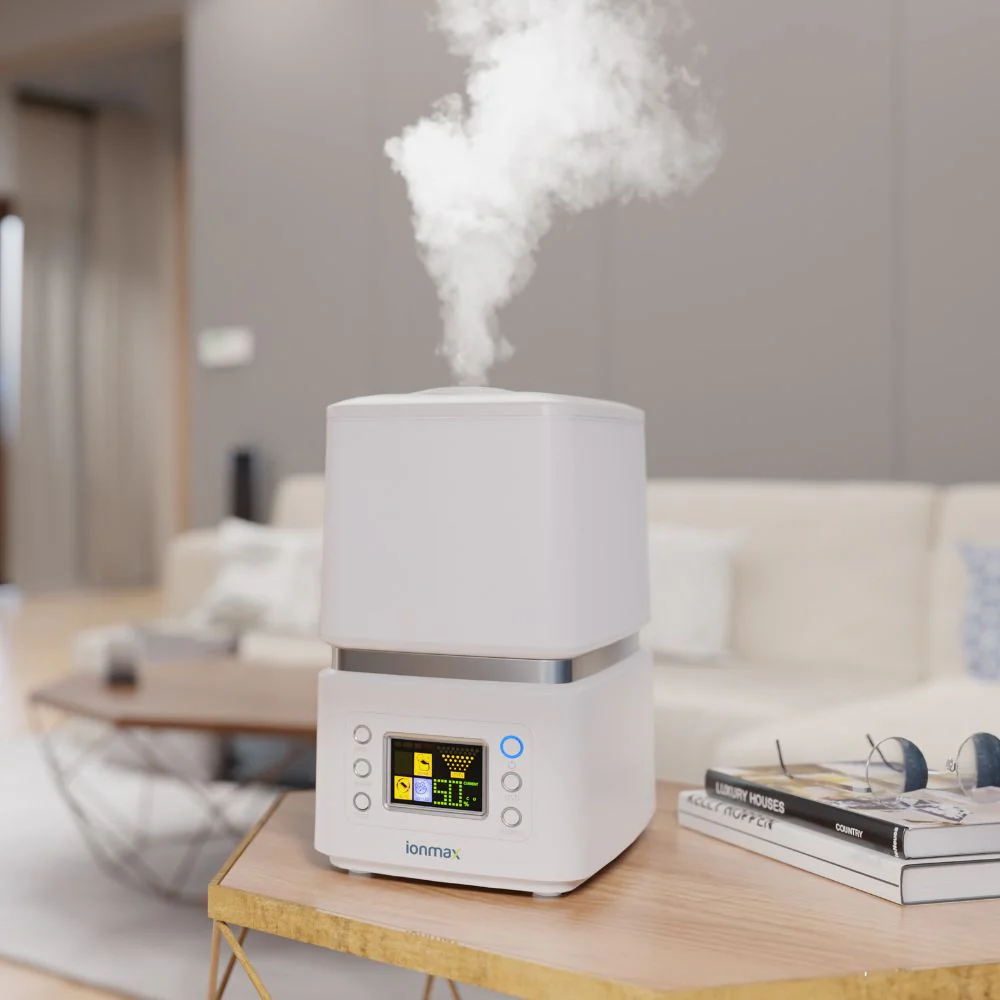
Cool mist humidifiers are, by far, the most popular choice for nurseries, and for very good reason. They work by dispersing a room-temperature mist into the air. But how do they do it? There are generally two types you’ll encounter.
How They Work: Ultrasonic vs. Evaporative
- Ultrasonic Models: These are the quiet ninjas of the humidifier world. They use a small, metal diaphragm that vibrates at an ultrasonic frequency (way too high for us to hear). This vibration breaks down water into a super-fine, visible mist that is then quietly fanned out into the room. They are incredibly quiet, which is a huge plus for a sleeping baby.
- Evaporative Models: These work a bit more like nature. They use a fan to blow air through a wet wick filter. The air picks up moisture as it passes through, and then a cool, invisible vapor is released. They are generally self-regulating—as the air gets more humid, it becomes harder for them to add more moisture.
The Pros of a Cool Mist Humidifier for Babies
- Safety First: This is the number one reason pediatricians and the American Academy of Pediatrics (AAP) recommend cool mist models for children. Because they don’t use a heating element, there is zero risk of burns. A curious toddler can’t accidentally tip it over and scald themselves. This peace of mind is priceless.
- Energy Efficiency: Since they aren’t boiling water, cool mist humidifiers typically use less electricity than their warm mist counterparts, which can be a nice bonus for your utility bill.
- Better for Larger Spaces: The mist from these units often travels further, making them a good option for larger nurseries or open-plan living areas.
The Cons to
- Maintenance is Key: Because the water isn’t boiled, any bacteria or mold present in the tank can be dispersed into the air. This makes daily rinsing and weekly cleaning absolutely non-negotiable.
- Slight Room Cooling: They can make a room feel slightly cooler. This is often a welcome benefit in warmer months or climates but might be a slight drawback in a chilly winter room.
Getting Cozy: Understanding the Warm Mist Humidifier
Warm mist humidifiers, also known as steam vaporizers, do exactly what their name implies: they release a warm, soothing mist. They feel cozy and have a reputation for helping with cold symptoms, but they come with a major caveat for households with children.
How They Work: Simple and Effective
The mechanism is straightforward. A heating element inside the unit boils the water, just like a kettle. This creates a pure, warm steam that is released into the room. It’s a simple, time-tested technology.
The Benefits of Warm Mist
- Healthier Mist: The boiling process kills most waterborne bacteria, mold, and mineral deposits before they ever become airborne. This ensures the steam being released is exceptionally clean.
- Soothing Comfort: The warm mist can feel particularly comforting for a child with a chesty cough or cold, creating a cozy, spa-like feeling in the room.
- Slightly Quieter: Many warm mist models are very quiet, with just a gentle, gurgling sound as the water boils.
- Can Be Used with Medicated Inhalants: Some models have special cups or compartments where you can add medicated vapors (always check with your doctor first!).
The Major Safety Consideration
- The Burn Risk: This is the deal-breaker for most parents. The water inside a warm mist humidifier is boiling hot. If a child were to knock it over or get too close to the steam vent, it could cause serious burns. For this reason, they are generally not recommended for use in a baby’s or young child’s room.
The Big Showdown: Warm Mist vs Cool Mist for Baby
So, let’s put them head-to-head in the categories that matter most to parents.
| Feature | Cool Mist Humidifier | Warm Mist Humidifier |
|---|---|---|
| Safety for Baby | Winner. No heating element, zero risk of burns. | High burn risk from hot water and steam. Not recommended. |
| Germs & Bacteria | Requires diligent, regular cleaning to prevent dispersal. | Winner. Boils water, killing germs before dispersal. |
| Cleaning Effort | High. Must be cleaned weekly with vinegar or a solution. | Moderate. Less bacterial growth, but mineral buildup (scale) can be an issue. |
| Energy Use | Winner. More energy-efficient as it doesn’t heat water. | Uses more electricity to boil water continuously. |
| Room Temperature | Can slightly cool the room. | Winner. Can make a room feel cozier and slightly warmer. |
| The Verdict | The overwhelming choice for nurseries and kids’ rooms due to the critical safety factor. | Best reserved for adult bedrooms or situations where children have absolutely no access. |
As Dr. Amelia Harper, a leading pediatrician, often states, “When it comes to a baby’s environment, we must always prioritize safety above all else. While both types of humidifiers can effectively add moisture to the air, the potential for a serious burn from a warm mist unit makes the cool mist humidifier the only responsible choice for a child’s room.”
Beyond the Mist: Essential Humidifier Tips for Parents
Choosing between warm mist vs cool mist for baby is just the first step. To truly get the benefits, you need to use your humidifier correctly. I’ve seen it all, and these are the non-negotiable tips for every parent.
What kind of water should I use in my humidifier?
This is a fantastic question. While you can use tap water, it often contains minerals that can be dispersed as a fine “white dust.” This dust can settle on furniture and, more importantly, be inhaled. For the purest mist, distilled or demineralized water is your best bet. It’s a small extra step that makes a big difference for your home’s air quality.
How often should I clean my humidifier?
You should clean it far more often than you think. A dirty humidifier can do more harm than good. Follow this simple routine, recommended by the EPA (Environmental Protection Agency):
- Every Day: Empty the tank, wipe it dry, and refill it with fresh water. Never let water sit in the tank for days on end.
- Every Week (or as per manufacturer’s instructions):
- Unplug the unit and disassemble it.
- Fill the base and/or tank with a solution of white vinegar and water. Let it soak for 20-30 minutes to dissolve any mineral buildup.
- Use a small brush (many humidifiers come with one) to scrub any nooks and crannies.
- Rinse all parts thoroughly with clean water to remove the vinegar smell.
- Let all parts air dry completely before reassembling.
Where is the best place to put the humidifier in the nursery?
Place it on a flat, waterproof surface, like a dresser or a small table, at least a few feet away from the crib. You want the mist to disperse into the room, not directly onto your baby or the bedding, which can make them damp and chilly. Also, ensure the cord is tucked away safely, well out of your baby’s reach.
Frequently Asked Questions
Can a humidifier make my baby’s cough worse?
If a humidifier is dirty and disperses mold or bacteria, it can certainly irritate the lungs and worsen a cough. However, a clean humidifier providing proper humidity (between 40-60%) almost always helps a cough by soothing irritated airways and loosening congestion.
What is the ideal humidity level for a baby’s room?
The sweet spot for comfort and health is between 40% and 60% humidity. Too low, and you get the problems of dry air. Too high, and you can create an environment where mold and dust mites thrive. A simple, inexpensive device called a hygrometer can help you monitor the levels accurately.
Is it safe to run a humidifier all night for a baby?
Yes, it is perfectly safe to run a cool mist humidifier all night, provided you are following all safety and cleaning guidelines. Nighttime is often when congestion feels worst, so running it continuously can provide significant relief and promote better sleep.
Should I add essential oils to my baby’s humidifier?
Absolutely not. Unless the humidifier is specifically designed as an essential oil diffuser, adding oils can damage the unit’s plastic components. More importantly, many essential oils are not safe for babies to inhale and can cause respiratory distress. Always consult your pediatrician before using any scents around your baby.
For a baby’s stuffy nose, which is better: warm mist or cool mist?
Both can help a stuffy nose by adding moisture to the air and thinning mucus. However, due to the significant burn risk associated with warm mist models, a cool mist humidifier is always the recommended choice for addressing a baby’s stuffy nose. The effectiveness is comparable, but the safety of cool mist is unmatched.
The Final Word from Humidifier Go
Navigating the world of baby gear can feel overwhelming, but when it comes to the warm mist vs cool mist for baby debate, the answer is refreshingly clear. For the health and safety of your little one, a cool mist humidifier is the hands-down winner. Its ability to soothe congestion and ease dry skin without any risk of burns gives parents the peace of mind they deserve.
a humidifier isn’t a “set it and forget it” appliance. By choosing the right type, using distilled water, and committing to a regular cleaning schedule, you are creating more than just a comfortable room—you’re building a healthier haven for your baby to grow and thrive. Breathe easy, you’ve got this.
Frequently Asked Questions
Can a humidifier make my baby's cough worse?
A dirty humidifier dispersing mold or bacteria can irritate lungs and worsen a cough. However, a clean humidifier maintaining 40-60% humidity typically helps soothe irritated airways and loosen congestion, improving cough symptoms.
What is the ideal humidity level for a baby's room?
The optimal humidity level for a baby's room is between 40% and 60%. This range prevents dry air issues while avoiding excessive humidity that can promote mold and dust mite growth. A hygrometer can accurately monitor these levels.
Is it safe to run a humidifier all night for a baby?
Yes, it is perfectly safe to run a cool mist humidifier all night for a baby, provided all safety and cleaning guidelines are followed. Continuous use during the night can significantly relieve congestion and promote better sleep when symptoms are often worst.
Should I add essential oils to my baby's humidifier?
No, you should not add essential oils to a baby's humidifier unless the unit is specifically designed as an essential oil diffuser. Many essential oils are unsafe for babies to inhale and can cause respiratory distress, and they can also damage the humidifier's plastic components.
For a baby's stuffy nose, which is better: warm mist or cool mist?
Both warm and cool mist humidifiers can help a baby's stuffy nose by adding moisture to the air and thinning mucus. However, due to the significant burn risk associated with warm mist models, a cool mist humidifier is always the recommended and safer choice for infants.
How to Properly Use and Clean a Baby Humidifier
Ensure your baby's humidifier is safe and effective by following these essential usage and cleaning steps, recommended by the EPA.
For the purest mist and to prevent 'white dust' from mineral deposits, always use distilled or demineralized water in your humidifier. This small step significantly improves air quality and reduces potential inhalation of mineral particles.
Every day, empty any remaining water from the humidifier tank, wipe it dry, and refill it with fresh water. Never let water sit in the tank for extended periods, as this can encourage bacterial growth.
At least once a week, unplug and disassemble the unit. Fill the base and/or tank with a solution of white vinegar and water, letting it soak for 20-30 minutes to dissolve mineral buildup. Scrub all parts with a small brush, rinse thoroughly to remove vinegar smell, and allow them to air dry completely before reassembling.
Place the humidifier on a flat, waterproof surface, such as a dresser or table, several feet away from the crib. Ensure the mist disperses into the room and not directly onto your baby or bedding. Always tuck the power cord safely out of your baby's reach to prevent accidents.
Pet products vetted on real animals
Practical specs, not advice. Unsubscribe anytime.
I was so torn between warm and cool mist for my newborn’s nursery. After reading up on the safety aspects, I went with a cool mist humidifier and it’s been a game-changer. Her little coughs have definitely lessened, especially during the dry winter months. It’s quiet and easy to refill, which is a huge plus for those middle-of-the-night checks.
My baby always gets so stuffy when the air conditioning is running, and I was looking for something to help her breathe easier at night. The cool mist option was perfect for our situation. It’s made a noticeable difference in her sleep quality, and I appreciate not having to worry about any heat in the nursery. Just remember to clean it regularly!
With two little ones, we’ve dealt with plenty of dry air issues and those awful raspy coughs. We’ve used a cool mist humidifier for both kids, and it’s been incredibly effective. It really helps keep their tiny respiratory systems from getting too irritated, especially during allergy season. Definitely a nursery essential in our house.
We got a warm mist humidifier for our toddler when he had a bad cold, hoping it would help with his congestion. While it did seem to offer some relief, I found myself constantly worried about the hot water and the potential for burns. It also needed more frequent cleaning than I expected to prevent mineral buildup. Next time, I might try a cool mist for less hassle.