Welcome to Humidifier Go, where we believe breathing better is living better. If you’ve ever woken up with a scratchy throat, dealt with dry, itchy skin in the winter, or noticed your favorite wooden furniture starting to crack, you’ve felt the effects of dry air. A humidifier is the perfect solution, but a crucial question often stops people in their tracks: What Size Humidifier Do I Need? Choosing the right one isn’t just about picking a model you like; it’s about finding the perfect fit for your space to achieve that sweet spot of comfortable, healthy air. Getting it wrong can mean an ineffective unit or, worse, a room that feels like a swamp.
I’ll never forget the constant static shocks and stuffy nose I endured in my first apartment during the winter. It wasn’t until I invested in the right-sized humidifier that I realized what I’d been missing. Let’s walk through everything you need to know to make the perfect choice, transforming your home into an oasis of comfort.
Why Does Humidity Even Matter?
Before we dive into sizing, let’s quickly touch on why this is so important. Think of your home’s air like a sponge. When it’s too dry, it tries to soak up moisture from wherever it can—your skin, your nasal passages, your plants, and even your wood floors. The ideal indoor humidity level, as recommended by health experts, is between 40% and 60%.
Maintaining this balance offers incredible benefits:
- Respiratory Relief: Soothes dry nasal passages, reducing snoring, and alleviating symptoms of colds, allergies, and asthma.
- Healthier Skin and Hair: Helps your skin and hair retain their natural moisture, preventing dryness and irritation.
- Protects Your Home: Prevents wood furniture, floors, and musical instruments from cracking and warping.
- Reduces Airborne Viruses: Studies have shown that proper humidity levels can reduce the infectivity of airborne flu viruses.
- Improved Comfort: Eliminates annoying static electricity and helps the air feel warmer in the winter.
As Dr. Eleanor Vance, an indoor air quality specialist, often states, “Maintaining proper humidity is one of the most overlooked yet simplest ways to create a healthier indoor environment. It’s your first line of defense against many common respiratory irritants.”
A Quick Look at Humidifier Types
Humidifiers generally come in a few main flavors, and understanding them helps in your decision-making process.
- Ultrasonic Humidifiers: These use a high-frequency vibrating diaphragm to create a super-fine, cool mist. They are incredibly quiet, making them a fantastic choice for bedrooms and offices.
- Evaporative Humidifiers: These use a fan to blow air through a moistened wick or filter. They are self-regulating—as the air’s humidity increases, the evaporation rate naturally slows down. This makes them great at preventing over-humidification.
- Warm Mist Humidifiers (Vaporizers): These boil water to create a warm, soothing steam. The boiling process kills most waterborne bacteria and minerals, producing a pure mist. They can also make a room feel slightly warmer, which is a nice bonus in the winter.
The Main Event: What Size Humidifier Do I Need?
Okay, let’s get to the heart of the matter. The number one factor in determining the right size is the square footage of the room you want to humidify. Using a humidifier that’s too small is like trying to fill a swimming pool with a teaspoon—it’s just not going to work. Conversely, one that’s too big can lead to condensation on windows and even mold growth.
Humidifier capacity is typically measured in how many gallons of water it can disperse into the air over a 24-hour period. Manufacturers usually categorize them into sizes.
Small Humidifiers (For rooms up to 300 sq. ft.)
- Best for: Nurseries, home offices, small bedrooms, or dorm rooms.
- Typical Output: Around 1-2 gallons per day.
- What to Look For: These are often called “personal” or “tabletop” models. They’re compact, portable, and usually have smaller water tanks that require daily refilling. An ultrasonic model is a great choice here for its near-silent operation, ensuring it won’t disturb sleep or work.
Medium Humidifiers (For rooms from 300 to 499 sq. ft.)
- Best for: Master bedrooms, living rooms, or mid-sized kitchens.
- Typical Output: Around 2-3 gallons per day.
- What to Look For: These units offer a good balance of performance and size. They have larger tanks, meaning you might only need to refill them every other day. Look for features like an adjustable humidistat, which automatically turns the unit on and off to maintain your desired humidity level.
Large Humidifiers (For rooms from 500 to 999 sq. ft.)
- Best for: Large living areas, open-plan apartments, or great rooms.
- Typical Output: 3-4 gallons or more per day.
- What to Look For: These are robust “console” style units. They often have very large tanks (or multiple tanks) and are designed to humidify a significant area. While bigger, many are on wheels for easier placement. An evaporative console model is often a smart choice here due to its powerful, self-regulating output.
Whole-House Humidifiers (For spaces 1,000 sq. ft. and up)
- Best for: Humidifying an entire home efficiently.
- Typical Output: 7-14+ gallons per day.
- What to Look For: These units are the ultimate solution for combating dry air throughout your home. There are two main types: large console units that can handle massive spaces, or units that integrate directly into your home’s HVAC system. The latter is a more permanent, set-it-and-forget-it solution that provides consistent humidity everywhere.
Here is a simple table to guide you:
| Room Size (sq. ft.) | Recommended Humidifier Size | Example Spaces |
|---|---|---|
| Up to 300 | Small / Tabletop | Bedroom, Office, Nursery |
| 300 – 499 | Medium | Master Bedroom, Living Room |
| 500 – 999 | Large / Console | Great Room, Open-Concept Area |
| 1,000+ | Whole-House | Entire Apartment or Small Home |
Beyond Square Footage: Other Key Factors
While room size is the biggest piece of the puzzle, a few other factors can influence your choice.
- Ceiling Height: If you have high or vaulted ceilings, your room’s volume is larger than the square footage suggests. Consider sizing up to the next category to compensate.
- Climate: Do you live in an arid desert climate or a region with bitterly cold, dry winters? If so, you’ll need a more powerful unit to combat the extreme lack of ambient moisture.
- Home Insulation: An older, drafty home will lose moisture to the outside air more quickly than a modern, well-sealed one. You may need a slightly larger humidifier to keep up.
How to Use and Maintain Your Humidifier
Choosing the right size is step one; using it correctly is step two. Proper maintenance is non-negotiable for ensuring your unit runs efficiently and, most importantly, safely. A dirty humidifier can become a breeding ground for mold and bacteria.
Follow these steps, as recommended by agencies like the U.S. Environmental Protection Agency (EPA):
- Use the Right Water: Whenever possible, use distilled or demineralized water. Tap water contains minerals that can create a fine white dust, settle on furniture, and be inhaled.
- Change the Water Daily: Don’t let water sit in the tank for days. Empty the tank, wipe it dry, and refill it with fresh water each day you use it. This prevents film and microbial growth.
- Clean it Regularly: Aim for a deep clean every 3-7 days, depending on usage.
- Unplug the unit.
- Disassemble any removable parts.
- Use a solution of white vinegar and water (or a manufacturer-recommended cleaning solution) to soak the tank and other components to dissolve mineral buildup.
- Use a small brush to scrub away any stubborn residue.
- Rinse all parts thoroughly with clean water and let them air dry completely before reassembling.
- Replace Filters as Needed: If you have an evaporative model, check the wick filter regularly. A dirty, crusty filter won’t work effectively and can harbor germs. Replace it according to the manufacturer’s instructions.
Frequently Asked Questions (FAQ)
Here are some common questions we get at Humidifier Go.
1. Can a humidifier be too big for a room?
Yes, absolutely. An oversized humidifier can release too much moisture too quickly, leading to condensation on windows, damp spots on walls or carpet, and potentially promoting mold and dust mite growth. It’s all about finding that “just right” balance.
2. Should I get a cool mist or warm mist humidifier?
This often comes down to personal preference. Cool mist models are generally safer for homes with children and pets (no risk of burns) and tend to be better for larger areas. Warm mist models are great for killing germs in the water and can make a room feel cozier, which is ideal during cold and flu season.
3. How often should I clean my humidifier?
You should rinse and refill your humidifier with fresh water daily. A thorough cleaning to disinfect the unit and remove mineral scale should be done at least once a week, or more frequently if you use it constantly.
4. What kind of water is best for my humidifier?
Distilled or demineralized water is the gold standard. It lacks the minerals found in most tap water, which prevents the release of “white dust” and reduces mineral buildup inside the machine, making cleaning much easier.
5. Where is the best place to put a humidifier in a room?
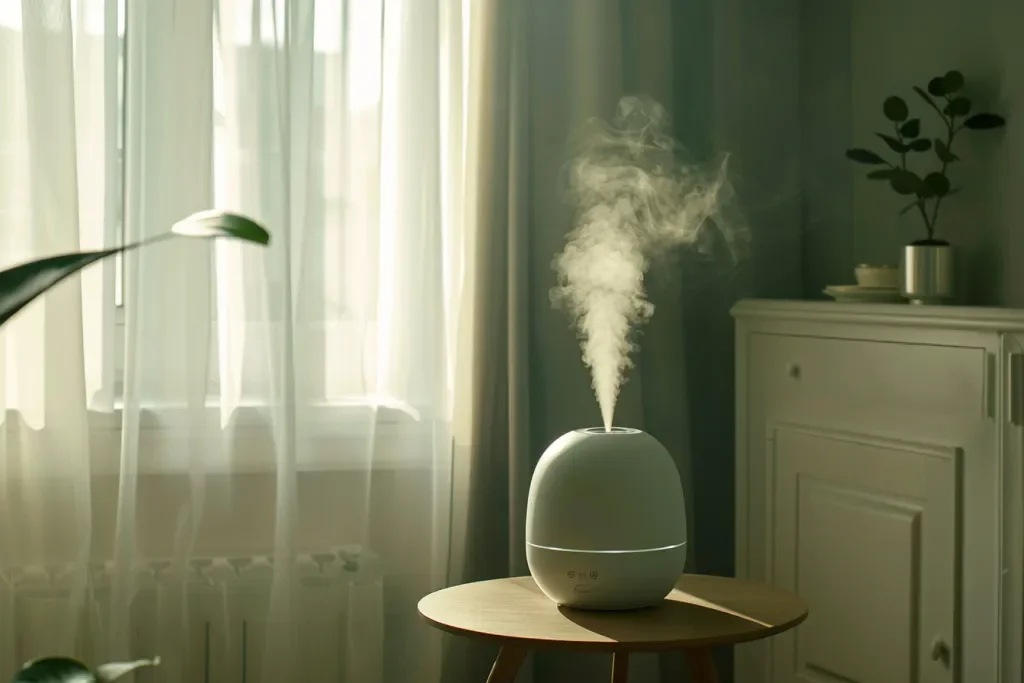
Place it on a small table or nightstand, at least a few feet off the ground. This allows the mist to disperse evenly into the air rather than settling on the floor. Keep it away from wooden furniture and electronics, and ensure it’s not pointed directly at a wall.
Your Journey to Better Air
Choosing a humidifier doesn’t have to be complicated. By starting with your room’s square footage and considering factors like your climate and home’s layout, you can easily narrow down the options. Remember that the goal is to create a comfortable, healthy environment—not a rainforest.
By investing a little time to figure out what size humidifier you need, you’re making a powerful investment in your health, your comfort, and the longevity of your home. You’ll sleep more soundly, breathe more easily, and say goodbye to the irritating effects of dry air for good.