Hello there, and welcome. As the Senior Consultant for Humidifier Go, I’ve spent years diving deep into the science of air quality, and one of the most common questions I hear is, “Do Humidifiers Help With Snoring?” You’ve heard that late-night symphony, maybe from a partner, or perhaps you’re the one waking up with a sandpaper-dry throat. The answer, in many cases, is a resounding yes. Let’s peel back the layers and discover how this simple home appliance can be the secret to a quieter, more restful night’s sleep.
It’s a common scene in households everywhere during the winter months or in dry climates: the air becomes parched, static electricity is a constant surprise, and you wake up feeling like you’ve been gargling dust. But what many don’t realize is that this same dry air could be the very culprit behind that disruptive snoring.
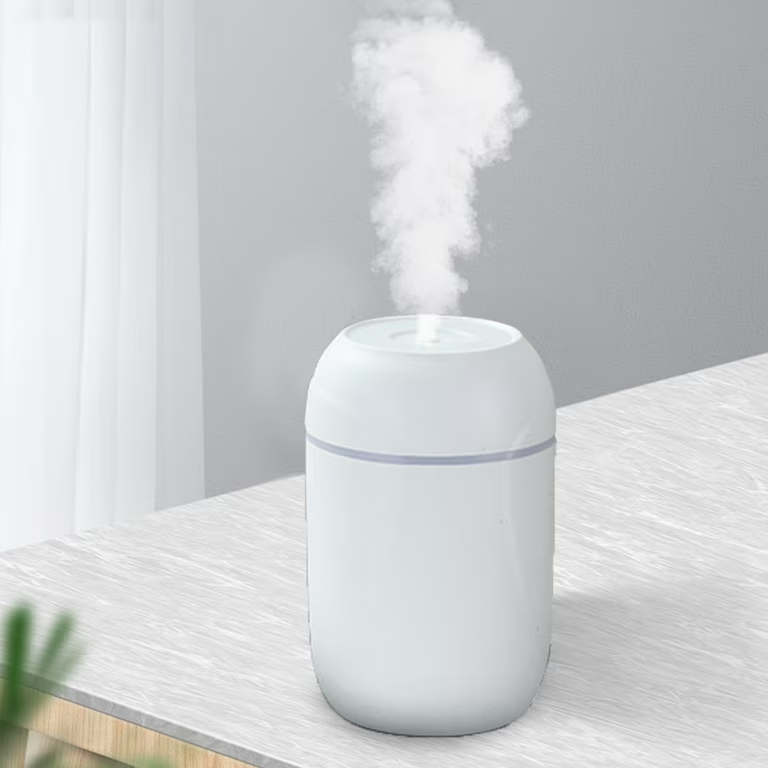
The Surprising Link Between Dry Air and Snoring
So, what’s the big deal with dry air? Think of your respiratory system—your nose, throat, and airways—as a delicate, moist environment designed to function perfectly. When you breathe in arid air all night, that environment gets thrown out of whack.
Here’s a play-by-play of what happens:
- Irritated Airways: Dry air acts like a constant irritant to the sensitive membranes in your nose and throat. This can lead to inflammation and swelling, narrowing the very passages that air needs to travel through.
- Thickened Mucus: Your body produces mucus to trap irritants and keep things lubricated. In a dry environment, this mucus loses its moisture, becoming thicker and stickier. This can cause congestion and force you to breathe through your mouth—a major contributor to snoring.
- Vibrating Tissues: The sound of snoring is essentially the vibration of soft tissues in the back of your throat. When these tissues are dry and irritated, they are more prone to vibrating loudly as air struggles to pass by.
It’s a chain reaction. Dry air leads to irritation, which leads to congestion and inflammation, which ultimately leads to the sound that keeps your household awake.
How Exactly Do Humidifiers Help With Snoring?
This is where a quality humidifier steps in as your nighttime hero. By reintroducing moisture into your bedroom air, a humidifier directly counteracts the negative effects of a dry environment. It’s not magic; it’s simple science.
Wondering how this home appliance tackles the problem? A humidifier can:
- Soothe and Lubricate Airways: Moist air is gentle on your nasal passages and throat. It helps keep these tissues hydrated and supple, reducing inflammation and allowing air to flow more freely and quietly.
- Thin Mucus and Relieve Congestion: By increasing the humidity, a humidifier helps thin out that thick, stubborn mucus. This makes it easier for your body to clear congestion, allowing you to breathe more comfortably through your nose instead of your mouth.
- Reduce Throat Irritation: Ever wake up with a sore, scratchy throat? A humidifier can prevent that by keeping your throat moist all night long, leading to a more comfortable morning and less irritation-induced snoring.
“Maintaining an indoor humidity level between 40-60% is a cornerstone of respiratory health,” notes Dr. Eleanor Vance, a leading allergist. “It’s one of the simplest, most effective first-line defenses against airborne irritants and the nasal congestion that often leads to snoring.”
Choosing Your Anti-Snoring Ally: Which Humidifier is Best?
Now that you’re convinced, you might be wondering which type of humidifier is right for you. It’s a great question, as the technology can vary. Here at Humidifier Go, we believe in empowering you with knowledge.
Cool Mist vs. Warm Mist: The Great Debate
This is the most common fork in the road. Both can be effective for snoring, but they have key differences.
- Cool Mist Humidifiers: These are the most popular choice. They release a room-temperature mist, making them incredibly safe to use around children and pets. They are also generally more energy-efficient and can make a room feel slightly cooler, which is a bonus for many sleepers. A cool mist is fantastic for general, year-round use to combat dry air.
- Warm Mist Humidifiers: These devices use a heating element to boil water before releasing it as a warm, soothing vapor. This process also kills most waterborne bacteria and germs. The warm mist can feel particularly comforting if you have a cold or sinus infection, but they do use more electricity and pose a slight burn risk if knocked over.
For the specific purpose of combating snoring, a cool mist humidifier is typically the recommended choice due to its safety, efficiency, and effectiveness.
Bảng trống.The Technology Behind the Mist: Ultrasonic vs. Evaporative
This gets into the nuts and bolts of how the mist is created.
| Feature | Ultrasonic Humidifiers | Evaporative Humidifiers |
|---|---|---|
| Noise Level | Virtually silent | Produce a low fan noise |
| Mechanism | A high-frequency vibrating plate creates a fine mist. | A fan blows air through a wet wick filter. |
| Mineral Dust | Can release fine white dust if using tap water. | The filter traps minerals, preventing white dust. |
| Maintenance | Requires regular cleaning to prevent mold/bacteria. | Wick filter needs periodic replacement. |
For light sleepers, an ultrasonic humidifier is often the top pick because of its whisper-quiet operation. However, if you live in an area with hard water, an evaporative model might be a more practical choice to avoid the “white dust” issue.
Beyond Just Turning It On: A Pro’s Guide to Optimal Use
Buying a humidifier is the first step. Using it correctly is what will truly make a difference. Let’s cover the essentials.
What’s the Ideal Humidity Level for Sleeping?
The sweet spot for indoor humidity is between 40% and 60%. Too low, and you’re back to the dry air problem. Too high (above 60%), and you can create an environment where dust mites, mold, and mildew thrive. Many modern humidifiers come with a built-in humidistat that automatically maintains your desired level. If yours doesn’t, consider a cheap, separate device called a hygrometer to monitor your room’s humidity.
How Often Should I Clean My Humidifier?
This is a non-negotiable part of owning a humidifier. A dirty tank can become a breeding ground for bacteria and mold, which you definitely don’t want to be breathing in.
Here is a simple, effective cleaning checklist:
- Daily Rinse: When you refill the tank each day, give it a quick rinse with water and wipe it dry before adding fresh water. This prevents film buildup.
- Weekly Deep Clean: Once a week, you need to disinfect the unit. Unplug it and empty any remaining water.
- Descale: Fill the tank with a solution of equal parts white vinegar and water. Let it sit for at least 30 minutes to an hour to break down any mineral deposits.
- Scrub and Rinse: Use a soft brush to gently scrub the inside of the tank and the base.
- Thorough Rinse: Rinse all parts thoroughly with clean water to remove any vinegar smell.
- Dry Completely: Let all components air dry completely before reassembling the unit.
Following this routine ensures your humidifier is improving your air quality, not harming it.
What Kind of Water Should I Use in My Humidifier?
For best results, especially with ultrasonic models, use distilled or demineralized water. Tap water contains minerals that, when dispersed, can settle as a fine white dust on your furniture and can even be inhaled. While not typically harmful, it can be an annoyance. Evaporative models are more forgiving as their wicks trap these minerals.
Frequently Asked Questions (FAQ)
Can a humidifier completely cure my snoring?
A humidifier can significantly reduce or even eliminate snoring if the root cause is dry air, congestion, or mild allergies. However, snoring can also be caused by other issues like sleep apnea, anatomy, or lifestyle factors. If your snoring is severe or you suspect sleep apnea, it’s crucial to consult a doctor.
Will a humidifier help with sleep apnea?
No. A humidifier can make breathing more comfortable, which may be a complementary benefit, but it is not a treatment for sleep apnea. Sleep apnea is a serious medical condition that requires a proper diagnosis and treatment plan from a healthcare professional, often involving a CPAP machine.
How long will it take to notice a difference in my snoring?
Many people report feeling a difference on the very first night of use. You might wake up with less throat dryness immediately. For snoring, it may take a few nights for the full effects to be noticeable as your airways become less inflamed and irritated.
Is it okay to run a humidifier all night long?
Absolutely! In fact, that’s the ideal way to use it for snoring. Running it throughout the night ensures the air in your bedroom remains at a consistent, comfortable humidity level, providing continuous relief for your respiratory system.
Can I add essential oils to my humidifier?
Only if your humidifier is specifically designed as a combination humidifier/diffuser. Adding oils to a standard humidifier can damage the plastic tank and internal components. Always check your manufacturer’s instructions before adding anything other than water.
The Final Word on a Quieter Night
So, to circle back to our original question: do humidifiers help with snoring? The evidence and experience overwhelmingly point to yes. By tackling the root problem of dry, irritating air, a humidifier restores your bedroom to a sleep-friendly oasis, soothing your airways and paving the way for quieter nights.
It’s a simple, effective, and non-invasive solution that can dramatically improve not only your sleep quality but also the sleep quality of everyone else in your home. By choosing the right model and committing to proper maintenance, you’re not just buying a home appliance; you’re investing in better health and more peaceful rest.