Welcome to Humidifier Go, your trusted companion in the journey toward better air and better health. If you’ve ever woken up to a stuffy nose, dry throat, or itchy skin, you already know the battle against dry air is real. A quality humidifier is your single best tool in this fight, quietly working to balance your home’s atmosphere. But as you browse different models, you’ll see a lot of terms thrown around. One of the most important, and frankly non-negotiable, is the auto shut off feature. So, What Is An Auto Shut Off Feature exactly, and why should it be at the top of your checklist?
Let’s dive in. I’ve spent years helping people navigate the world of home air quality, and I’ve seen firsthand how a small feature can make a huge difference in safety, convenience, and peace of mind. Think of this feature as the built-in guardian for your device, ensuring it runs perfectly when you need it and powers down safely when you don’t.
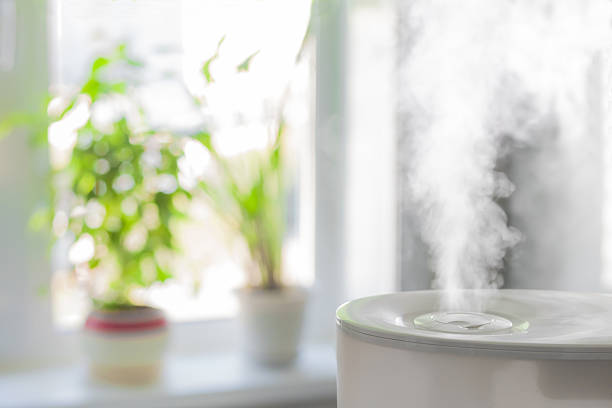
The Auto Shut Off Feature Explained
In the simplest terms, the what is an auto shut off feature is a safety mechanism that automatically turns the humidifier off when its water tank is empty. It’s the “set it and forget it” function that transforms your humidifier from a device you have to monitor into a seamless part of your healthy home environment.
Imagine you’re making soup. You wouldn’t leave the pot on the stove after all the liquid has boiled away, right? The pot would scorch, it could get damaged, and it’s a fire hazard. The auto shut-off feature is like a smart sensor that knows when the “soup” (water) is gone and turns off the heat (the motor) for you. This prevents the humidifier’s internal components, like the ultrasonic nebulizer or the heating element, from running dry and potentially overheating or burning out.
How Does It Actually Work?
While it sounds like high-tech magic, the mechanism is usually quite straightforward. Most humidifiers use one of two common methods:
- Float Sensor: This is a physical mechanism, often a small float (like the one in your toilet tank), that rests on the water’s surface. As the water level drops, the float lowers with it. Once it reaches a certain minimum point, it triggers a switch that cuts power to the unit.
- Electronic Sensor: Some more modern units use electronic or optical sensors to detect the presence of water. When the sensor no longer detects water, it sends a signal to the circuit board to power down the device.
Regardless of the method, the result is the same: a humidifier that protects itself from damage and gives you one less thing to worry about.
Why This Feature is a Game-Changer for Your Home Appliance
So, it turns the device off. Big deal, right? Actually, it’s a massive deal. Having a reliable auto shut-off isn’t just a minor convenience; it’s a cornerstone of a well-designed, safe, and efficient home appliance.
1. Unparalleled Safety and Peace of Mind
This is the number one reason. Running any electrical appliance without its required medium (in this case, water) is a risk. An empty humidifier that continues to run can overheat. While modern humidifiers are built with safety in mind, the auto shut-off feature is the critical last line of defense. It allows you to run your humidifier overnight while you sleep or while you’re out of the house without a shred of worry. I remember my first basic humidifier years ago—I’d constantly wake up just to check the water level. It completely defeated the purpose of getting better sleep!
As Dr. Eleanor Vance, an indoor air quality specialist, often states, “A home wellness appliance should reduce stress, not create it. The auto shut-off feature ensures a humidifier operates within its safe parameters, making it a truly ‘set and forget’ solution for maintaining healthy indoor humidity.”
2. Protects Your Investment
A good humidifier is an investment in your health and comfort. The auto shut-off feature protects that investment. The motor, heating element, or ultrasonic transducer are the heart of your machine. Forcing them to run without water is like running a car’s engine without oil—it causes unnecessary strain, friction, and heat, drastically shortening the device’s lifespan. By preventing the unit from running dry, this feature ensures you get years of reliable performance.
3. Enhances Energy Efficiency
Why pay for electricity you aren’t using? A humidifier running without water is doing absolutely nothing to improve your air quality, but it’s still drawing power. While the energy consumption might be minimal, it adds up over time. An automatic shut-off ensures the device only uses electricity when it’s actively performing its job of adding moisture to the air. It’s a small but smart way to be more energy-conscious at home.
Bảng trống.Is Auto Shut-Off Standard on All Humidifiers?
Thankfully, the what is an auto shut off feature has become an industry standard for most reputable brands and models, whether you’re looking at a cool mist, warm mist, or ultrasonic humidifier.
- Ultrasonic Humidifiers: These are particularly sensitive. The piezoelectric transducer that vibrates to create the mist can be damaged quickly if it operates without water. For this reason, virtually all modern ultrasonic models include this feature. You can explore some of our top-rated ultrasonic humidifiers with this feature here.
- Evaporative Humidifiers: These use a fan to blow air through a wet wick filter. While running dry is less likely to cause immediate damage to the fan, it’s still inefficient and can wear out the wick faster. Most quality evaporative models include an auto shut-off.
- Warm Mist Humidifiers (Vaporizers): Since these units boil water to create steam, a safety shut-off is absolutely essential. It prevents the heating element from overheating to dangerous levels, making it a critical safety component.
When you’re shopping, you should always confirm this feature is listed in the product specifications. If a humidifier doesn’t have it, we at Humidifier Go would strongly advise you to steer clear. It’s a major red flag about the overall quality and safety standards of the product.
Tips for Getting the Most Out of Your Humidifier
Having a great feature is one thing, but using your device correctly is what truly elevates your indoor air quality. Here are a few tips to complement your humidifier’s smart features:
- Use the Right Water: To prolong the life of your humidifier and ensure the mist is clean, use distilled or demineralized water. Tap water contains minerals that can build up inside the machine (as white dust) and be dispersed into your air.
- Clean it Regularly: This is non-negotiable. A dirty humidifier can breed mold and bacteria. Follow our step-by-step guide to cleaning your humidifier at least once a week.
- Monitor Humidity Levels: Aim for an indoor humidity level between 40% and 60%. Too little is bad, but too much can encourage mold growth. A humidifier with a built-in humidistat (which measures humidity and turns the unit on/off to maintain a set level) is an excellent partner to the auto shut-off feature.
Frequently Asked Questions (FAQ)
Here are some common questions we get about this essential feature.
Can I leave my humidifier on all night if it has auto shut-off?
Yes, that’s one of the primary benefits of the feature. It is designed specifically to give you the peace of mind to run the unit for extended periods, like overnight, without needing to monitor the water level.
Is the auto shut-off feature the same as a timer?
No, they are different but complementary features. A timer allows you to set the humidifier to run for a specific duration (e.g., 8 hours) and then turn off. An auto shut-off is a safety feature that turns the unit off only when the water runs out, regardless of how long it has been running.
How do I know if my humidifier’s auto shut-off is working?
The easiest way to test it is to run the humidifier until the tank is nearly empty and observe it. As the water depletes, the unit should power down, and often an indicator light will turn on (usually red) to let you know the tank needs a refill.
What should I do if my humidifier runs out of water and shuts off?
Simply turn the unit off manually, unplug it for safety, refill the tank with fresh, clean water, and turn it back on. There is no special reset procedure required for most models.
Does the auto shut-off feature use extra electricity?
No, quite the opposite. The sensors use a negligible amount of power. The feature’s main function is to stop the humidifier from using electricity unnecessarily once the water tank is empty, thereby saving energy.
The Final Word
In the world of humidifiers, fancy features can be tempting, but the foundational ones are what truly matter. Understanding what is an auto shut off feature reveals that it’s not just another bullet point on a product box—it’s a core component of safety, device longevity, and user convenience. It’s the silent guardian that lets you breathe easier in every sense of the word. When you choose a humidifier with a reliable automatic shut-off, you’re not just buying a home appliance; you’re investing in a smarter, safer, and healthier living space.