Ever wake up with a scratchy throat, dry skin, and that annoying static cling that follows you everywhere? You’re not alone. Winter air, or even just constant air conditioning, can suck the moisture right out of your home, leaving you feeling less than your best. A humidifier is the obvious hero here, but then comes the endless cycle of buying, changing, and cleaning gunky filters. What if you could skip that part entirely? Welcome to the game-changing world of filter-free humidity. Finding the Best Filterless Humidifier isn’t just about convenience; it’s about a smarter, more cost-effective way to breathe easy and improve your home’s air quality.
I’ve spent years in the air quality game, and I remember the “aha!” moment when I switched to a filterless model in my own home. No more last-minute runs to the store for a specific filter size, no more hidden costs. Just pure, simple, and effective humidity. In this guide from us at Humidifier Go, we’re going to break it all down, helping you find the perfect partner to combat dry air for good.
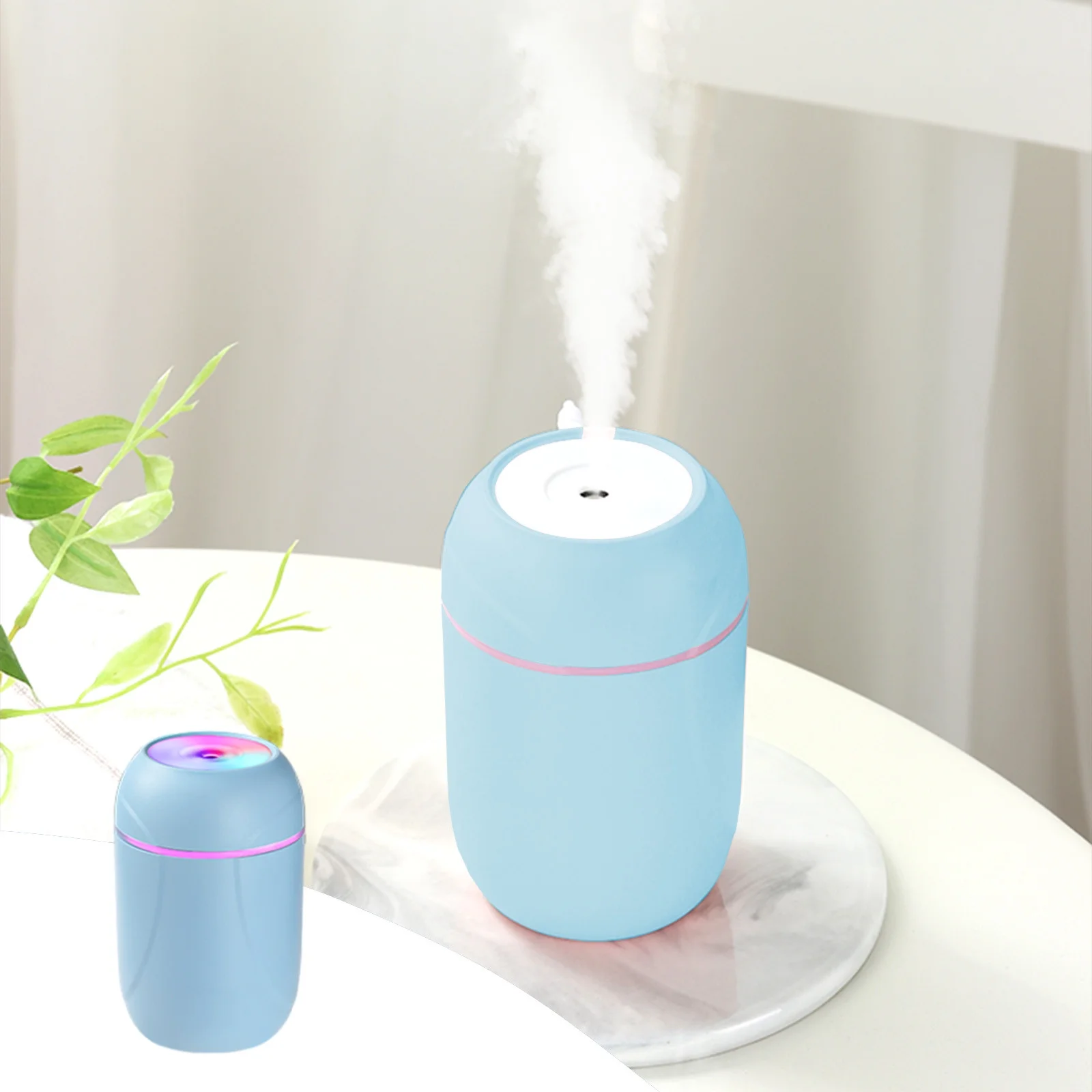
Why Go Filterless? The Unseen Benefits
Let’s be honest, the main draw is right there in the name: no filters! But what does that really mean for you? It’s more than just saving a few bucks.
- Long-Term Savings: Those replacement filters might not seem expensive individually, but they add up significantly over the life of a home appliance. A filterless model has a lower total cost of ownership.
- Ultimate Convenience: Forget setting calendar reminders to order new filters or trying to find the exact model number. With a filterless unit, you just add water and go. It’s that simple.
- Reduced Waste: In a world where we’re all trying to be a bit more eco-conscious, ditching disposable filters is a small but meaningful step. Fewer filters in the landfill is a win for everyone.
- Consistent Performance: You never have to worry about a clogged filter reducing your humidifier’s efficiency. A clean, filter-free machine runs at its peak performance consistently.
As our in-house air quality specialist, David Chen, often says, “The goal of a humidifier is to simplify your life and improve your health, not add another chore to your list. A filterless design is the purest expression of that goal.”
Understanding the Tech: How Do Filterless Humidifiers Work?
So, if there’s no filter, how does the water get into the air? It’s not magic, it’s just clever engineering. Most filterless models fall into two main camps.
Ultrasonic Humidifiers: The Silent Workhorses
These are the most common type of filterless humidifier, and for good reason.
How they work: Picture a tiny, super-fast drum skin vibrating underwater. An ultrasonic humidifier uses a ceramic diaphragm vibrating at an incredibly high frequency (an ultrasonic frequency, hence the name!) to break water droplets into a super-fine, visible cool mist. This mist is then quietly pushed into your room by a small fan.
- Pros: They are exceptionally quiet, making them perfect for bedrooms and offices. They are also highly energy-efficient.
- Cons: Because they turn whatever is in the water into mist, using hard tap water can result in a fine, white mineral dust that settles on furniture. This is easily solved by using distilled or demineralized water.
Vaporizers (Warm Mist): The Soothing Classic
These are the old-school, tried-and-true humidifiers that many of us grew up with.
How they work: It’s beautifully simple. A heating element inside the unit boils the water, just like a kettle. This creates a warm, soothing steam that is released into the air. The boiling process naturally purifies the water, killing off bacteria and mold, and leaving all minerals behind in the tank.
- Pros: The warm mist can make a room feel cozier in the winter and can be especially comforting for coughs and congestion. The boiling process means you don’t have to worry about mineral dust.
- Cons: They use more energy than ultrasonic models due to the heating element. It’s also crucial to place them out of reach of children and pets because the hot water and steam pose a burn risk.
How to Choose the Best Filterless Humidifier for You
Alright, you’re sold on the concept. Now, how do you pick the right one from the sea of options? It boils down to a few key questions about your space and your needs.
What’s Your Room Size?
This is the most important factor. Using a small humidifier in a huge living room is like trying to cool a house with a personal desk fan—it’s just not going to work. Check the manufacturer’s recommendation for square footage.
- Small Rooms (up to 300 sq. ft.): Think bedrooms, nurseries, or a home office. A compact ultrasonic model is usually the best filterless humidifier for these spaces.
- Medium Rooms (300-500 sq. ft.): For living rooms or master bedrooms, you’ll need a unit with a larger tank and higher mist output.
- Large Rooms (500+ sq. ft.): For open-concept living areas, you’ll want a powerful console or tower model with a large capacity to avoid constant refilling.
Cool Mist vs. Warm Mist: The Great Debate
This is largely a matter of personal preference and climate.
- Choose Cool Mist (Ultrasonic) if:
- You live in a warmer climate.
- You have children or pets (it’s the safest option).
- You need a humidifier for a bedroom, as they are typically whisper-quiet.
- Choose Warm Mist (Vaporizer) if:
- You live in a colder climate and appreciate the slight warming effect.
- You want the health benefits of warm, soothing steam for congestion.
- You are concerned about bacteria and prefer the purifying effect of boiling water.
What Extra Features Actually Matter?
Modern humidifiers come with all sorts of bells and whistles. Here are the ones that are actually useful:
- Built-in Humidistat: This is a must-have. It measures the current humidity in the room and automatically turns the unit on and off to maintain your desired level (ideally between 40-60%). This prevents over-humidification, which can lead to condensation and mold.
- Adjustable Mist Settings: Gives you control over the output, so you can crank it up when the air is bone-dry and turn it down at night.
- Auto Shut-off: A critical safety feature that turns the humidifier off when the water tank is empty, protecting the motor from burning out.
- Easy-to-Clean Design: Look for models with wide tank openings. Trust me, you’ll thank yourself later when it’s time for the weekly cleaning.
Keeping It Clean: Your Guide to Filterless Humidifier Maintenance
“Filterless” doesn’t mean “maintenance-free.” In fact, because there’s no filter to trap gunk, regular cleaning is even more important to prevent the growth of mold and bacteria. A dirty humidifier can spray these irritants into the air you breathe.
The U.S. Environmental Protection Agency (EPA) recommends cleaning your humidifier every three days. Here’s a simple, effective routine:
- Unplug and Disassemble: Always unplug the unit first. Empty any remaining water from the tank and base.
- The Vinegar Soak: Fill the tank about halfway with a solution of one part white vinegar to one part water. Swish it around to coat the inside. If the base is detachable, you can fill it with the same solution. Let it sit for 20-30 minutes. The vinegar is fantastic for breaking down mineral buildup (scale).
- Scrub and Rinse: Use a soft brush (a dedicated bottle brush works wonders) to gently scrub the inside of the tank and any nooks in the base. Pour out the vinegar solution and rinse everything thoroughly with clean water until the vinegar smell is gone.
- Dry and Reassemble: Wipe all parts dry with a clean cloth or let them air dry completely before putting the humidifier back together.
Frequently Asked Questions (FAQ)
What is the main disadvantage of a filterless humidifier?
The primary disadvantage, especially for ultrasonic models, is the potential for “white dust.” This is a fine powder of minerals from hard water that can settle on surfaces. It’s generally harmless but can be a nuisance. Using distilled or demineralized water completely eliminates this issue.
How often should I clean my filterless humidifier?
For optimal performance and health, you should rinse the tank daily and do a thorough cleaning with vinegar at least once a week, or every three days as recommended by the EPA, especially if used daily. Regular cleaning is the key to preventing bacteria and mold buildup.
Can a filterless humidifier make you sick?
Any humidifier, with or without a filter, can make you sick if it’s not kept clean. A dirty water tank is a breeding ground for mold and bacteria, which can be dispersed into the air. This is why following a strict, regular cleaning schedule is absolutely essential for safe operation.
Is warm mist or cool mist better from a filterless humidifier?
Neither is inherently “better”; they just serve different purposes. Cool mist is safer for homes with children and is more energy-efficient. Warm mist can be more soothing for colds and congestion and doesn’t produce white dust. The choice depends on your personal health needs and home environment.
Do I really need to use distilled water?
If you have an ultrasonic model and live in an area with hard water, then yes, using distilled water is highly recommended to prevent white dust. For warm mist vaporizers, tap water is perfectly fine, as the boiling process leaves the minerals behind.
Your Journey to Better Air Starts Here
Choosing the best filterless humidifier is a fantastic step towards creating a healthier, more comfortable home environment. By saying goodbye to the hassle and recurring cost of filters, you’re investing in a simpler, more efficient solution for tackling dry air. Remember to match the unit to your room size, choose the mist type that suits your family, and commit to a regular cleaning schedule.
Armed with this knowledge, you can confidently select a device that will help you sleep better, soothe your sinuses, and maybe even save your favorite wooden furniture from cracking. It’s time to transform your home into a sanctuary of perfect humidity.