Waking up with a scratchy throat, dealing with annoying static shocks every time you touch a doorknob, or watching your skin become uncomfortably dry—sound familiar? These are all tell-tale signs of dry indoor air. That’s where a good humidifier comes in, acting as your personal climate controller. But figuring out How To Choose A Humidifier can feel overwhelming with all the options out there. Cool mist, warm mist, ultrasonic, evaporative… it’s a lot to take in. Don’t worry. As the voice of Humidifier Go, I’m here to demystify the process and guide you to the perfect appliance for creating a healthier, more comfortable home environment. Think of me as your trusted partner in the quest for perfect air.
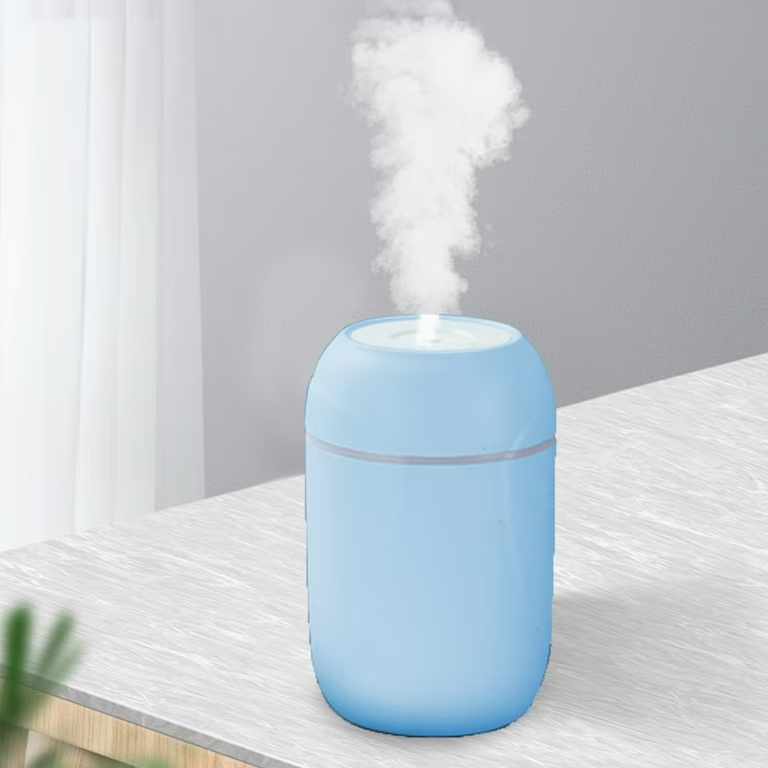
Why You Need a Humidifier in the First Place
Before we dive into the “how,” let’s quickly cover the “why.” You might be surprised at how much a little moisture in the air can do. Maintaining an ideal indoor humidity level (experts recommend between 40% and 60%) is more than just a comfort preference; it’s a health and wellness game-changer.
Here’s a quick rundown of the benefits:
- Breathe Easier: Properly humidified air can soothe irritated nasal passages, reduce snoring, and help alleviate symptoms of colds, allergies, and asthma.
- Healthier Skin and Hair: Say goodbye to chapped lips, dry skin, and brittle hair. Moisture in the air helps your body stay hydrated from the outside in.
- Protect Your Home: Dry air can wreak havoc on wood furniture, floors, and even musical instruments, causing them to crack and warp. A humidifier helps preserve your belongings.
- Reduce Virus Transmission: Some studies suggest that viruses, including the flu, have a harder time surviving and spreading in air with adequate humidity levels.
- A Better Night’s Sleep: By preventing a dry throat and nose, a humidifier can lead to a more comfortable and uninterrupted night’s sleep. I personally used to struggle with waking up congested during the winter until I placed a small humidifier on my nightstand. The difference was night and day.
The Main Players: A Breakdown of Humidifier Types
The biggest decision you’ll make is what type of humidifier to get. Each has its own way of getting moisture into the air, and each comes with its own set of pros and cons. Let’s break them down.
Ultrasonic Humidifiers
Think of these as the modern, high-tech option. They use a small, vibrating metal plate (a piezoelectric transducer, for the technically curious) that moves at an “ultrasonic” frequency. This vibration breaks down water into an ultra-fine, cool mist that is then quietly released into the room.
- Pros: Extremely quiet operation, making them perfect for bedrooms and offices. They are also filter-free, which means less ongoing cost.
- Cons: They can produce a fine “white dust” (mineral deposits from your water) that settles on furniture if you use hard tap water. Using distilled or demineralized water is highly recommended.
Evaporative Humidifiers
This is the most common and traditional type. An evaporative humidifier uses a fan to blow air through a moistened wick or filter. The air absorbs the water, and a more humid air is then expelled into the room. It’s a very natural and self-regulating process.
- Pros: They are self-regulating—as the room’s humidity increases, the rate of evaporation naturally slows down. They also don’t produce white dust because minerals are left behind in the filter.
- Cons: They can be noisier than ultrasonic models due to the internal fan. The wick filter also needs to be cleaned regularly and replaced every few months to prevent mold and bacteria growth.
Warm Mist Humidifiers (Vaporizers)
These are the old-school classics. A warm mist humidifier, or vaporizer, uses a heating element to boil water and release a warm, soothing steam into the air.
- Pros: The boiling process kills waterborne bacteria and mold, ensuring the mist is pure. The warm mist can feel particularly comforting during a cold or flu, and it can help make a room feel slightly warmer in the winter.
- Cons: The heating element consumes more electricity than other types. More importantly, the hot water and steam pose a burn risk, making them a less ideal choice for homes with young children or pets.
Quick Comparison Table
| Feature | Ultrasonic Humidifier | Evaporative Humidifier | Warm Mist Humidifier |
|---|---|---|---|
| Noise Level | Very Quiet | Noticeable (Fan Noise) | Quiet (Gurgling) |
| Mist Type | Cool Mist | Cool Mist | Warm Mist |
| White Dust | Yes (with tap water) | No | No |
| Filter Needed | No | Yes (Wick Filter) | No |
| Energy Use | Low | Low to Medium | High |
| Child Safety | Very Safe | Very Safe | Caution (Burn Risk) |
How to Choose a Humidifier: Your Personal Checklist
Now that you know the players, how do you pick the winner for your home? Let’s walk through the key factors to consider.
1. What’s Your Room Size?
This is the most critical factor. A small humidifier in a large living room won’t make a dent, and a giant one in a tiny bedroom will turn it into a sauna. Check the product specifications for the recommended square footage.
- Small Rooms (up to 300 sq. ft.): Think bedrooms, nurseries, or a home office. A small personal or tabletop model will do the job perfectly.
- Medium Rooms (300-500 sq. ft.): For living rooms or master bedrooms, you’ll need a medium-sized console unit.
- Large Rooms/Whole House (500+ sq. ft.): For open-plan living areas or to humidify your entire home, a large console or a whole-house humidifier (which connects to your HVAC system) is the best bet.
2. Cool Mist or Warm Mist?
This often comes down to personal preference and climate.
- Choose Cool Mist if: You live in a warmer climate, have children or pets (for safety), or want the quietest possible operation (ultrasonic models).
- Choose Warm Mist if: You live in a colder climate and would appreciate the slight warming effect, or if you want the germ-killing benefits of boiling water.
3. What Features Actually Matter?
Humidifiers come with a host of bells and whistles. Here are the ones that are actually worth looking for:
- Built-in Humidistat: This is a must-have. A humidistat measures the humidity in the room and automatically turns the unit on and off to maintain your desired level. This prevents over-humidification and saves energy.
- Ease of Cleaning: This is non-negotiable. Look for models with large tank openings and minimal hard-to-reach crevices. If you dread cleaning it, you won’t do it, which can lead to health risks.
- Tank Size & Run Time: A larger tank means less frequent refills. Look for a run time that will last through the night (at least 8-12 hours on a low setting).
- Auto-Shutoff: A crucial safety feature that turns the unit off when the water tank is empty.
- Essential Oil Diffuser: Some ultrasonic models come with a separate tray for essential oils. Important: Never put oils directly into the water tank unless the manufacturer explicitly says it’s okay, as it can damage the unit.
“Maintaining proper humidity is a first line of defense against airborne allergens and irritants,” notes Dr. Eleanor Vance, a leading allergist. “A clean, well-maintained humidifier can significantly reduce the nasal congestion and throat irritation that plagues so many of my patients, especially during dry seasons.”
Keeping It Clean: The Golden Rule of Humidifier Ownership
I can’t stress this enough: a dirty humidifier is worse than no humidifier at all. A poorly maintained tank can become a breeding ground for mold and bacteria, which it then pumps into your air.
How Often Should I Clean My Humidifier?
You should rinse and refill the tank with fresh water daily. A more thorough cleaning with a vinegar solution or as per the manufacturer’s instructions should be done at least once a week.
Here’s a simple weekly cleaning routine:
- Unplug and Disassemble: Unplug the unit and empty any water from the tank and base.
- Descale with Vinegar: Fill the tank and/or base with a solution of one part white vinegar to one part water. Let it sit for 20-30 minutes to dissolve any mineral buildup.
- Scrub Gently: Use a soft brush or cloth to gently scrub the inside of the tank and any nooks in the base.
- Rinse Thoroughly: Rinse all parts with clean water until the vinegar smell is gone.
- Dry Completely: Allow all parts to air dry completely before reassembling. This is key to preventing new mold growth.
According to the U.S. Environmental Protection Agency (EPA), it’s crucial to follow the manufacturer’s cleaning instructions to ensure you are effectively removing contaminants without damaging the unit.
Frequently Asked Questions
What kind of water should I use in my humidifier?
For ultrasonic humidifiers, distilled or demineralized water is best to prevent white mineral dust. For evaporative or warm mist models, tap water is generally fine, but you will need to clean the unit more frequently to combat mineral buildup (scale).
Where is the best place to put a humidifier?
Place it on a flat, water-resistant surface at least a few feet away from your bed, wooden furniture, and walls. This allows the mist to disperse evenly and prevents water damage. Never place it on the floor or on a carpet.
Can a humidifier help with my allergies?
Yes, it can. By keeping your nasal passages moist, a humidifier can help your body trap and expel allergens more effectively. However, it’s vital to keep the unit clean, as a dirty one can circulate mold spores, which would make allergies worse.
Is it okay to run a humidifier all night?
Absolutely! In fact, that’s one of the best times to use it. Running a humidifier overnight can prevent you from waking up with a dry mouth and congested sinuses. Just be sure to use a model with an auto-shutoff feature.
How do I know if my room is too humid?
The most obvious sign is condensation forming on windows. This indicates that the humidity level is too high, which can encourage mold growth. This is why a model with a built-in humidistat is so valuable for maintaining that 40-60% sweet spot.
The Final Word on Fresh Air
Choosing the right appliance to improve your home’s air quality doesn’t have to be complicated. By focusing on your room size, considering the pros and cons of each type, and prioritizing features that make it easy to use and maintain, you’ll be well on your way to a more comfortable and healthier living space. Remember that the journey to better air doesn’t end with the purchase; proper maintenance is the key to reaping all the benefits. Now that you know how to choose a humidifier, you can confidently invest in your well-being and transform your home into a haven of clean, perfectly balanced air.