Welcome to Humidifier Go, where we believe breathing fresh, clean air isn’t a luxury—it’s the foundation of a healthy home. You’ve brought a humidifier into your life to combat that awful dry air, soothe your sinuses, and maybe even give your houseplants a little boost. But what if that very device, meant to be your ally in wellness, is secretly working against you? Let’s get straight to the point and answer the pressing question: Can A Dirty Humidifier Make You Sick? The short answer is a resounding yes, and it’s more common than you might think.
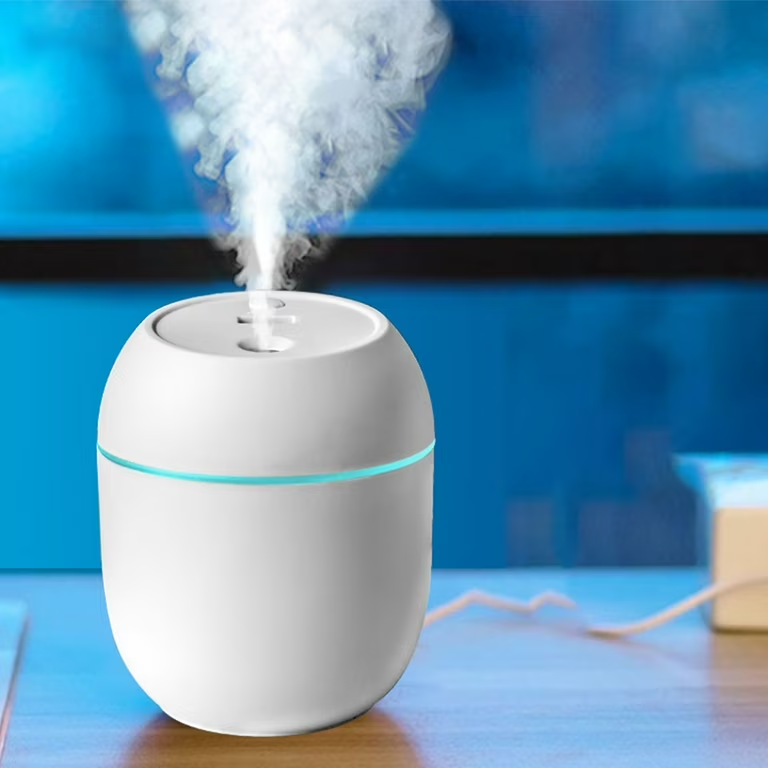
That mist you see isn’t just water; it’s a direct delivery system into your lungs. When your humidifier is clean, it delivers pure, soothing moisture. But when it’s neglected, it can become a five-star resort for mold, mildew, and bacteria, aerosolizing these unwanted guests and pumping them directly into the air you and your family breathe.
The Hidden Dangers: What’s Really Growing in Your Tank?
Think of your humidifier’s water tank. If left unattended, it’s not so different from a stagnant pond. It’s a dark, wet environment—the perfect breeding ground for microscopic villains. When you turn the machine on, you’re not just getting moisture; you’re getting a cocktail of whatever has decided to call that tank home.
The Main Culprits Lurking Inside
- Mold and Mildew: These fungi thrive in damp conditions. When their spores are released into the air and inhaled, they can trigger allergic reactions, asthma attacks, and other respiratory issues. That musty smell you might notice? That’s a major red flag.
- Bacteria: Various types of bacteria love the lukewarm water in a humidifier tank. When dispersed, they can lead to flu-like symptoms and infections, a condition sometimes referred to as “humidifier fever.”
- White Dust (Mineral Deposits): This isn’t a living organism, but it’s a common issue if you use hard tap water. The humidifier disperses fine mineral particles (calcium, magnesium) into the air. While generally not harmful for most people, this “white dust” can settle on furniture and may irritate the respiratory tract of sensitive individuals, including infants and those with asthma.
“A humidifier is a tool for health, but like any tool, it requires proper maintenance,” notes Dr. Eleanor Vance, an indoor air quality specialist. “A clean humidifier supports respiratory health. A dirty one can actively undermine it by dispersing allergens and pathogens directly into your breathing zone.”
How a Dirty Humidifier Can Make You Feel Unwell
So, you’ve been running your humidifier and suddenly you’re feeling a bit off. Could the two be related? It’s highly possible. The symptoms caused by a contaminated unit often masquerade as other common illnesses, making it tricky to pinpoint the source.
Here’s what to look out for:
- Allergy-like Symptoms: Sneezing, runny or stuffy nose, itchy eyes, and skin irritation. If you find your allergies are worse inside your home, your air quality is a good place to start investigating.
- Flu-like Symptoms: This is often associated with “Humidifier Fever.” You might experience fever, chills, headache, and a persistent cough that seems to improve when you spend time away from home.
- Respiratory Distress: For individuals with asthma or other pre-existing lung conditions, inhaling mold spores or bacteria can trigger serious flare-ups, leading to wheezing, shortness of breath, and chest tightness.
- Lung Inflammation (Hypersensitivity Pneumonitis): In rare but serious cases, repeated exposure to airborne contaminants from a dirty humidifier can cause inflammation of the lungs, a condition that can lead to permanent lung damage if not addressed.
The crucial clue is whether your symptoms lessen or disappear when you leave the house for an extended period, like going to work or on a trip, only to return when you’re back home. If so, your humidifier should be a prime suspect.
Bảng trống.Your Action Plan: How to Keep Your Humidifier Clean and Safe
The good news is that preventing these issues is straightforward. It all comes down to a simple, consistent cleaning routine. I’ve personally found that making this a weekly habit, like taking out the trash or watering the plants, is the key to success.
How Often Should I Clean My Humidifier?
For optimal performance and safety, you should perform a light cleaning every few days and a deep disinfection weekly. This frequency prevents biofilm—that slimy layer you might feel inside the tank—from ever getting a foothold.
The Step-by-Step Guide to a Squeaky-Clean Humidifier
Follow these steps at least once a week to disinfect your unit. Always check your manufacturer’s manual first for any specific instructions.
- Safety First: Unplug It! Never clean your humidifier while it’s connected to power.
- Disassemble: Take the unit apart. Separate the tank from the base and remove any smaller, detachable parts like the mist cap.
- Empty and Rinse: Pour out any old water from the tank and base. Give everything a good rinse with cool water to remove loose sediment.
- Descale with White Vinegar: Mineral buildup can create rough surfaces where germs love to hide.
- Fill the tank with a solution of one part white vinegar and one part water.
- Pour some of the solution into the base as well, letting it soak anywhere water usually sits.
- Let it sit for at least 30-60 minutes. This will dissolve the mineral deposits.
- Scrub and Rinse Again: Use a soft-bristled brush or sponge to gently scrub the inside of the tank and any nooks and crannies in the base. Avoid abrasive materials that could scratch the plastic. Rinse all parts thoroughly with clean water until the vinegar smell is gone.
- Disinfect (Optional but Recommended): For a deeper clean, you can use a solution of one teaspoon of 3% hydrogen peroxide per gallon of water. Let it sit for 30 minutes, then rinse extremely well. Some manufacturers approve a highly diluted bleach solution, but always check your manual and ensure you rinse until there is absolutely no bleach odor remaining.
- Air Dry Completely: This is a crucial step! Place all the parts on a clean towel and let them air dry completely before reassembling. A damp environment is an invitation for mold to return.
Best Practices for Everyday Humidifier Use
Beyond the weekly deep clean, these daily habits will make a world of difference:
- Use the Right Water: The U.S. Environmental Protection Agency (EPA) recommends using distilled or demineralized water instead of tap water. This water has a low mineral content, which significantly reduces the buildup of “white dust” and starves bacteria of the nutrients they need to grow.
- Change the Water Daily: Don’t just top off the old water. Empty the tank completely every day and refill it with fresh, clean water. Stagnant water is a playground for germs.
- Keep the Surrounding Area Dry: If you notice condensation on windows or dampness on surfaces near your humidifier, turn it down or use it less frequently. The ideal indoor humidity level is between 40-60%.
- Store It Dry: If you’re putting your humidifier away for the season, make sure it is meticulously cleaned and completely dry before you store it.
Frequently Asked Questions (FAQ)
Q: Can a dirty humidifier make my pets sick?
A: Yes, absolutely. Your pets breathe the same air you do. The mold spores and bacteria that are harmful to you can also cause respiratory issues and allergic reactions in cats, dogs, and other household pets.
Q: What is the “pink slime” I sometimes see in my humidifier?
A: That pink or orange slime is typically a biofilm caused by an airborne bacterium called Serratia marcescens. While generally harmless to most healthy people, it’s a clear sign that your unit needs a thorough cleaning and that you should be changing the water more frequently.
Q: I cleaned my humidifier, but I still feel sick. What should I do?
A: If your symptoms persist after thoroughly cleaning your humidifier and maintaining it properly, it’s important to consult a healthcare professional. There may be another underlying cause for your symptoms, or you may need medical advice to address a persistent respiratory irritation.
Q: Is a warm mist or cool mist humidifier more likely to get dirty?
A: Both types can grow mold and bacteria. However, warm mist humidifiers boil water, which kills most pathogens before they are released. The tank itself can still get dirty, though. Cool mist models, especially ultrasonic ones, do not heat the water, so it’s even more critical to keep them immaculately clean as they can disperse whatever is in the tank directly into the air.
Q: How do I know if the humidity in my room is at the right level?
A: The best way to know for sure is to use a hygrometer. It’s a small, inexpensive device that measures the humidity level in the air. Aim to keep your home’s humidity between 40% and 60%.
The Takeaway: Your Partner in Health, Not Sickness
A humidifier is one of the best tools you can have for improving your home’s comfort and your respiratory health—but only when it’s clean. The answer to can a dirty humidifier make you sick is a clear and definitive yes, but it doesn’t have to be that way.
By committing to a simple routine of daily water changes and weekly disinfection, you transform your humidifier from a potential health hazard back into the powerful wellness ally it was designed to be. Breathe easy, stay healthy, and let your humidifier work for you, not against you.