We’ve all been there. It’s the middle of a dry winter night, and you wake up feeling like you’ve been gargling sandpaper. Your skin is tight, your nose is stuffy, and you can practically feel the moisture being zapped from your body. Your trusty humidifier is chugging away in the corner, and a thought crosses your mind: “This cool mist feels amazing, so Can I Point A Humidifier At My Face for maximum relief?” It’s a completely logical question, but as your dedicated air quality experts at Humidifier Go, we’re here to tell you the short answer is: it’s not the best idea.
The temptation is real, but achieving true comfort and respiratory health isn’t about spot-treating your face with a direct blast of mist. It’s about creating a balanced, healthy environment for your entire room. Let’s dive into why pointing that mist nozzle directly at your pillow is a habit you should break and what you should be doing instead.
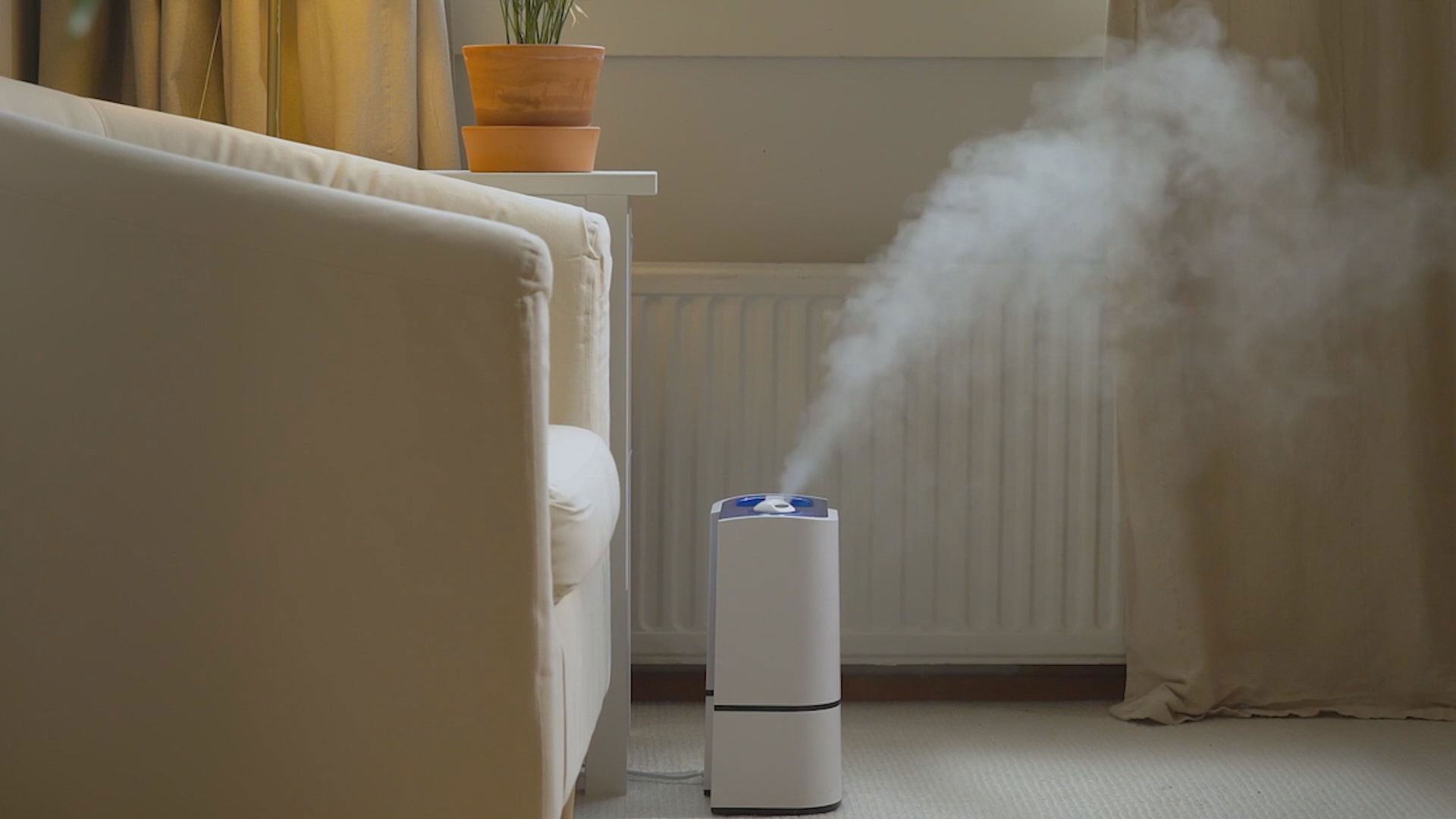
The Allure vs. The Reality of Direct Mist
It feels so good, right? That concentrated stream of cool, moist air seems like a direct line to hydration for your parched skin and sinuses. It’s an immediate, satisfying sensation. Many people believe this is the fastest way to combat the effects of dry air, especially when dealing with a cold or allergies.
However, the long-term reality is a bit different. Your humidifier is a powerful home appliance designed to regulate the humidity of an entire space, not to function as a personal face mister. When you aim it directly at yourself, you’re bypassing its primary function and potentially introducing a few new problems.
Potential Risks of Pointing a Humidifier Directly at Yourself
- Creates a Hotspot for Mold and Bacteria: When you concentrate moisture in one small area—like your pillow, bedding, or the wall behind your bed—you’re creating the perfect damp environment for mold and bacteria to thrive. You might be inhaling these microscopic irritants all night long, which can worsen allergies and respiratory issues, the very things you’re trying to fix.
- Can Actually Irritate Your Skin: While it seems counterintuitive, blasting your skin with constant, direct moisture can disrupt its natural barrier. This can lead to a condition called “over-hydration,” where the skin becomes waterlogged, puffy, and potentially more prone to breakouts and irritation. True skin hydration comes from balanced ambient humidity, not a direct stream of water vapor.
- May Worsen Congestion: For some, a direct blast of cold air, even if it’s moist, can irritate the nasal passages and cause them to swell, potentially making congestion feel worse.
- Damages Nearby Surfaces: Your bedding, wooden nightstand, and any nearby electronics are not designed to be in a constant cloud of moisture. This can lead to water damage, warping, and electrical shorts over time.
“Think of a humidifier like a slow-cooker for your room’s air,” says Dr. Eleanor Vance, an indoor air quality specialist. “You want a low-and-slow approach that gently and evenly raises the humidity throughout the entire space. Targeting one spot is like trying to cook a roast with a blowtorch—it’s intense, uneven, and ultimately less effective.”
Understanding Your Humidifier: Not All Mist is Created Equal
To truly grasp why placement is so critical, it helps to know what’s happening inside that machine. The type of humidifier you own plays a big role in the potential risks of direct exposure.
Cool Mist Humidifiers (Ultrasonic and Evaporative)
These are the most popular types, and for good reason. They are energy-efficient and don’t involve a heating element, making them safer for homes with children and pets.
- Ultrasonic Humidifiers: Use high-frequency vibrations to turn water into a fine, visible mist. The downside? If you use tap water, these vibrations also aerosolize any minerals in the water, creating a “white dust” that can settle on furniture and be inhaled. More importantly, they can also aerosolize any bacteria or mold lurking in the tank.
- Evaporative Humidifiers: Use a fan to blow air through a saturated wick or filter. This process is self-regulating and doesn’t produce white dust. However, the wick can become a breeding ground for mold if not changed and cleaned regularly.
Pointing either of these directly at your face means you’re getting a concentrated dose of whatever is in that water tank—good or bad.
Warm Mist Humidifiers (Vaporizers)
These units use a heating element to boil water, releasing steam into the air. This process kills most waterborne bacteria and mold, which is a big plus. However, the answer to “can I point a humidifier at my face” when it’s a warm mist model is a definitive NO. The steam is hot and poses a significant burn risk, especially at close range.
Bảng trống.The Humidifier Go Method: Smart Placement for Peak Performance
So, if not at your face, where should you put your humidifier? The goal is to achieve an ideal indoor humidity level of 40% to 60% throughout the entire room. Here’s how to do it right.
- Elevate It: Place your humidifier on a flat, waterproof surface, like a dresser or nightstand, at least two feet off the ground. This allows the mist to disperse more evenly into the air rather than settling on the floor.
- Give It Space: Keep the unit at least 3-4 feet away from your bed. This is close enough to benefit from the improved air quality but far enough to avoid direct exposure and damp bedding.
- Aim for the Center: If possible, position the humidifier so the mist is directed towards the center of the room. This facilitates better circulation and more even humidity distribution.
- Keep Away from Wood and Wires: Ensure it’s not too close to wooden furniture, curtains, books, or electronics to prevent moisture damage.
- Use a Hygrometer: This is the secret weapon for perfect humidity. A small, inexpensive digital hygrometer will give you a real-time reading of your room’s humidity level, so you can adjust your humidifier’s settings and avoid making the air too damp.
How Often Should I Clean My Humidifier?
You should clean your humidifier at least once a week. A dirty humidifier can quickly become a “germ-ifier,” dispersing bacteria and mold spores into the very air you’re trying to improve. Consistent maintenance is the most important thing you can do to ensure safe and effective operation.
Your Weekly Cleaning Checklist
Following a simple routine is key. According to the Environmental Protection Agency (EPA), a clean tank is crucial for healthy air.
- Unplug and Disassemble: Always unplug the unit first. Empty any remaining water from the tank and base.
- Descale with Vinegar: Pour a solution of one part white vinegar and one part water into the tank and base. Let it sit for 30-60 minutes. This will loosen any mineral deposits (scale).
- Scrub Gently: Use a soft brush or cloth to gently scrub the inside of the tank and any small components to remove any lingering film or scale.
- Rinse Thoroughly: Rinse all parts with clean water until the smell of vinegar is gone. It’s crucial to remove all the cleaning solution.
- Dry and Reassemble: Air dry all the components completely before reassembling and refilling with fresh, clean water. For best results, use distilled or demineralized water to prevent white dust and slow mineral buildup.
Frequently Asked Questions (FAQ)
Q1: Is it safe to sleep with a humidifier pointed at you?
It is not recommended to sleep with a humidifier pointed directly at you. This can make your bedding damp, creating a breeding ground for mold and bacteria. It’s much safer and more effective to position it several feet away to humidify the entire room’s air.
Q2: Can the mist from a humidifier make my face wet?
Yes, if you are too close, the mist will condense on your skin, making your face, hair, and pillow wet. This over-saturation is not beneficial for your skin and contributes to a damp, unhealthy sleeping environment.
Q3: What’s the best type of water for my humidifier?
Distilled or demineralized water is the best choice. It’s free of minerals that can create white dust (in ultrasonic models) and slow down the buildup of scale in all types of humidifiers, making cleaning easier and the air cleaner.
Q4: How do I know if the humidity in my room is too high?
Signs of excessive humidity include condensation on windows, a musty odor, or a persistent “clammy” feeling in the air. The best way to know for sure is to use a hygrometer to ensure levels stay between the ideal 40-60% range.
Q5: Can pointing a humidifier at my face help with acne?
No, it is unlikely to help and may even worsen acne. Constant moisture on the skin can disrupt its natural oil balance and create an environment where bacteria can thrive, potentially leading to more breakouts. Balanced room humidity is more beneficial for overall skin health.
The Takeaway: Treat the Air, Not Just Your Face
So, let’s circle back to our original question: can I point a humidifier at my face? While the immediate sensation might feel good, the potential risks to your health and home just aren’t worth it.
The true power of a humidifier lies in its ability to transform the entire atmosphere of your room into a healthier, more comfortable space. By placing it correctly, cleaning it regularly, and monitoring your room’s humidity levels, you’ll get all the benefits—soothed sinuses, hydrated skin, and a better night’s sleep—without any of the downsides. Treat your humidifier as the whole-room solution it was designed to be, and your lungs will thank you for it.