Welcome to Humidifier Go, where we believe that breathing fresh, clean air isn’t a luxury—it’s the foundation of a healthy home. You’ve brought a humidifier into your life to combat that awful dry air, soothe your sinuses, and maybe even help your houseplants thrive. But here’s a little secret: that trusty home appliance can turn from a health hero to a health hazard if you neglect one crucial task. That’s why knowing exactly How To Clean A Humidifier is non-negotiable. If you’ve ever noticed a musty smell or a fine white dust settling on your furniture, your humidifier is crying out for a little TLC. Don’t worry, we’re about to walk you through everything, making the process simple, safe, and incredibly effective.
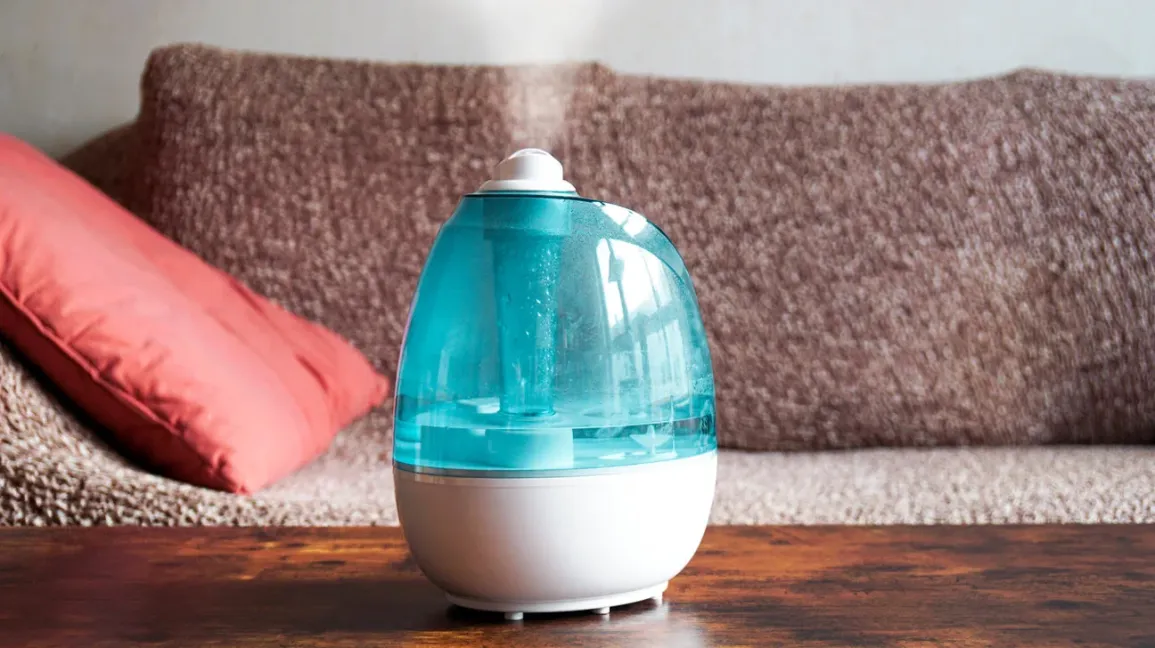
Why Bother Cleaning Your Humidifier Anyway?
Let’s be real for a moment. Cleaning any home appliance can feel like a chore. But when it comes to your humidifier, skipping this step can have some pretty unpleasant consequences. Think of the water tank as a tiny pond. If left to sit, it becomes a perfect breeding ground for things you definitely don’t want to breathe in.
- Mold and Mildew: That “pink slime” you might see is a type of biofilm or bacteria. If you let it go, it can turn into black mold, which releases spores into the mist and directly into your lungs.
- Bacteria Growth: Warm, stagnant water is a paradise for bacteria. When the humidifier mists this contaminated water, it can spread germs throughout your room, potentially leading to respiratory irritation or infections.
- Mineral Buildup (White Dust): If you use tap water, you’ve likely seen this. The white dust is a collection of mineral deposits (like calcium and magnesium) that can clog your machine, reduce its efficiency, and settle on every surface in the room.
As Dr. Eleanor Vance, a leading allergist, often states, “A dirty humidifier can aerosolize mold and bacteria, turning a tool for respiratory health into a source of irritation. Proper, regular cleaning is the single most important factor in its safe operation.”
Essentially, an unclean humidifier doesn’t just fail to improve your air quality; it can actively make it worse. But the good news is, keeping it pristine is easier than you think.
How Often Should I Clean My Humidifier?
For optimal performance and safety, you should follow a simple two-part schedule. A quick daily refresh and a more thorough weekly deep clean are the gold standard for keeping your machine running cleanly and efficiently.
The quick daily routine prevents immediate buildup, while the weekly deep clean tackles any lingering mineral deposits and disinfects the unit. If you use your humidifier 24/7 or live in an area with very hard water, you might even consider deep cleaning it twice a week. Consistency is key.
Bảng trống.Your Step-by-Step Guide on How to Clean a Humidifier
Ready to get started? Grab some white vinegar, and let’s get that humidifier sparkling. This method works for most cool mist, ultrasonic, and evaporative models, but always check your user manual first for any specific instructions.
What You’ll Need:
- Distilled white vinegar
- Water
- A small, soft brush (an old toothbrush works great)
- A soft cloth or sponge
The Cleaning Process:
- Safety First: Unplug and Disassemble
Before you do anything else, unplug the humidifier from the wall. Safety is paramount. Then, carefully take it apart. Empty any remaining water from the tank and the base. Separate the tank from the base and remove any filters, wicks, or small detachable parts. - The Deep Clean: Give it a Vinegar Soak
Vinegar is your secret weapon against mineral buildup, also known as scale. Pour enough undiluted white vinegar into the base to cover the areas where water usually sits. For the tank, mix a solution of one part white vinegar and one part warm water, and fill the tank about halfway. Swish the solution around to coat the entire inside. - Let It Sit and Work Its Magic
Place the vinegar-filled tank back onto the base (if your model allows) and let everything soak for at least 30-60 minutes. This gives the acetic acid in the vinegar time to dissolve all that stubborn scale and gunk. For really heavy buildup, you can let it soak for a few hours. - Scrub and Rinse Thoroughly
After soaking, empty the vinegar solution. Use your soft brush to gently scrub the inside of the tank and the nooks and crannies of the base, dislodging any remaining residue. Once you’re done scrubbing, rinse every single part with clean water until the smell of vinegar is completely gone. This might take a couple of rinses. - Time to Air Dry
This is a step people often skip, but it’s crucial. Wiping the parts down is good, but letting them air dry completely ensures that no moisture is left behind, which could encourage new mold growth. Place all the components on a clean towel and let them sit until they are bone dry. - Reassemble and Enjoy
Once everything is dry, put your humidifier back together. Fill the tank with fresh, clean water (we’ll talk more about that in a second), and you’re ready to enjoy clean, healthy humidity again!
A Quick Note on Disinfecting
For a deeper disinfection, the EPA suggests using a bleach solution after you’ve cleaned with vinegar and rinsed thoroughly. Never, ever mix vinegar and bleach, as this creates toxic chlorine gas. To disinfect, use 1 teaspoon of bleach per gallon of water, let it sit for 30 minutes, and then rinse, rinse, rinse until there is no bleach smell remaining. This step is often unnecessary with regular weekly cleaning.
Pro Tips for a Cleaner, Happier Humidifier
You’ve mastered how to clean a humidifier, but let’s take your air quality game to the next level.
What Kind of Water Is Best for a Humidifier?
The water you use makes a huge difference. While tap water is convenient, it’s full of minerals that cause that white dust and scale buildup. For the best results, use distilled or demineralized water. It’s free of minerals, which means less cleaning for you and cleaner air for your family. This is especially important for ultrasonic humidifiers, which are more prone to creating white dust.
Don’t Forget the Filter!
If you have an evaporative humidifier, it uses a wick filter to draw water up. This filter traps minerals and impurities, but it doesn’t last forever. A clogged, dirty filter can’t do its job and can become a breeding ground for mold. Check your manufacturer’s instructions, but most filters need to be replaced every 1-3 months, depending on usage and water hardness.
Frequently Asked Questions (FAQ)
1. Can I use tap water in my humidifier?
You can, but it’s not recommended. Tap water contains minerals that cause “white dust,” clog your machine, and require more frequent cleaning. Using distilled or demineralized water is the best practice for both your humidifier and your air quality.
2. What is the pink slime in my humidifier and is it harmful?
The pink slime is a common airborne bacterium called Serratia marcescens. While generally harmless to healthy individuals, it can cause problems for those with compromised immune systems. It’s a clear sign that you need to clean your humidifier more often.
3. Can I put essential oils in my humidifier?
Unless your humidifier is specifically designed as an aroma diffuser, you should not add essential oils to the water tank. The oils can degrade the plastic tank, void your warranty, and clog the internal mechanisms of both ultrasonic and evaporative models.
4. How do I get rid of the white dust from my humidifier?
The best way is to prevent it by using distilled water. If you’re already seeing it, the dust is a sign of mineral buildup. Following the steps on how to clean a humidifier with vinegar will help, and switching to mineral-free water will solve the problem for good.
5. My humidifier has a musty smell. What should I do?
A musty smell is a tell-tale sign of mold or mildew growth. It means it’s time for an immediate and thorough deep clean. Follow our step-by-step guide using white vinegar, and make sure to let all parts air dry completely before using it again.
A Breath of Fresh Air Starts with a Clean Machine
Your humidifier is a powerful tool for creating a more comfortable and healthy living space. From easing dry skin in the winter to helping you breathe better year-round, its benefits are clear. But all those benefits depend on one simple routine.
By committing to a regular cleaning schedule, you ensure your device is always producing pure, clean moisture. Now that you know exactly how to clean a humidifier, you can feel confident that you’re not just running a home appliance—you’re actively enhancing your home’s air quality and protecting your family’s well-being. So go ahead, give your humidifier the care it deserves, and take a deep, satisfying breath of fresh air.