Welcome to the Humidifier Go family! As someone who has spent years chasing that perfect, breathable indoor air, I know a humidifier can feel like a miracle worker, especially during those parched winter months or in a home with year-round air conditioning. It’s your trusty sidekick in the battle against dry skin, scratchy throats, and static shocks. But let’s have a little real talk: that wonderful mist it produces is only as clean as the machine itself. That’s why knowing How To Clean A Humidifier With Vinegar isn’t just a chore—it’s the single most important thing you can do to ensure your device is helping, not harming, your home’s air quality.
A neglected humidifier can quickly become a breeding ground for mold, bacteria, and other unwanted guests. Instead of pushing out pure, soothing moisture, it could be circulating microscopic nasties around your living space. Yikes. The good news? You don’t need fancy, expensive chemicals. The hero of this story is likely already in your kitchen pantry: plain old white vinegar.
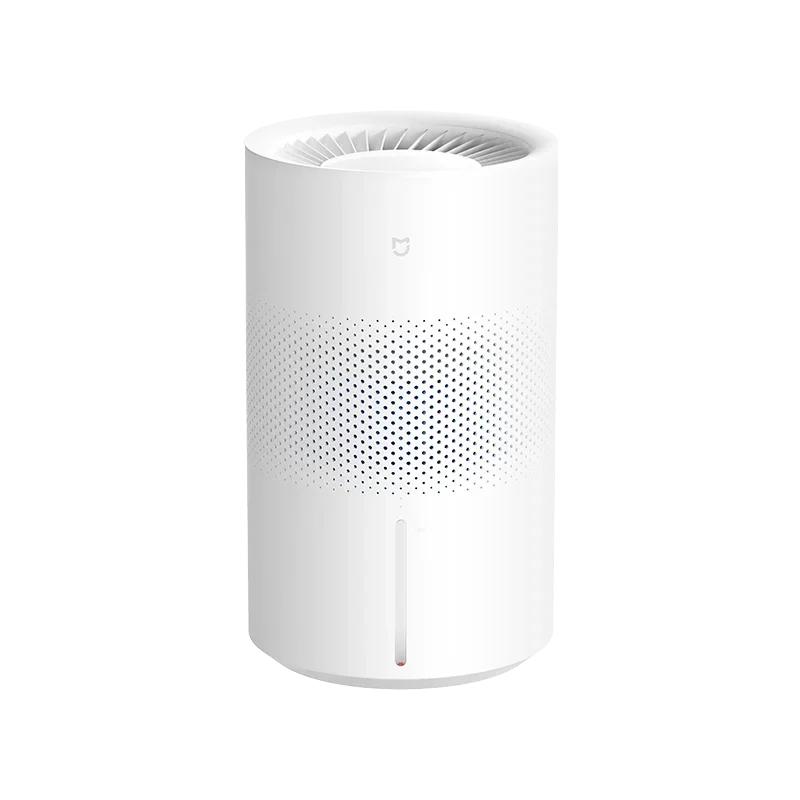
Why Cleaning Your Humidifier is Non-Negotiable
Think of your humidifier like a fish tank. If you never clean it, the water gets murky and unhealthy. The same principle applies here. Stagnant water is a playground for microorganisms. When your humidifier mists this water into the air, you and your family end up breathing it in. This can trigger allergies, asthma, and other respiratory issues—the very things you were trying to prevent!
Another common foe is mineral buildup, often seen as a fine white dust on furniture near your unit. This is a result of using hard tap water. While generally not harmful, it can be a nuisance and can clog your machine, reducing its efficiency.
As our in-house air quality specialist, Dr. Eleanor Vance, always reminds us, “A clean humidifier is the foundation of healthy indoor air. The moisture it adds to the air should be pristine. Regular cleaning isn’t just maintenance; it’s a critical health practice.”
Vinegar, with its natural acetic acid, is a fantastic solution. It’s:
- Effective: It dissolves mineral deposits (that pesky white dust) and disinfects by killing many common types of mold and bacteria.
- Safe: It’s non-toxic and a food-grade product, so you don’t have to worry about harsh chemical residues being vaporized into your air.
- Affordable: A large bottle of white vinegar costs a fraction of specialized cleaning solutions.
Gearing Up: What You’ll Need for the Vinegar Deep Clean
Before you roll up your sleeves, let’s get your toolkit ready. The beauty of this process is its simplicity.
- Distilled White Vinegar: Avoid other types like apple cider or balsamic vinegar.
- Water: Tap water is fine for cleaning, but consider using distilled water for regular operation to prevent mineral buildup.
- A Soft-Bristled Brush: An old toothbrush or a small bottle brush works perfectly.
- A Soft Cloth or Sponge: For wiping down surfaces.
- A Sink or Basin: For rinsing the components.
The Step-by-Step Guide on How to Clean a Humidifier with Vinegar
Ready to give your humidifier the spa day it deserves? Follow these simple steps for a sparkling clean machine. This process is generally safe for most cool mist, warm mist, and ultrasonic models, but always check your user manual first for any specific instructions or warnings.
- Safety First: Unplug and Disassemble
Never, ever clean an appliance while it’s plugged in. Disconnect it from the wall and carefully take it apart. This usually means separating the water tank from the base. Empty any remaining water from both sections. - The Tank Soak: Let Vinegar Work Its Magic
Pour a solution of one part white vinegar and one part warm water directly into the water tank. Fill it about halfway to two-thirds full. Swish the solution around to coat all the interior surfaces. Let it sit for at least 30-60 minutes. For really stubborn mineral buildup, you can let it soak for a few hours. - Tackle the Base: The Delicate Operation
The base contains the electronic components, so you must be careful here. Never submerge the base in water. Pour a small amount of the vinegar solution into the base reservoir (the area where water sits). Use your soft brush to gently scrub away any film or mineral rings. Pay close attention to nooks and crannies where gunk loves to hide. - The Gentle Scrub-Down
After the tank has finished soaking, use your soft brush to scrub the inside. The vinegar will have loosened most of the grime, so you shouldn’t need to apply much pressure. Don’t forget to clean the mist nozzle and any other removable parts. - Rinse, Rinse, and Rinse Again
This step is crucial for getting rid of the vinegar smell. Thoroughly rinse the water tank, the base reservoir, and all other components with cool, clean water. You may need to rinse them several times until the vinegar odor is completely gone. - Air Dry Completely
Wipe everything down with a soft, dry cloth. Then, leave all the parts out to air dry completely before you put them back together. Reassembling a damp humidifier is like inviting mold to move right back in. - Reassemble and Enjoy
Once every piece is bone-dry, put your humidifier back together, fill it with fresh, clean water (preferably distilled!), and breathe easy knowing you’re getting the pure, healthy mist you deserve.
How Often Should I Clean My Humidifier?
For optimal performance and health, you should clean your humidifier regularly. A consistent schedule is the best way to prevent buildup before it becomes a major problem.
A good rule of thumb is to perform a deep clean using this vinegar method once a week, especially during periods of heavy use. On a daily basis, it’s wise to empty the tank and base, rinse them, and dry them before refilling. This simple daily habit prevents water from stagnating.
Your Humidifier Cleaning Checklist:
- Daily: Empty, rinse, and dry the tank and base. Refill with fresh water.
- Weekly: Perform the full vinegar deep clean as described above.
- Monthly: Check the filter (if your model has one). Replace it according to the manufacturer’s instructions, which you can often find detailed in our guides to specific humidifier models.
Pro Tips from the Humidifier Go Experts
Learning how to clean a humidifier with vinegar is the first step. Here are a few extra tips to keep your device in peak condition:
- Choose Your Water Wisely: The best way to combat mineral buildup (“white dust”) is to use distilled or demineralized water. Tap water, especially in hard water areas, is the primary culprit.
- Avoid Bleach and Harsh Chemicals: While bleach is a powerful disinfectant, it can degrade the plastic components of your humidifier and leave behind harmful residues. Stick to vinegar for a safer, more natural clean.
- Don’t Forget the Outside: Give the exterior of your unit a quick wipe-down with a damp cloth every week to keep it free of dust.
Frequently Asked Questions (FAQ)
What if my humidifier still smells after cleaning with vinegar?
If a faint vinegar smell lingers, rinse the components again with plenty of cool water and let them air out for a few extra hours. If there’s a musty smell, you may not have eliminated all the mold. You might need to repeat the cleaning process, letting the vinegar soak a bit longer.
Can I use apple cider vinegar to clean my humidifier?
It’s best to stick with distilled white vinegar. Apple cider vinegar is less acidic and contains sugars and sediments that could leave a sticky residue or even encourage new bacterial growth.
Is cleaning with vinegar safe for all types of humidifiers?
Vinegar is safe for the vast majority of humidifiers, including ultrasonic and evaporative models. However, it is always your best bet to consult your device’s manual. Some manufacturers may have specific recommendations.
How do I clean the wick filter in my evaporative humidifier?
Most wick filters are designed to be disposable and should not be cleaned with vinegar, as it can break down the paper fibers. You can sometimes rinse them in cool water to extend their life slightly, but they should be replaced regularly according to the manufacturer’s guidelines.
Why is there pink or orange slime in my humidifier?
That lovely pink slime is a common airborne bacterium called Serratia marcescens. It thrives in damp environments. The good news is that a regular weekly cleaning with vinegar is highly effective at keeping it at bay.
A Breath of Fresh Air
There you have it—a simple, effective, and all-natural method to keep your home appliance running safely and efficiently. By making this weekly cleaning ritual a habit, you transform your humidifier from a simple comfort device into a powerful tool for promoting genuine respiratory wellness. Learning how to clean a humidifier with vinegar is your ticket to a healthier, more comfortable home environment, ensuring every breath you take is as clean and refreshing as it should be.