As the seasons shift and the air outside loses its chilly bite, you might be thinking about packing away your trusty humidifier. Storing a humidifier correctly involves a thorough cleaning, complete drying, and placement in a cool, dry environment to prevent mold, bacteria, and mineral buildup, ensuring it’s ready for use next season. This process typically takes about 1-2 hours, including drying time, and significantly extends the appliance’s lifespan while maintaining healthy indoor air quality.
Think of it like putting away your winter coat. You wouldn’t just throw a damp, dirty coat in the back of the closet for months. The same principle applies here. A humidifier with lingering water or mineral deposits can quickly become a breeding ground for mold and bacteria. When you turn it back on next season, you could be unknowingly pumping those nasty particles right back into your air. Let’s make sure that doesn’t happen. This guide will walk you through the exact steps to store your unit like a pro, ensuring it’s fresh, clean, and ready to go when you need it most.
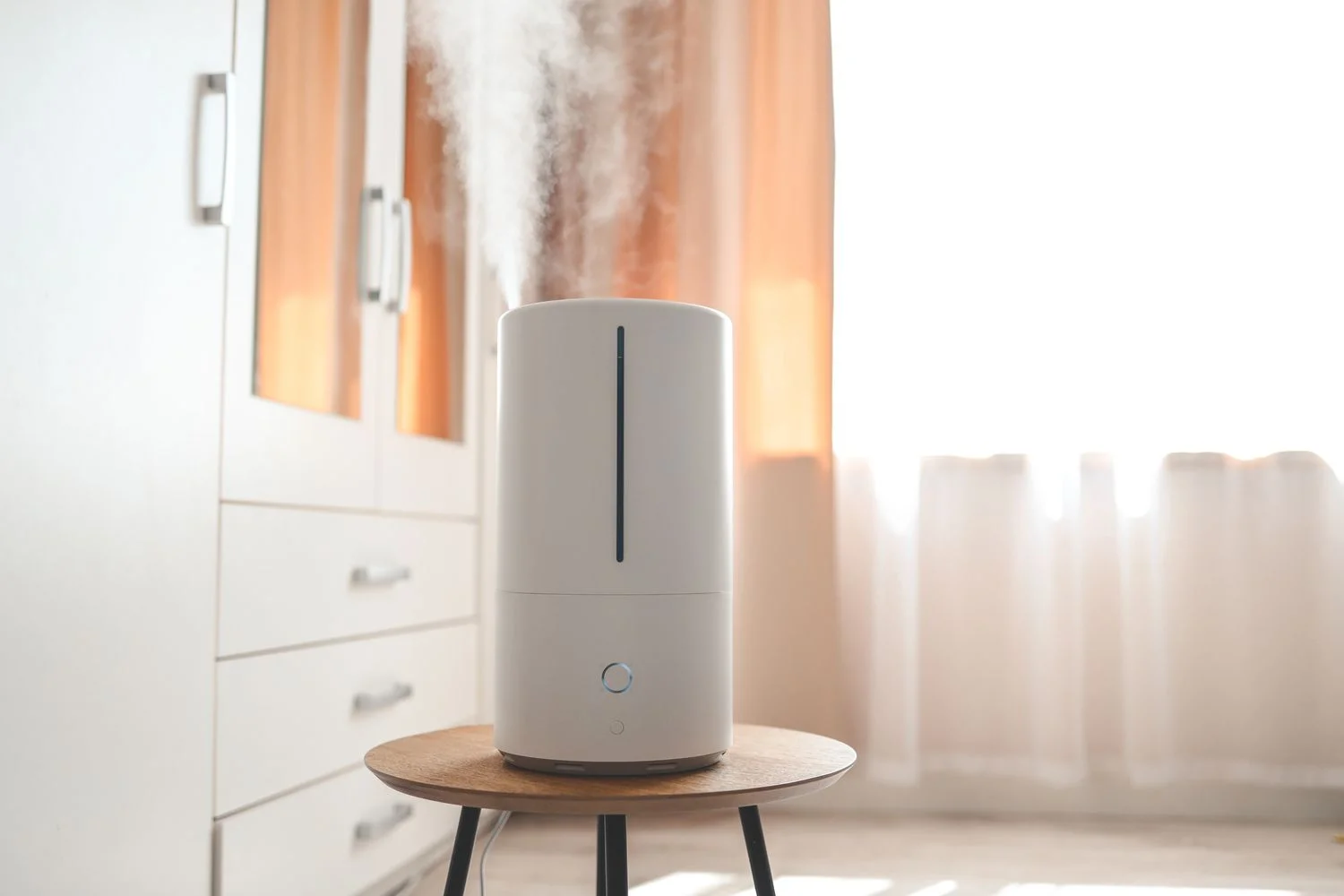
Why You Can’t Just Unplug and Store Your Humidifier
So, what’s the big deal? It’s just a little water, right? The problem lies in what that “little water” can become over time in a dark, enclosed space. Storing a damp humidifier is an open invitation for problems that can affect both your health and your wallet.
- Mold and Mildew Growth: This is the number one enemy. Even a small amount of leftover water in the tank or base can cultivate mold spores. When you power the unit up again, these spores are dispersed throughout your room, which can trigger allergies and respiratory issues—the very things you’re trying to prevent!
- Bacterial Contamination: Standing water is a paradise for bacteria. Over a summer in storage, these colonies can flourish, creating a biofilm (that slimy gunk) on the internal components.
- Hardened Mineral Deposits: If you use tap water, it contains minerals like calcium and magnesium. As water evaporates, these minerals are left behind as a white, chalky scale. If left to dry and harden over months, this scale can clog the machine’s delicate parts, like the ultrasonic nebulizer or the wicking filter, severely reducing its efficiency or breaking it entirely.
- Foul Odors: The combination of stagnant water, bacteria, and mildew creates a musty, unpleasant smell that can be difficult to get rid of.
As Dr. Eleanor Vance, a leading allergist, often says, “Proper appliance maintenance is your first line of defense against indoor air pollutants. A clean humidifier supports respiratory health; a dirty one can unfortunately undermine it.”
Properly preparing your humidifier for storage isn’t just a chore; it’s an investment in your health and the durability of your home appliance.
Your Step-by-Step Guide on How to Store a Humidifier
Ready to get it done right? The entire process can be broken down into a simple mantra: Clean, Dry, and Store Smartly. Follow these steps, and your humidifier will thank you for it.
Step 1: Disconnect and Disassemble
Bảng trống.First things first: safety. Unplug the humidifier from the wall outlet. Then, carefully disassemble it. This usually means separating the water tank from the base. If your model has other removable parts, like a mist nozzle or filter cover, take those off as well. Empty any remaining water from both the tank and the reservoir in the base.
Step 2: The Deep Clean, Part 1 – Descaling
Now, we tackle those pesky mineral deposits. This is the secret to keeping your machine running efficiently.
- Create a Vinegar Solution: Mix equal parts white vinegar and water. You’ll need enough to fill the base and swish around in the tank.
- Soak the Base: Pour the vinegar solution into the base, ensuring it covers the reservoir and any areas with visible scale buildup. Let it soak for at least 30-60 minutes. For stubborn scale, you might need a bit longer.
- Clean the Tank: Pour the remaining solution into the water tank, seal the cap, and shake it vigorously for a minute or two. Let it sit for the same amount of time as the base.
- Gently Scrub: After soaking, use a soft-bristled brush (an old toothbrush works wonders) to gently scrub away any loosened mineral deposits. Be extra careful around delicate components like the ultrasonic plate in an ultrasonic humidifier.
- Rinse Thoroughly: Pour out the vinegar solution and rinse both the tank and the base several times with cool water until the vinegar smell is gone.
Step 3: The Deep Clean, Part 2 – Disinfecting
After descaling, it’s crucial to disinfect the unit to eliminate any lingering bacteria or mold spores.
- Prepare a Disinfectant: You can use a solution of 1 teaspoon of 3% hydrogen peroxide per gallon of water, or a very mild bleach solution (1 teaspoon of bleach per gallon of water). Important: Never mix vinegar and bleach, as this creates toxic chlorine gas. Ensure all vinegar is rinsed out before this step.
- Disinfect: Fill the tank and base with your chosen disinfecting solution and let it sit for about 30 minutes. Swish it around occasionally to ensure it reaches all surfaces.
- Rinse, Rinse, Rinse: This is critical. After disinfecting, rinse all components multiple times with cool, clean water. You want to make sure no chemical residue is left behind.
Step 4: Address the Filter
If you have an evaporative humidifier, the wick filter is a key component.
- Check the Filter: Is it hard, crusty with minerals, or discolored? If so, it’s time to throw it away. A used filter can harbor mold during storage. It’s almost always best practice to start a new season with a fresh filter.
- Never Store a Wet Filter: Do not attempt to clean and store a used filter. The risk of mold growth is simply too high.
Step 5: The Final and Most Important Step – Air Dry Completely
I cannot stress this enough: every single piece of your humidifier must be bone-dry before you pack it away.
- Lay all the components out on a clean, dry towel.
- Let them air dry for several hours, or even overnight.
- Wipe down any crevices with a microfiber cloth to ensure no moisture remains. Rushing this step is what leads to musty smells and mold growth.
Step 6: Box It Up for Storage
Once everything is clean and completely dry, it’s time to pack it up.
- Reassemble Loosely: You can loosely place the tank back on the base, but don’t seal it. This allows for a tiny bit of air circulation.
- Use the Original Box: The best storage container is the box your humidifier came in. It’s designed to protect the unit perfectly. If you don’t have it, a sturdy plastic bin with a loose-fitting lid will work.
- Store in a Cool, Dry Place: Choose a storage spot that is climate-controlled. A linen closet or a bedroom closet is ideal. Avoid places with high humidity or extreme temperature swings, like a damp basement, a hot attic, or a garage.
How Often Should I Clean My Humidifier During Use?
This is a fantastic question because regular maintenance is key to good air quality. Proper cleaning during the season makes the end-of-season storage process much easier.
As a general rule, you should rinse and refill your humidifier with fresh water daily. A more thorough cleaning, including descaling and disinfecting, should be done at least once a week, especially if you are using it every day or have hard water.
Quick Cleaning Checklist:
- Daily: Empty, rinse, and refill the tank with fresh, distilled, or demineralized water.
- Weekly: Perform the full descale and disinfect process (Steps 2 & 3 above).
- Before Storing: Perform the complete deep clean and drying process as outlined in this guide.
Frequently Asked Questions (FAQ)
Q: Can I store my humidifier with the filter still inside?
A: It is highly recommended to discard the used filter before storing your humidifier. A damp, used filter is a prime location for mold to grow over the off-season. Starting with a fresh filter next year is the best choice for your health.
Q: What if I open my stored humidifier and it smells musty?
A: A musty smell indicates that some moisture was trapped, leading to mildew growth. You will need to perform the entire deep cleaning and disinfecting process again. Pay extra attention to rinsing and let it air out for a day or two before using it. If the smell persists, it might be time to replace the unit.
Q: I lost the original box. What’s the best way to store my humidifier?
A: If the original box is gone, a clean plastic storage container is your next best option. Choose one that is slightly larger than the unit to avoid pressure on any parts. You can wrap the humidifier in a clean, dry towel or an old sheet inside the bin for extra protection against dust and scratches.
Q: Do I need to clean a brand-new humidifier before using or storing it?
A: Yes, it’s a good practice to give a new humidifier a rinse and light cleaning before its first use to remove any dust or residue from the manufacturing process. If you buy a unit off-season and plan to store it immediately, it’s best to take it out of the box to ensure it’s dry and store it properly.
Q: Will learning how to store a humidifier properly make it last longer?
A: Absolutely. Proper storage prevents mineral buildup from hardening and damaging internal components and stops mold from degrading plastic parts. A well-maintained humidifier can provide you with comfortable, healthy air for many years.
Your Partner for Better Air
Taking the time to properly clean, dry, and store your humidifier is a simple act that pays huge dividends. You’re not just protecting an appliance; you’re protecting your family’s respiratory health and ensuring your home remains a sanctuary of clean, comfortable air. By following these steps on how to store a humidifier, you can rest easy knowing that when the dry air returns, your device will be in perfect condition, ready to get back to work.
Frequently Asked Questions
Can I store my humidifier with the filter still inside?
It is highly recommended to discard the used filter before storing your humidifier. A damp, used filter is a prime location for mold to grow over the off-season, potentially spreading spores when reactivated. Starting with a fresh filter next year is the best choice for your health and the unit's efficiency.
What if I open my stored humidifier and it smells musty?
A musty smell indicates that some moisture was trapped, leading to mildew growth. You will need to perform the entire deep cleaning and disinfecting process again, as outlined in this guide. Pay extra attention to rinsing and let it air out for a day or two before using it. If the smell persists after a thorough cleaning, it might be time to replace the unit to ensure healthy air quality.
I lost the original box. Whatu2019s the best way to store my humidifier?
If the original box is gone, a clean plastic storage container is your next best option. Choose one that is slightly larger than the unit to avoid pressure on any parts. You can wrap the humidifier in a clean, dry towel or an old sheet inside the bin for extra protection against dust and scratches, ensuring it remains in good condition.
Do I need to clean a brand-new humidifier before using or storing it?
Yes, it's a good practice to give a new humidifier a rinse and light cleaning before its first use to remove any dust or residue from the manufacturing process. If you buy a unit off-season and plan to store it immediately, it's best to take it out of the box to ensure it's completely dry and store it properly according to the steps outlined in this guide.
Will learning how to store a humidifier properly make it last longer?
Absolutely. Proper storage prevents mineral buildup from hardening and damaging internal components, which can significantly reduce the machine's lifespan. It also stops mold and bacteria from degrading plastic parts and causing foul odors. A well-maintained humidifier can provide you with comfortable, healthy air for many years, often extending its operational life by 2-3 seasons or more.
How to Store a Humidifier Properly
Learn the essential steps to clean, dry, and store your humidifier to prevent mold, bacteria, and mineral buildup, ensuring it's ready for use next season and extending its lifespan.
Unplug the humidifier from the wall outlet for safety. Carefully separate the water tank from the base and remove any other detachable parts like mist nozzles or filter covers. Empty all remaining water from both the tank and the base reservoir.
Mix equal parts white vinegar and water to create a descaling solution. Pour this solution into the base and tank, letting it soak for 30-60 minutes to loosen mineral buildup. After soaking, gently scrub with a soft brush and rinse thoroughly with cool water until the vinegar smell is gone.
Prepare a disinfectant solution using 1 teaspoon of 3% hydrogen peroxide per gallon of water, or a mild bleach solution (1 teaspoon per gallon). Fill the tank and base with this solution and let it sit for about 30 minutes. Rinse all components multiple times with cool, clean water to remove any chemical residue.
If your humidifier has a wick filter, discard it if it's crusty or discolored; never store a wet, used filter. Lay all cleaned components on a clean, dry towel and allow them to air dry completely for several hours or overnight. Ensure every piece is bone-dry to prevent mold and musty odors during storage.
Once all parts are completely dry, loosely reassemble the tank onto the base to allow for air circulation. Store the humidifier in its original box or a sturdy plastic bin with a loose-fitting lid. Choose a cool, dry, climate-controlled location like a linen closet, avoiding damp basements or hot attics.
Pet products vetted on real animals
Practical specs, not advice. Unsubscribe anytime.
I used to just empty my humidifier and shove it in the closet, but after reading about preventing mold and bacteria, I’m so glad I found this guide. The tip about ensuring it’s completely dry before storage is a game-changer. It really makes sense to treat it like a winter coat, and I appreciate knowing I’m not just putting nasty particles back into the air next year.
I’ve always struggled with how to store a humidifier properly, and this guide was exactly what I needed. The comparison to putting away a winter coat really clicked for me. I used to just let it air dry for a bit, but now I’m much more diligent about making sure there’s no lingering water. My humidifier will definitely be ready for next season!
The advice here is solid, especially about the cool, dry environment. My only minor complaint is that the 1-2 hours for cleaning and drying time felt a bit optimistic for my larger unit. It took me closer to 3 hours with all the nooks and crannies. Still, it’s worth it to maintain healthy indoor air quality, just be prepared for a bit more time if you have a big one.
This was super helpful! I always wondered if I was storing my humidifier correctly. The detailed steps on cleaning and drying really put my mind at ease. I used to just do a quick rinse, but now I understand why a more thorough cleaning is necessary to avoid mineral buildup. It’s good to know I’m extending its lifespan.