Let’s be honest, we’ve all felt it. That sudden static shock when you touch a doorknob in winter, the scratchy throat that greets you in the morning, or that uncomfortably dry feeling in your skin. These aren’t just minor annoyances; they’re signs from your body that the air in your home is crying out for moisture. That’s where a humidifier comes in, and that’s why we at Humidifier Go have crafted this ultimate Humidifier Buying Guide to help you transform your living space into an oasis of comfort and health. Choosing the right appliance can feel overwhelming, but don’t worry. I’ve been there, and I’m here to walk you through every step, making it simple and clear.
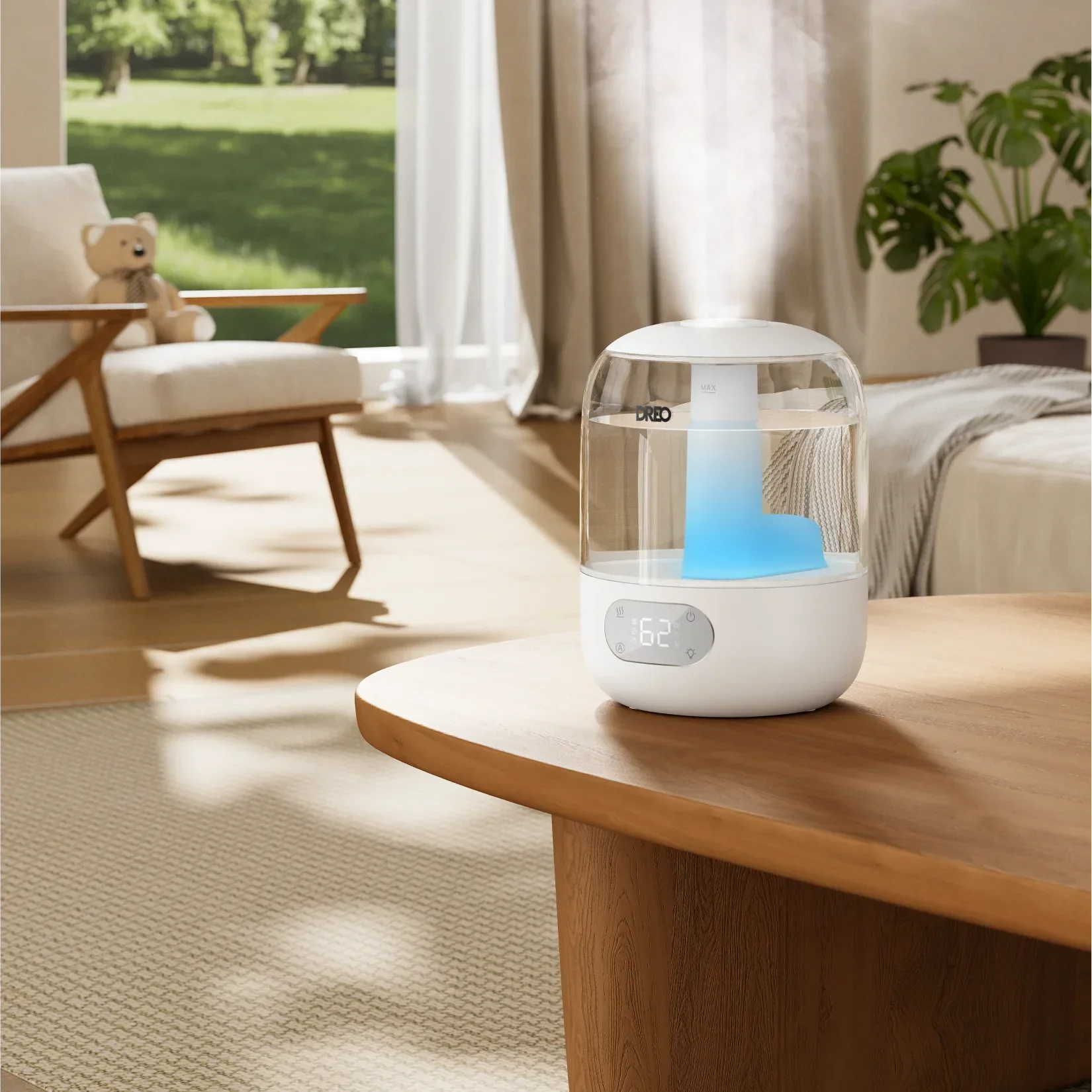
So, Why Bother With a Humidifier Anyway?
Before we dive into the nuts and bolts of different models, let’s talk about the why. What can a simple home appliance that adds water vapor to the air actually do for you? You’d be surprised. Maintaining an ideal indoor humidity level (experts recommend between 40% and 60%) is a game-changer for your overall well-being.
Here are just a few of the incredible benefits:
- Breathe Easier, Sleep Deeper: Properly humidified air soothes your nasal passages and throat, which can help alleviate congestion, reduce snoring, and ease symptoms of colds, allergies, and asthma. I used to struggle with waking up congested every winter morning until I placed a humidifier by my bed. The difference was night and day.
- Happier Skin and Hair: Dry air leaches moisture from your body, leading to chapped lips, itchy skin, and brittle hair. A humidifier helps your skin and hair retain their natural moisture, leaving you feeling more comfortable and looking more vibrant.
- Protect Your Home and Furnishings: That same dry air that affects you also affects your house. It can cause wood floors, furniture, and even musical instruments to crack and warp. A humidifier helps preserve your valuable belongings.
- Create a Thriving Indoor Garden: Your houseplants will thank you! Many popular indoor plants, especially tropical varieties, flourish in a more humid environment.
- Reduce the Spread of Viruses: Some studies suggest that airborne viruses, like the flu, don’t travel as easily in properly humidified air.
Decoding the Tech: The Different Types of Humidifiers
Okay, you’re sold on the benefits. Now comes the fun part: choosing your new wellness companion. The main difference between humidifiers lies in how they get moisture into the air. Let’s break down the most common types.
Ultrasonic Humidifiers
These are incredibly popular, and for good reason. Think of it this way: inside the unit, a tiny ceramic diaphragm vibrates at an ultrasonic frequency—so fast you can’t hear it—which breaks water droplets into a super-fine, visible cool mist.
- Pros:
- Whisper-Quiet: Since there’s no fan, they are often the quietest option, making them perfect for bedrooms and offices.
- No Filters: Most models don’t require replacement filters, which saves on long-term costs.
- Energy Efficient: They typically use very little electricity.
- Cons:
- “White Dust”: If you use hard tap water, the mineral deposits can be released into the air as a fine white dust that settles on furniture. Using distilled or demineralized water solves this completely.
Evaporative Humidifiers
This is the most traditional and natural method of humidification. An internal fan blows air across a water-saturated wick or filter. The air absorbs the moisture and then releases it into the room. It’s like a mini-version of how the wind creates humidity over a lake.
- Pros:
- Self-Regulating: They won’t over-humidify a room. As the air becomes more saturated, the evaporation rate naturally slows down.
- No White Dust: The wick filter traps mineral deposits from tap water, so they aren’t released into your air.
- Affordable: These models are often very budget-friendly.
- Cons:
- Filter Replacement: The wick filter needs to be cleaned regularly and replaced every few months to prevent mold and bacteria growth.
- Fan Noise: The internal fan creates a low humming sound, which can be soothing “white noise” for some but a distraction for others.
Warm Mist Humidifiers (Vaporizers)
These units use an internal heating element to boil water, releasing a warm, soothing steam into the air. They are a bit like a tea kettle that’s been designed to run safely for hours.
- Pros:
- Kills Germs: The boiling process kills waterborne bacteria and mold, ensuring a pure, sanitized mist.
- Soothing for Sickness: The warm mist can be especially comforting when you have a cold or the flu, helping to loosen chest congestion.
- Slightly Warms a Room: They can make a small room feel a bit cozier during cold winter months.
- Cons:
- Safety Hazard: The hot water and steam pose a burn risk, so they are not recommended for homes with young children or pets.
- Higher Energy Consumption: It takes more energy to boil water than to create a cool mist.
- Requires Frequent Cleaning: Mineral deposits (scale) can build up on the heating element and need to be cleaned regularly.
The Ultimate Humidifier Buying Guide Checklist
Ready to find your perfect match? Ask yourself these questions. This is the core of our humidifier buying guide.
What’s Your Room Size?
This is the most important factor. A small bedroom unit will be useless in a large, open-plan living room. Humidifiers are rated by the square footage they can cover.
- Small Rooms (up to 300 sq. ft.): Think bedrooms, nurseries, or home offices. A compact tabletop model will do the trick.
- Medium Rooms (300-500 sq. ft.): For larger bedrooms or living rooms. Look for a medium-sized console or tower model.
- Large or Multiple Rooms (500+ sq. ft.): For great rooms, open-concept spaces, or whole-house solutions. A large console unit is your best bet.
Cool Mist vs. Warm Mist?
This is a matter of personal preference and safety.
- Choose Cool Mist if: You have children or pets (for safety), you live in a warmer climate, or you want the most energy-efficient option. Ultrasonic and evaporative models produce cool mist.
- Choose Warm Mist if: You want the most hygienic mist, you find warm air more soothing for congestion, or you’d like to add a little warmth to a chilly room.
Dr. Eleanor Vance, a leading allergist, notes, “For most people, especially those with allergies, the type of mist is less important than the consistency of use. Maintaining proper humidity is a first line of defense against airborne irritants. Just ensure you’re cleaning the unit properly.”
What Features Actually Matter?
Don’t get dazzled by a million buttons. Focus on features that add real convenience.
- Adjustable Humidistat: This is a must-have. It measures the room’s humidity and automatically turns the unit on and off to maintain your desired level. This prevents over-humidification and saves energy.
- Timer: Lets you set the humidifier to run for a specific number of hours.
- Auto-Shutoff: A crucial safety feature that turns the unit off when the water tank is empty.
- Tank Size & Run Time: A larger tank means less frequent refilling. Look for a run time that will last through the night (at least 8-12 hours on a low setting).
- Ease of Cleaning: Look for models with wide tank openings and fewer hard-to-reach parts. Your future self will thank you.
How Do I Keep My Humidifier Clean and Safe?
A dirty humidifier can do more harm than good, releasing bacteria and mold into the air. Proper maintenance is non-negotiable for healthy air quality.
The best practice is to give your humidifier a thorough cleaning once a week during periods of use. This prevents the buildup of mineral scale and biofilm, ensuring the mist it produces is clean and healthy.
Here’s a simple cleaning routine:
- Unplug the unit and empty any remaining water from the tank and base.
- Descale with Vinegar: Fill the tank and/or base with a solution of one part white vinegar to one part water. Let it sit for at least 30-60 minutes to dissolve any mineral buildup.
- Scrub and Rinse: Use a soft brush or cloth to gently scrub the tank and base. Be sure to get into any small crevices. Rinse all parts thoroughly with clean water to remove the vinegar smell.
- Disinfect (Optional but Recommended): You can follow up with a very dilute bleach solution (about 1 teaspoon of bleach per gallon of water) for a final disinfection. Let it sit for 10-15 minutes, then rinse, rinse, rinse! It’s critical to rinse thoroughly until you can no longer smell bleach.
- Dry Completely: Allow all parts to air dry completely before reassembling and using.
A Note from the Pros: Never let water sit in your humidifier’s tank or base for days on end. If you’re not going to use it for a day or two, empty it, rinse it, and let it dry.
Pro Tips from Humidifier Go
- Use Distilled Water: To completely avoid white dust from an ultrasonic model and reduce scale buildup in any type of unit, use distilled or demineralized water.
- Get a Hygrometer: This inexpensive device measures the humidity level in your room, so you can adjust your humidifier for perfect results and avoid making the air too damp.
- Proper Placement: Place your humidifier on a flat, water-resistant surface at least a few feet away from walls, furniture, and electronics to allow for good air circulation.
Frequently Asked Questions About Humidifiers
What is the ideal humidity level for a home?
The ideal indoor humidity level is between 40% and 60%. Below 30% is too dry, and above 60% can encourage the growth of mold and mildew. A hygrometer is the best tool to monitor this.
Can I use essential oils in my humidifier?
Unless your humidifier is specifically designed with an aromatherapy tray or diffuser function, do not add essential oils directly to the water tank. The oils can damage the plastic components and clog the internal mechanisms.
How often should I change the filter in an evaporative humidifier?
You should typically change the wick filter every 1 to 3 months, depending on your water hardness and how often you use the unit. If the filter becomes hard, crusty, or starts to smell, it’s time for a new one.
Is the white dust from my ultrasonic humidifier harmful?
The white dust is simply mineral deposits from hard water. While it’s generally not harmful for most people, it can be an issue for individuals with asthma or other respiratory sensitivities. Using distilled water is the best way to prevent it.
Will a humidifier make my room feel cold?
A cool mist humidifier can make a room feel slightly cooler due to the evaporative cooling effect, which can be a bonus in warmer months or climates. A warm mist humidifier will make a room feel slightly warmer.
Your Journey to Better Air Starts Now
Choosing the right appliance doesn’t have to be a chore. It’s an investment in your health, your comfort, and your home. By considering your room size, lifestyle, and desired features, you can find the perfect humidifier to combat the effects of dry air. We hope this humidifier buying guide has empowered you with the knowledge and confidence to make a great choice. Now go on, take a deep breath—you deserve for it to be a clean, comfortable, and healthy one.