There are few things more frustrating than walking into a room to find a puddle of water spreading from the base of your trusted home appliance. You bought a humidifier to improve your home’s air quality, not to test your floor’s water resistance. If you’ve discovered your humidifier leaking water from the bottom, don’t panic. As the senior consultant for Humidifier Go, I’ve seen this exact scenario countless times, and the good news is that the fix is often surprisingly simple. This isn’t just about mopping up a mess; it’s about understanding your machine so you can get back to enjoying the benefits of perfectly balanced indoor humidity—from easier breathing and softer skin to a better night’s sleep. Let’s roll up our sleeves and diagnose this problem together. We’ll get your humidifier back in top shape and your floors dry in no time.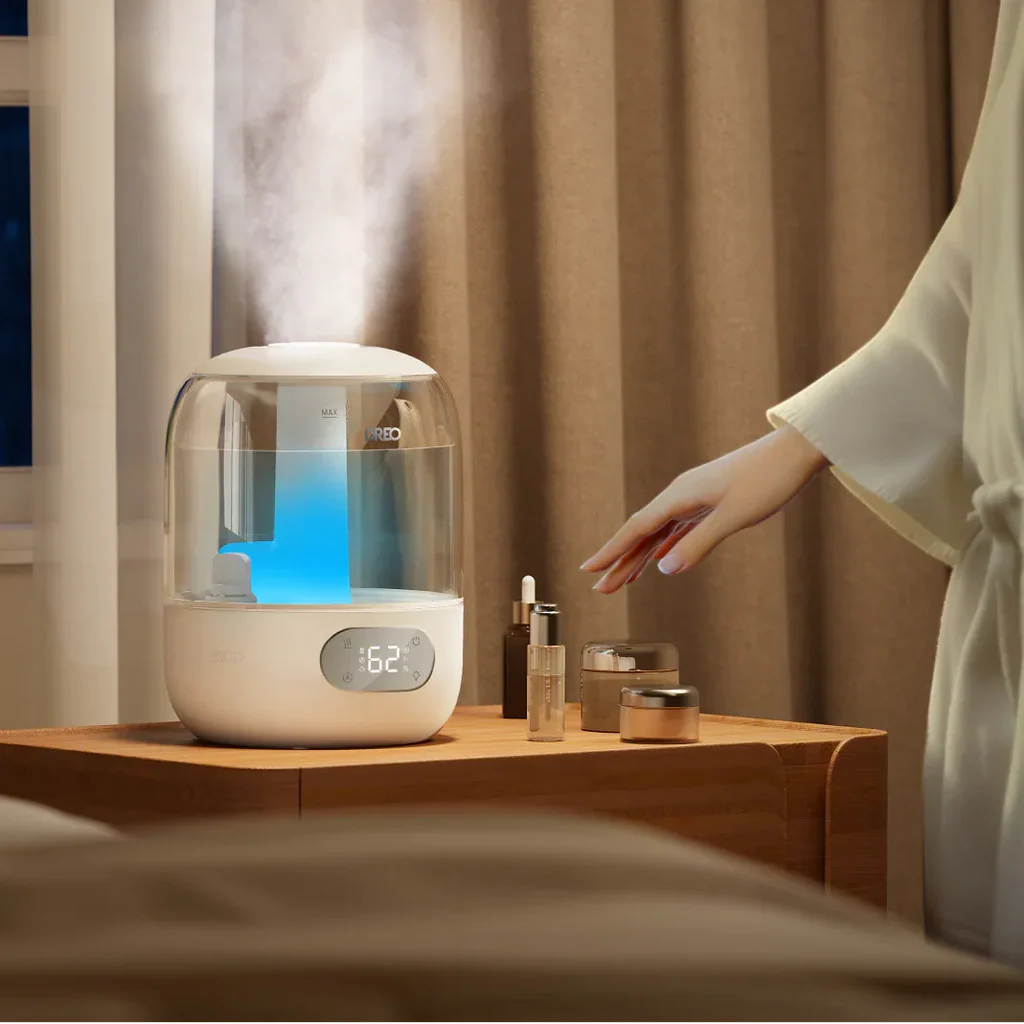
Why Is My Humidifier Leaking Water From the Bottom?
First things first, we need to play detective. A leak from the base of your humidifier usually points to one of a handful of common culprits. Before you assume the worst (like a completely broken unit), let’s walk through the most likely reasons for that unwelcome puddle.
- Improper Tank Placement: This is, by far, the most common reason. Think of it like screwing the cap back on a water bottle. If it’s not seated perfectly on the threads, it will leak. Your humidifier’s water tank needs to sit securely and evenly on the base to create a proper seal. Even a slight misalignment can allow water to seep out.
- A Cracked Water Tank or Base: Over time, plastic can become brittle. A small, hairline crack in the water tank or the base of the unit is a surefire way for water to escape. These can be tough to spot, so you’ll need to inspect the unit carefully, preferably in good light.
- Worn Out Gasket or Seal: Many humidifiers have a rubber or silicone gasket or O-ring that seals the connection between the tank and the base. With age and use, this seal can dry out, crack, or become dislodged, compromising the watertight connection.
- Mineral Buildup (Scale): If you use tap water, you’re familiar with that chalky, white residue called scale. This mineral buildup can accumulate in the nooks and crannies of your humidifier, especially in the channels where water flows from the tank to the nebulizer or wick. A significant clog can cause water to back up and overflow, escaping from the base.
- Condensation: Sometimes, the “leak” isn’t a leak at all. If you have the humidifier running on a high setting in a cool room, the moisture it produces can condense on the unit itself and surrounding surfaces. This condensation can then drip down and pool at the base, making it look like your humidifier leaking water from the bottom.
Your Step-by-Step Guide to Fixing the Leak
Ready to solve the mystery? Follow these steps in order. This process will help you identify the problem and, in most cases, fix it right away. For shop curated home air on this site.
- Safety First: Unplug the Unit. Before you do anything else, disconnect your humidifier from the power source. Water and electricity are a dangerous mix, so never skip this step.
- Empty and Disassemble. Carefully lift the water tank off the base and pour out any remaining water. Place both the tank and the base on a towel on a flat surface like a kitchen counter.
- The Great Inspection. Now, look closely.
- Check for Cracks: Hold the empty tank and the base up to a light. Slowly rotate them, looking for any hairline fractures or cracks. Pay special attention to the bottom of the tank and the seams of the base.
- Examine the Seal: Find the rubber or silicone gasket. Is it in place? Does it look brittle, cracked, or squashed flat? Gently remove it if you can and check for any debris trapped underneath.
- A Thorough Cleaning. Whether you see buildup or not, a deep clean is always a good idea. Use a solution of equal parts water and white vinegar to soak the base and tank for about 30 minutes. Use a soft brush to gently scrub away any visible mineral deposits. Rinse everything thoroughly with clean water and let it air dry completely.
“Regular cleaning is the single most important thing you can do for your humidifier’s performance and longevity,” notes Dr. Eleanor Vance, a leading allergist. “It not only prevents leaks but also ensures you’re breathing in clean, healthy mist, free from mold or bacteria.”
- Reassemble with Care. Once everything is clean and dry, reassemble your unit. Make sure the gasket is properly seated. When you place the tank back on the base, do it slowly and deliberately. You should feel it settle into place securely. Don’t force it.
- The Test Run. Place the humidifier on a water-resistant surface (or put a towel under it) for a trial run. Fill the tank only partway, plug it in, and turn it on. Watch it for 15-20 minutes to see if any new puddles form.
If the leak is gone, congratulations! The issue was likely improper seating or a minor clog. If it persists, the problem is probably a crack or a failed seal, which may require a replacement part or a new unit.
Prevention is Better Than a Puddle: Proactive Humidifier Care
You’ve fixed the leak, now let’s make sure it never happens again. Proper maintenance is the key to a long-lasting, leak-free humidifier and optimal indoor air quality.
How often should I clean my humidifier?
Bảng trống.You should give your humidifier a light cleaning at least once a week. This involves rinsing the tank and base and wiping them dry. A deeper clean with a vinegar solution, as described above, should be performed every two to four weeks, depending on your water hardness and how often you use the unit.
The Great Water Debate: Tap vs. Distilled
Using distilled or demineralized water is a game-changer for your humidifier. Tap water contains minerals that create that pesky white dust and cause scale buildup, which is a primary cause of malfunctions and leaks. Distilled water is free of these minerals, which means:
- Less cleaning: You’ll drastically reduce the speed of scale buildup.
- Longer lifespan: You protect the delicate internal components, like the ultrasonic nebulizer in a cool mist model.
- Cleaner air: You prevent fine mineral dust from being dispersed into your home’s atmosphere.
While it’s a small extra cost, think of it as an investment in your health and your home appliance.
Understanding Your Humidifier: A Quick Primer
Not all humidifiers are created equal, and knowing your type can help with troubleshooting.
| Humidifier Type | How It Works | Common Leak-Related Issues |
|---|---|---|
| Ultrasonic | Uses a high-frequency vibrating diaphragm to create a cool, fine mist. | Mineral buildup on the diaphragm can impede function and cause overflow. |
| Evaporative | A fan blows air through a saturated wick or filter, causing the water to evaporate. | A clogged, dirty, or improperly installed wick can block water flow, leading to a backup and leak. |
| Warm Mist | A heating element boils water to create steam, which is then cooled before release. | Heavy mineral scaling on the heating element can cause inefficiency and potential overflow. |
Regardless of the type, the core principles of a secure tank, clean pathways, and functioning seals remain the same. Keeping your specific model clean according to the manufacturer’s instructions is your best defense against leaks.
Frequently Asked Questions
Q: What if my humidifier is still leaking after I cleaned and reassembled it?A: If a thorough cleaning and careful reassembly didn’t solve the problem, you almost certainly have a physical defect. Double-check for a hairline crack in the tank or base, as these can be very hard to see. If you find one, the unit will likely need to be replaced.Q: Can I use super glue to fix a crack in my humidifier tank?A: We strongly advise against this. Most glues are not waterproof or food-safe, and chemicals could leach into the water and be dispersed into the air you breathe. It’s much safer to replace a cracked tank or the entire unit.Q: Is it safe to run a humidifier that is leaking slightly?A: Absolutely not. Any appliance leaking water poses an electrical shock hazard. Unplug it immediately and do not use it again until the source of the leak has been identified and permanently fixed.Q: My leak seems to be coming from the mist outlet, not the bottom. What’s causing this?A: This is usually a sign of over-saturation or condensation. Your room’s humidity may already be high, or the setting on your humidifier is too powerful for the space. Try turning the mist level down or placing the unit in a larger, more open area.Q: Why is there water on the table around my humidifier but the base itself is dry?A: This is classic condensation. The fine mist is settling on the cool surface of the table before it can evaporate into the air. Try placing your humidifier on a higher surface and lowering the mist output setting.
A Dry Floor and Fresh Air
A humidifier leaking water from the bottom can feel like a major headache, but as you’ve seen, the solution is often within your reach. By taking a methodical approach to cleaning, inspecting, and reassembling your unit, you can resolve the issue and get back to enjoying a healthier, more comfortable home environment. Regular maintenance isn’t just a chore; it’s the secret to ensuring your investment in better air quality pays off for years to come.
Frequently Asked Questions
What if my humidifier is still leaking after I cleaned and reassembled it?
If a thorough cleaning and careful reassembly didn't solve the problem, you likely have a physical defect. Double-check for a hairline crack in the tank or base, as these can be very hard to see. If found, the unit will probably need to be replaced.
Can I use super glue to fix a crack in my humidifier tank?
We strongly advise against using super glue. Most glues are not waterproof or food-safe, and chemicals could leach into the water and be dispersed into the air you breathe. It's much safer to replace a cracked tank or the entire unit to ensure safety and proper function.
Is it safe to run a humidifier that is leaking slightly?
Absolutely not. Any appliance leaking water poses an electrical shock hazard, which can be extremely dangerous. Unplug it immediately and do not use it again until the source of the leak has been identified and permanently fixed to prevent injury.
My leak seems to be coming from the mist outlet, not the bottom. What's causing this?
This is usually a sign of over-saturation or condensation. Your room's humidity may already be high, or the setting on your humidifier is too powerful for the space. Try turning the mist level down or placing the unit in a larger, more open area to allow for better mist dispersion.
Why is there water on the table around my humidifier but the base itself is dry?
This is classic condensation, which occurs when the fine mist settles on the cool surface of the table before it can evaporate into the air. To resolve this, try placing your humidifier on a higher surface and lowering the mist output setting. This allows the mist more time to dissipate into the room's air.
How to Fix a Humidifier Leaking Water from the Bottom
Follow these steps to diagnose and fix a humidifier that is leaking water from its base, addressing common issues like improper tank placement, cracks, worn seals, or mineral buildup.
Before starting any inspection or repair, always disconnect your humidifier from the power source. This crucial step prevents electrical shock hazards, as water and electricity are a dangerous combination.
Carefully lift the water tank off the base and pour out any remaining water. Place both the empty tank and the base on a towel on a flat, stable surface, such as a kitchen counter, to prepare for inspection.
Examine the empty tank and base closely under good light for hairline cracks or fractures, especially at the bottom of the tank and along the base seams. Also, check the rubber or silicone gasket for proper placement, brittleness, cracks, or trapped debris.
Whether visible or not, a deep clean is essential. Soak the base and tank in a solution of equal parts water and white vinegar for about 30 minutes. Use a soft brush to gently scrub away any mineral deposits, then rinse thoroughly with clean water and allow everything to air dry completely.
Once clean and dry, reassemble the unit, ensuring the gasket is properly seated and the tank settles securely onto the base without force. Place the humidifier on a water-resistant surface, fill the tank partially, plug it in, and run it for 15-20 minutes to check for new leaks.
Pet products vetted on real animals
Practical specs, not advice. Unsubscribe anytime.
I was so frustrated when my humidifier started leaking water from the bottom, creating a huge mess on my hardwood floors. I thought I’d have to buy a new one, but the advice here about checking the water tank seal was a lifesaver. It was a simple fix, and now it’s working perfectly again. So glad I didn’t have to spend money on a replacement!
My humidifier was definitely leaking from the base, and I tried cleaning the transducer as suggested. It helped a little with the mist output, but I still get a small puddle sometimes. It’s not as bad as before, but I was hoping for a complete fix. Maybe I need to look into replacing the gasket next.
I’ve been dealing with a leaky humidifier for weeks, and it was really impacting my sleep because I was worried about water damage. The tip about not overfilling the tank was something I hadn’t considered, and it made a huge difference. It’s great to finally have my humidifier working without creating a mess, and I’m breathing easier at night.
This was exactly what I needed! My older model humidifier, a brand I’ve had for years, started leaking from the bottom and I was ready to toss it. The suggestion to check for cracks in the water reservoir was spot on. Found a tiny hairline crack I never would have noticed otherwise. A little sealant and it’s good as new. Thanks for saving me the cost of a new unit!