You can wash a humidifier filter only if it is a reusable type, typically made from durable plastic mesh, ceramic, or specialized foam. Disposable wicking filters, which are common in cool mist evaporative humidifiers and resemble thick paper, should never be washed as it will destroy their delicate fibers and antimicrobial treatment, rendering them ineffective. Always consult your humidifier’s manual to determine your filter type and its specific cleaning instructions.
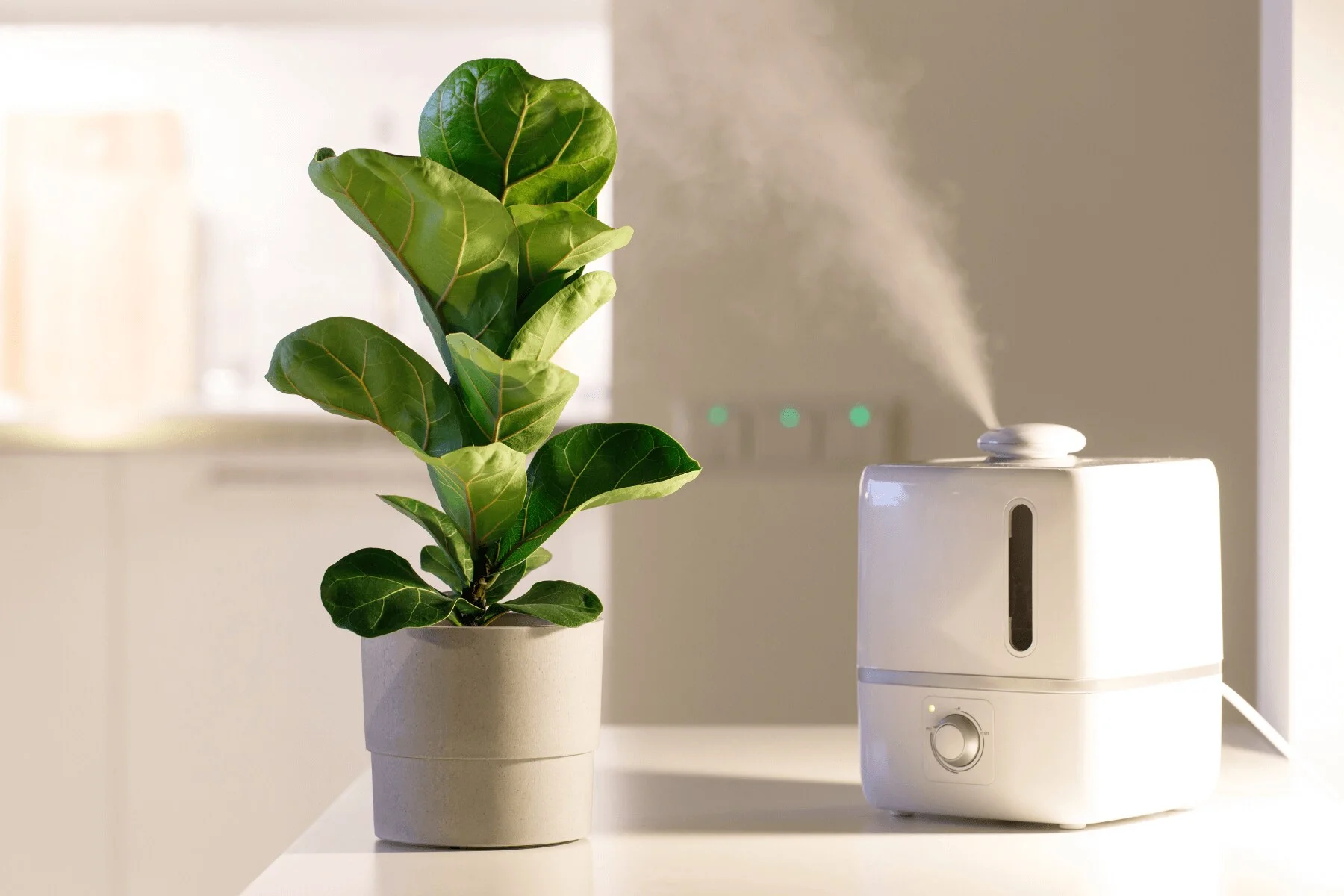
The Big Question: So, Can You Wash a Humidifier Filter?
The answer to this question lies entirely in the type of filter your humidifier uses. Most humidifiers on the market, especially evaporative models, use one of two kinds of filters: disposable wicking filters or reusable (washable) filters. Knowing which one you have is crucial. For complete home air library on this site.
Disposable Wicking Filters: The One-and-Done Protectors
These are the most common type of filter, especially in cool mist evaporative humidifiers. They look and feel like a thick, specially treated paper or fibrous mesh.
- Their Job: These filters, often called “wicks,” absorb water from the reservoir. A fan then blows air through the saturated filter, causing the water to evaporate and add humidity to your room. They are also designed to trap mineral deposits from hard water, preventing that notorious “white dust” from settling on your furniture.
- Can You Wash Them? Absolutely not. Washing a disposable wicking filter is a recipe for disaster. The water pressure and scrubbing will break down the delicate fibers, and any soap or cleaning solution will destroy the filter’s special antimicrobial treatment. You’ll end up with a soggy, misshapen mess that can no longer wick water effectively or filter minerals.
Expert Tip: Think of a disposable filter like a paper coffee filter. You wouldn’t wash and reuse it because it would fall apart and stop doing its job. Your humidifier’s wick filter works on a similar principle.
Reusable Filters: The Washable Heroes
Some humidifiers, often found in higher-end or certain ultrasonic models, come equipped with permanent, reusable filters. These are typically made from a more durable material like a plastic mesh, ceramic, or a specialized foam.
- Their Job: Their function is similar—to filter out impurities and mineral deposits from the water before it’s turned into mist. Their robust construction is what allows them to be cleaned and reused.
- Can You Wash Them? Yes, you can! These filters are designed to be washed regularly to remove mineral buildup (scale) and any potential mold or mildew. Proper cleaning restores their effectiveness and extends their lifespan, saving you money in the long run.
If you’re unsure which type you have, your first port of call should always be the manufacturer’s manual. It will give you specific instructions for your model.
Why Cleaning Your Humidifier (and its Filter) is Non-Negotiable
Let’s be honest, cleaning home appliances isn’t the most exciting weekend activity. But when it comes to your humidifier, skipping this step can do more harm than good. A dirty humidifier can become a breeding ground for bacteria and mold, which it then happily pumps into the air you breathe.
Here’s why regular maintenance is so critical:
- Prevents Mold and Bacteria Growth: A stagnant water reservoir is a perfect home for unwanted microscopic guests. Regular cleaning prevents them from multiplying and becoming airborne.
- Stops Mineral Buildup (Scaling): If you use tap water, minerals like calcium and magnesium can build up inside your machine and on the filter. This scaling can clog the unit, reduce its output, and shorten its lifespan.
- Ensures Optimal Performance: A clean filter and a clean machine work more efficiently. You’ll get the right amount of humidity without the unit having to work overtime, which can even save on electricity.
- Improves Your Health: The whole point of a humidifier is to improve your respiratory health. A dirty one can trigger allergies, asthma, and other respiratory issues—the very things you’re trying to prevent.
As Dr. Eleanor Vance, an indoor air quality specialist, often states, “A humidifier can be your best friend or your worst enemy. The difference is simply maintenance. A clean unit provides clean moisture; a dirty one can aerosolize contaminants directly into your lungs.”
A Step-by-Step Guide to Washing a Reusable Humidifier Filter
So you’ve confirmed you have a washable filter. Fantastic! Cleaning it is simple. Follow these steps to get it back in top shape. We recommend doing this at least once a week, or more often if you use your humidifier daily or have very hard water.
- Safety First: Unplug the Unit. Before you do anything else, always disconnect your humidifier from the power source. Water and electricity are not friends.
- Remove the Filter. Carefully take the filter out of the humidifier. Refer to your user manual if you’re not sure how.
- Give it a Thorough Rinse. Run the filter under cool, clean water. Don’t use hot water, as it can damage some filter materials. Rinse it for a few minutes to dislodge any loose debris and mineral deposits. Never use soap or detergents, as the residue can get into the mist.
- Soak for a Deeper Clean (Descaling). This is the most important step for removing stubborn mineral buildup. Create a solution of one part white vinegar and one part water. Submerge the filter in the solution and let it soak for 20-30 minutes. You’ll see the vinegar start to fizz and dissolve the scale.
- Rinse Again, and Again. After the vinegar soak, rinse the filter meticulously under cool running water. You need to wash away all traces of vinegar to avoid a vinegary smell when you turn the unit back on.
- Let It Air Dry Completely. This is a critical step. Place the filter on a clean towel in a well-ventilated area and let it air dry completely. Putting a damp filter back into the humidifier can promote mold growth. Do not use a hairdryer or put it in direct sunlight, as intense heat can warp or damage it.
Once it’s bone dry, you can place it back in your humidifier, and you’re ready to enjoy clean, healthy humidity again.
Beyond the Filter: A Complete Humidifier Cleaning Checklist
Cleaning the filter is just one part of the equation. For the best air quality, you should give your entire unit a regular cleaning.
Weekly Cleaning:
- Unplug the unit.
- Empty the water tank and base.
- Wash the washable filter (following the steps above).
- Use the same 1:1 vinegar and water solution to wipe down the inside of the tank and the water reservoir. Use a small brush to gently scrub away any film or scale.
- Rinse all parts thoroughly with clean water.
- Allow all components to air dry completely before reassembling.
When Replacing a Disposable Filter:
- Always replace with a filter recommended by the manufacturer.
- Take the opportunity to perform a full weekly clean of the tank and base before inserting the new filter.
- Never try to “extend the life” of a disposable filter. Once it’s hard, crusty with minerals, or discolored, its time is up.
Frequently Asked Questions
1. How often should I change my disposable humidifier filter?
Most manufacturers recommend changing disposable wicking filters every 1 to 3 months, depending on your usage and water hardness. If you notice it’s discolored, crusty, or has a musty smell, it’s time for a new one, even if it hasn’t been that long.
2. Can I use tap water in my humidifier?
You can, but it’s not ideal. Tap water contains minerals that lead to scaling and “white dust.” For the best performance and to reduce cleaning frequency, using distilled or demineralized water is highly recommended. It’s the single best thing you can do for the longevity of your home appliance.
3. What is the white dust coming from my humidifier?
That white dust is mineral residue from hard tap water. It’s most common with ultrasonic and impeller (cool mist) humidifiers. While generally not harmful, it can be a nuisance. Using distilled water or a demineralization cartridge can eliminate the problem.
4. Can a dirty humidifier really make you sick?
Yes. A condition known as “humidifier fever” can cause flu-like symptoms like fever, chills, and headaches. It’s caused by inhaling airborne microorganisms that have been growing in a dirty humidifier tank. This underscores the importance of daily water changes and weekly cleaning.
5. What should I do if my humidifier filter smells musty?
A musty smell is a tell-tale sign of mold or mildew. If you have a disposable filter, throw it out immediately and clean the unit thoroughly before installing a new one. If you have a washable filter, a longer vinegar soak (up to an hour) may help, but if the smell persists, it’s best to replace it.
Your Partner in Pure Air
Maintaining your humidifier doesn’t have to be a chore. By understanding its parts and dedicating just a few minutes each week to its care, you ensure it remains a powerful tool for your health. The key takeaway is simple: know your filter type. If you’re ever in doubt about whether you can you wash a humidifier filter, check your manual. A clean filter and a clean tank are your ticket to breathing cleaner, healthier air all year long. At Humidifier Go, we believe everyone deserves that.
How to Wash a Reusable Humidifier Filter
Follow these steps to effectively clean your reusable humidifier filter and maintain optimal air quality. This process should be done at least once a week.
Always disconnect your humidifier from the power source before starting any cleaning. Carefully remove the filter from the humidifier, consulting your user manual if needed for specific instructions.
Run the filter under cool, clean water for several minutes to dislodge loose debris and mineral deposits. Avoid hot water, which can damage filter materials, and never use soap or detergents as residue can enter the mist.
For a deeper clean and to remove stubborn mineral buildup, submerge the filter in a solution of one part white vinegar and one part water. Let it soak for 20-30 minutes; you will observe the vinegar dissolving the scale.
After the vinegar soak, rinse the filter meticulously under cool running water. Ensure all traces of vinegar are washed away to prevent a vinegary smell when the humidifier is turned back on.
Place the filter on a clean towel in a well-ventilated area and allow it to air dry completely. Do not use a hairdryer or direct sunlight, as intense heat can warp or damage the filter, and a damp filter can promote mold growth.
Pet products vetted on real animals
Practical specs, not advice. Unsubscribe anytime.
I’m a big advocate for reusable filters. I have a model with a specialized foam filter, and it’s incredibly easy to clean. Just a quick rinse and it’s good to go. It really helps maintain the antimicrobial treatment and keeps the air in my living room feeling clean and comfortable, especially during allergy season.
My old humidifier always had a weird smell, and I think it was because I wasn’t properly maintaining the filter. I recently got a new one with a ceramic filter, and the cleaning instructions were super clear about washing it. It’s been a game-changer for keeping the air fresh and my humidifier running efficiently. Definitely check your manual!
I have a cool mist evaporative humidifier, and I tried to wash its wicking filter once, thinking I could save a few bucks. Big mistake! It totally fell apart and made the humidifier useless. I wish I’d known sooner that those thick paper-like filters are strictly one-and-done. Now I just buy replacements when needed.
I used to just toss my humidifier filters every month, but after reading about the reusable types, I decided to switch. My new humidifier has a durable plastic mesh filter, and it’s so much easier to just rinse it out. It feels more eco-friendly and definitely saves me money in the long run. The air quality in my bedroom has been consistently great.