Hello and welcome to Humidifier Go, your trusted companion in the quest for perfect indoor air. I’m your Senior Consultant, and for years, I’ve been fascinated by how these simple home appliances can drastically improve our well-being. I remember the first winter I truly understood the power of humidity—waking up without a scratchy throat was a revelation! But one night, I was startled by an odd sound from my trusty machine. If you’re here because you’re thinking, “My Humidifier Is Making A Gurgling Noise,” take a deep breath. You’ve come to the right place. We’re going to demystify that sound and ensure your device is working to create the healthy, comfortable space you deserve.
That gurgle, bubble, or glugging sound can be a bit unsettling, especially in the quiet of the night. It makes you wonder: Is it broken? Is it about to leak? The good news is that, in most cases, this noise is not only normal but is actually a sign that your humidifier is doing its job. Let’s dive into the mechanics and figure out what’s happening inside that misty machine.
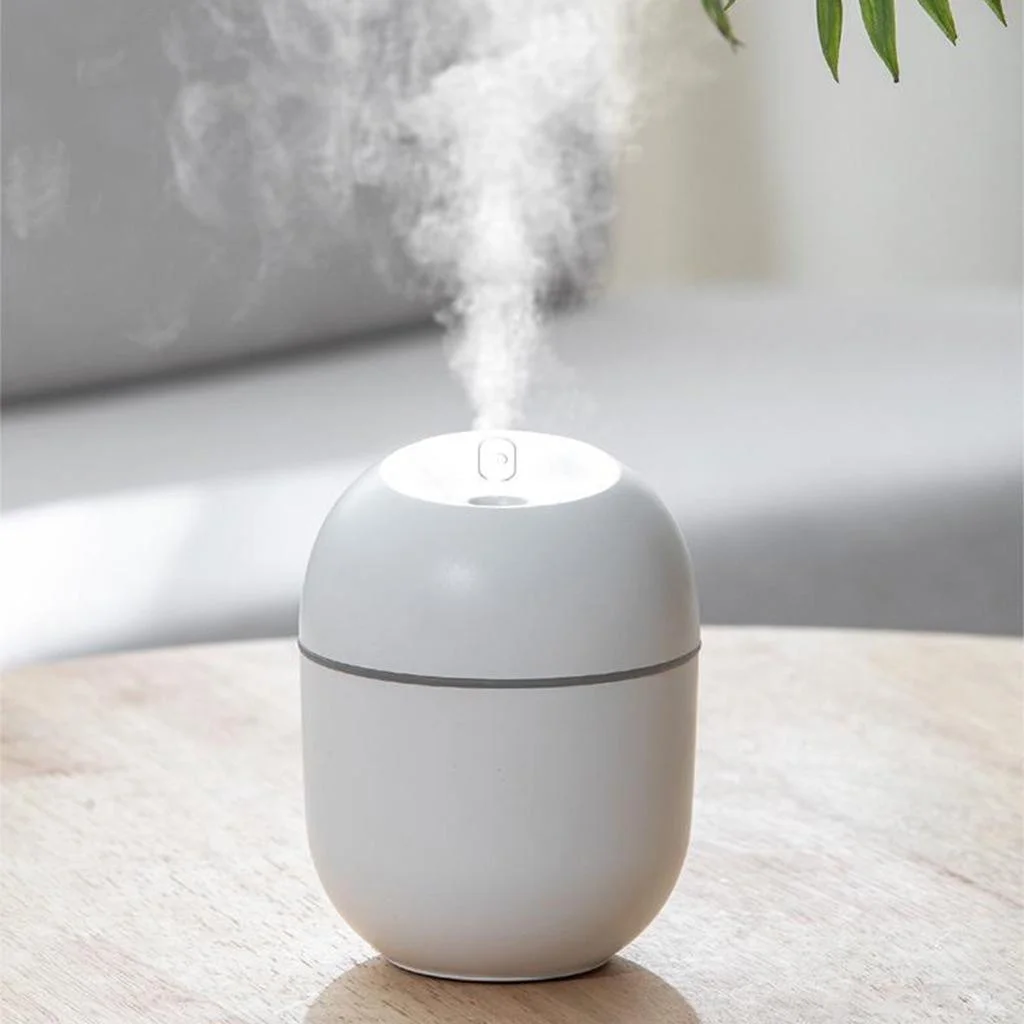
Why That Gurgling Sound Is Usually a Good Thing
So, what’s the story behind the gurgle? It’s all about simple physics.
Imagine an old-school water cooler. When you press the lever, water flows out, and you see bubbles rise to the top of the jug. Your humidifier works on a similar principle. It has two main parts involved here: the water tank (the “jug”) and the base reservoir (the “cup” where the magic happens).
As your humidifier turns water into soothing mist, the water level in the base reservoir drops. To replenish it, a valve opens, allowing more water to flow down from the main tank. As the water moves down, it displaces air in the base, which has to go somewhere. Where does it go? Up into the tank, creating those characteristic gurgling bubbles.
In short: A gurgle is the sound of your humidifier refilling its operational reservoir. It’s the heartbeat of the machine, indicating that water is moving correctly from the tank to the base to be turned into mist.
For most cool mist, ultrasonic, and even some evaporative models, this is a perfectly standard operational sound. It’s the machine’s way of saying, “Don’t worry, I’ve got this.”
When to Pay Attention: Is My Humidifier Making a Gurgling Noise a Bad Sign?
While a gentle, intermittent gurgle is normal, a change in the sound’s frequency, volume, or character can sometimes point to a minor issue that needs your attention. Let’s break down the potential culprits.
The Sound Is Louder or More Frequent Than Usual
If the gurgling suddenly seems more aggressive or constant, the first thing to check is the placement of your humidifier.
- Uneven Surface: If the unit isn’t on a perfectly flat, level surface, the water flow mechanism can be thrown off balance. This can cause the valve to open and close erratically or let in large pockets of air, resulting in a louder sound.
- The Fix: Simple! Move your humidifier to a hard, level surface like a nightstand or a sturdy dresser. Avoid placing it on thick carpets or unstable tables.
You Hear Gurgling, but No Mist Is Coming Out
This is a classic symptom of a blockage, and the number one suspect is mineral buildup, often called scale or limescale. This is especially common if you use tap water.
- The Problem: Hard water is rich in minerals like calcium and magnesium. As the water evaporates, these minerals get left behind, forming a crusty white or grey deposit. This scale can clog the small channels and openings that water needs to flow through, including the nozzle where the mist exits. Your machine is trying to work—hence the gurgling as it attempts to pull water—but the pathway is blocked.
- The Fix: It’s time for a deep clean! We’ll cover the step-by-step process below, but it generally involves descaling the unit with a vinegar solution.
Gurgling Is Paired with Other Noises
If the gurgling is accompanied by a loud humming, grinding, or clicking, it could indicate a more significant mechanical issue.
- Humming/Buzzing: This often points to the fan or the ultrasonic nebulizer. Debris like hair or dust might be caught in the fan blades.
- Grinding: This is a more serious sound that could indicate a problem with the motor.
- The Fix: First, unplug the unit and perform a thorough cleaning, paying special attention to the fan area (if accessible). If the sound persists after cleaning, it may be time to consult the manufacturer’s warranty or contact a professional.
The Ultimate Humidifier Maintenance Guide for a Quiet, Efficient Machine
Proper care is the secret to a long-lasting, quiet, and effective humidifier. Think of it like changing the oil in your car—a little preventative maintenance goes a long way. The U.S. Environmental Protection Agency (EPA) recommends cleaning and disinfecting your unit every few days to prevent the growth of harmful bacteria and mold.
Here’s a simple checklist to keep your home appliance in peak condition:
- Safety First: Always unplug your humidifier from the wall before you begin cleaning. Water and electricity are not friends.
- Empty and Rinse: Disassemble the unit. Empty any remaining water from the tank and the base. Rinse both thoroughly with cool water.
- Descale with Vinegar: To tackle mineral buildup, create a solution of one part white vinegar to one part water.
- Pour this solution into the base and let it sit for at least 30-60 minutes. This will dissolve the stubborn scale.
- For the tank, you can pour some of the solution inside, swish it around vigorously, and let it sit as well.
- Use a small, soft brush (an old toothbrush works wonders) to gently scrub any remaining deposits.
- Rinse Again: Thoroughly rinse all parts with clean water until the vinegar smell is gone. You don’t want your room smelling like a salad dressing!
- Disinfect (Optional but Recommended): To kill any lingering germs, you can use a solution of one teaspoon of 3% hydrogen peroxide per gallon of water. Let it sit in the tank and base for about 30 minutes, then rinse extensively until all traces are gone.
- Dry Completely: This is a crucial step. Use a clean, dry cloth to wipe down all components. Let them air dry completely before you reassemble the unit. A damp environment is a breeding ground for mold.
As Dr. Eleanor Vance, a leading allergist, often emphasizes, “A clean humidifier is an essential tool for respiratory health. A dirty one can do more harm than good by dispersing mold spores and bacteria into the air you breathe. Regular cleaning isn’t just about machine maintenance; it’s about health maintenance.”
What Type of Water Should I Use in My Humidifier?
To drastically reduce gurgling caused by blockages and minimize cleaning time, the type of water you use matters.
- Tap Water: Easiest to access, but often high in minerals, leading to “white dust” and scale buildup.
- Filtered Water: Better than tap water, as some minerals are removed.
- Distilled or Demineralized Water: This is the gold standard. It has virtually all minerals removed, which means no scale, no white dust, and a much cleaner, quieter, and more efficient humidifier.
Frequently Asked Questions (FAQ)
Here are some common questions we get at Humidifier Go.
Why is my humidifier making a loud bubbling noise?
A loud bubbling or gurgling noise often means the unit is on an uneven surface, causing water and air to move erratically. Ensure it’s placed on a flat, hard surface. It could also indicate a significant mineral buildup that is partially blocking the water flow, so a thorough descaling is recommended.
How do I stop my humidifier from gurgling?
While you can’t completely stop the normal gurgling sound (as it’s part of its function), you can ensure it stays quiet by keeping the unit clean and free of mineral deposits. Using distilled water will also help prevent the clogs that can lead to louder, more frequent noises.
Is the gurgling noise from my humidifier dangerous?
No, the gurgling sound itself is not dangerous. It’s a normal mechanical sound. However, if it’s accompanied by a lack of mist, it could signal a mineral buildup, and a dirty humidifier can be a health hazard. Therefore, treat the sound as a reminder to check if your unit is due for a cleaning.
Can I run my humidifier all night?
Absolutely! In fact, running it at night is one of its primary benefits, as it can help prevent dry nasal passages, reduce snoring, and promote better sleep. Most modern ultrasonic and cool mist humidifiers are designed for continuous, quiet operation. Just ensure the tank is full and the unit is clean.
What is the ideal humidity level for a home?
The ideal indoor humidity level for comfort and health is between 40% and 60%. Below 40%, the air is too dry, which can irritate your skin and respiratory system. Above 60%, you risk creating an environment where mold and dust mites can thrive. Many humidifiers come with a built-in hygrometer to help you monitor and maintain this perfect balance.
Your Partner for Better Air Quality
So, the next time you hear that gentle bubble and glug, you can smile. It’s the sound of your humidifier working hard to combat dry air, ease your breathing, and protect your health. Understanding that the answer to “my humidifier is making a gurgling noise” is usually “it’s working” can bring great peace of mind.
By following a simple maintenance routine and using the right water, you ensure that your home appliance remains a quiet, effective, and reliable partner in creating your personal oasis. At Humidifier Go, we believe that breathing well is living well, and we’re here to help you on that journey, one misty, gurgling-free night at a time.