Hello, and welcome to Humidifier Go! I’m your senior consultant, and if there’s one thing I’m passionate about, it’s the air we breathe inside our homes. I remember the first winter I spent in my new apartment; the air was so bone-dry that I woke up every morning with a scratchy throat and irritated sinuses. That’s when I discovered the world of humidifiers, and it was a game-changer. Today, we’re diving deep into the Pros And Cons Of Ultrasonic Humidifiers, one of the most popular types on the market. By the end of this, you’ll know if this sleek piece of tech is the right sidekick for your home’s air quality.
That feeling of dry, stale air isn’t just uncomfortable—it can affect everything from your sleep quality to the health of your skin, your plants, and even your wooden furniture. A good humidifier is the answer, working diligently to restore moisture to your environment. But with so many options out there, choosing the right one can feel overwhelming. Let’s break it down together.
First, Why Do You Even Need a Humidifier?
Before we get into the nitty-gritty of ultrasonic models, let’s quickly touch on why you might want one in the first place. Maintaining an ideal indoor humidity level (experts agree this is between 40% and 60%) is a cornerstone of a healthy home.
Here’s a quick rundown of the benefits:
- Respiratory Relief: Properly humidified air can soothe irritated nasal passages, ease congestion from colds and allergies, and reduce the severity of asthma symptoms.
- Healthier Skin and Hair: Say goodbye to chapped lips, dry skin, and brittle hair. Moisture in the air helps keep your body hydrated from the outside in.
- Better Sleep: It can reduce snoring caused by a dry throat and nose, leading to a more restful night for you and your partner.
- Protects Your Home: Dry air can wreak havoc on wood floors, furniture, and musical instruments, causing them to crack and warp. A humidifier helps preserve them.
- Reduces Static Electricity: Tired of those little zaps every time you touch a doorknob in the winter? A humidifier can significantly cut down on static.
A Quick Tour of Humidifier Technologies
To understand where ultrasonic models fit in, you need to know their main competitors. It’s like choosing a car—you have sedans, SUVs, and sports cars, each with its own strengths.
- Evaporative Humidifiers: These are the old workhorses. They use a fan to blow air through a wet wick filter, causing the water to evaporate into the air. Simple, effective, but they can be a bit noisy due to the fan.
- Steam Vaporizers (Warm Mist): These models boil water to create steam, which is then released into the room. They are great for killing germs and bacteria in the water, but the hot steam can be a safety concern around children and pets.
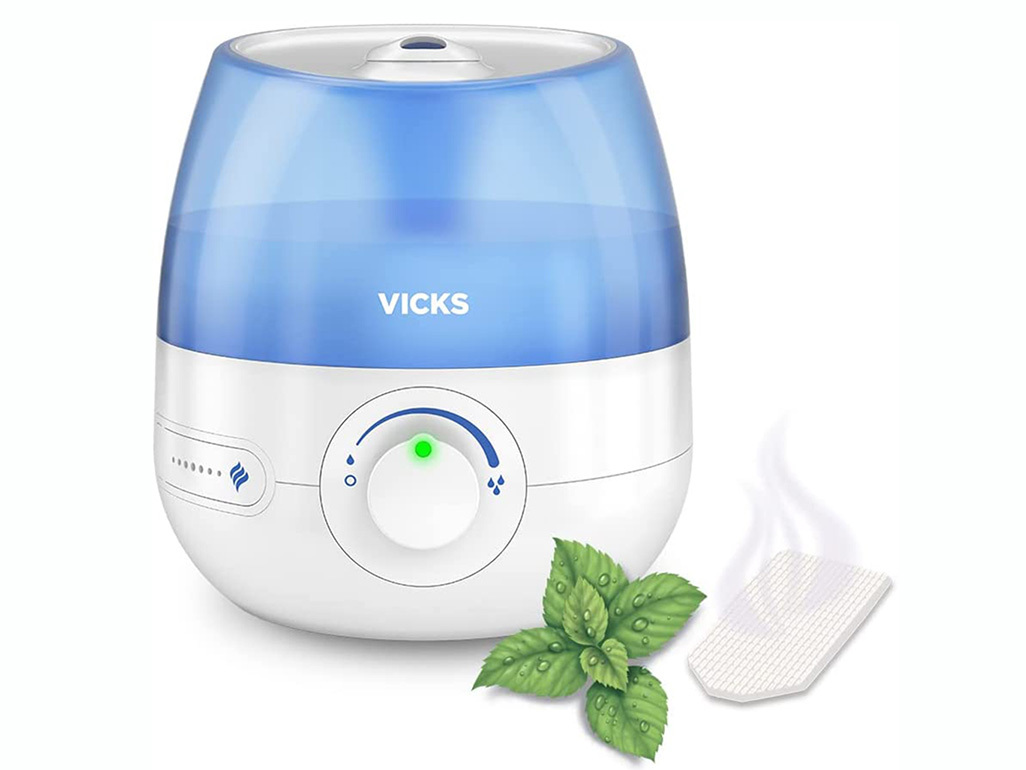
- Ultrasonic Humidifiers: The star of our show. These use a high-frequency vibrating diaphragm (a piezoelectric transducer, for the tech lovers) to break water into an ultra-fine mist. It’s a cool, quiet, and modern approach.
The Pros and Cons of Ultrasonic Humidifiers
Alright, let’s get to the main event. You’ve seen them in stores—they’re often sleek, modern, and whisper-quiet. But what’s really going on under the hood?
The Pros: What Makes Ultrasonic Humidifiers So Popular?
There’s a reason these devices have become a household staple. They offer a unique combination of features that appeal to a wide range of users.
Whisper-Quiet Operation
This is arguably the biggest selling point. Because they don’t use a fan to create mist (unlike evaporative models), ultrasonic humidifiers are incredibly quiet. You might hear a faint, gentle hum or the occasional gurgle of water, but that’s it. This makes them the perfect choice for bedrooms, nurseries, or your home office where you need peace and quiet to concentrate or sleep.
Energy Efficiency
Ultrasonic humidifiers use very little electricity. The vibrating diaphragm requires minimal power compared to the fan in an evaporative model or the heating element in a steam vaporizer. Over the long run, this can translate to noticeable savings on your energy bill, making it a budget-friendly option to run continuously.
No Filters to Replace (Usually)
Most basic ultrasonic models are filterless, which means you don’t have to worry about the recurring cost and hassle of buying and replacing wick filters. However, some higher-end models do include demineralization cartridges to combat the “white dust” issue, which we’ll discuss in the cons.
Compact and Stylish Designs
Technology often dictates design, and the compact nature of the ultrasonic mechanism allows for a huge variety of sleek, modern, and even decorative designs. You can find models that blend seamlessly into your home decor, looking more like a piece of art than a functional home appliance.
Cool Mist for Safety
Since the water isn’t boiled, the mist produced is cool to the touch. This is a crucial safety feature for households with curious children or pets, eliminating the risk of burns associated with warm mist humidifiers or steam vaporizers.
The Cons: The Not-So-Good Side of Ultrasonic Humidifiers
No technology is perfect, and it’s important to go in with your eyes wide open. These drawbacks are manageable, but you need to be aware of them.
The “White Dust” Phenomenon
This is the most common complaint. If you use hard tap water, which is rich in minerals like calcium and magnesium, the ultrasonic vibrations will disperse these minerals into the air along with the water. When the water evaporates, the minerals settle on surfaces as a fine, white dust. While generally harmless, it can be a nuisance to clean and may affect sensitive electronic devices.
Expert Tip: To prevent white dust, the solution is simple: use distilled or demineralized water. It’s an extra step and a small cost, but it completely eliminates the problem and keeps your air pure.
Higher Maintenance Demands
This is the big one. Because ultrasonic humidifiers don’t boil water, any bacteria, mold, or microbes present in the water tank can be aerosolized and dispersed into the room along with the mist. This makes regular, thorough cleaning an absolute must. If you’re not committed to a cleaning schedule, an ultrasonic humidifier might not be the best choice for you.
Risk of Dispersing Bacteria
This is a direct consequence of the point above. An uncleaned humidifier can become a breeding ground for microorganisms. The U.S. Environmental Protection Agency (EPA) strongly advises cleaning humidifiers frequently to prevent the release of harmful contaminants into your air.
As Dr. Eleanor Vance, a leading allergist, often states, “A humidifier can be your best friend or your worst enemy. The difference is cleanliness. A clean device provides immense relief for allergy sufferers, but a dirty one can introduce new irritants into your environment.”
How Do You Choose the Right Ultrasonic Humidifier?
If you’ve weighed the pros and cons of ultrasonic humidifiers and decided it’s the right fit, here’s a quick guide to picking the perfect model.
Answer these questions first:
- What is your room size? Humidifiers are rated for specific square footage. A small desktop model won’t work in a large living room, and a giant console unit is overkill for a small bedroom.
- What tank capacity do you need? This determines how long the humidifier can run before needing a refill. A larger tank is great for overnight use.
- What features are important? Look for models with a built-in humidistat (to automatically maintain your desired humidity level), an auto-shutoff feature (for safety when the tank is empty), and an adjustable mist output.
How to Properly Clean and Maintain Your Ultrasonic Humidifier
To reap the benefits and avoid the pitfalls, a consistent cleaning routine is non-negotiable. It’s easier than it sounds!
Here’s a simple weekly cleaning checklist:
- Unplug and Disassemble: Always unplug the unit first. Empty any remaining water from the tank and base.
- Clean with Vinegar: Fill the tank with a solution of one part white vinegar to one part water. Let it sit for at least 30 minutes to an hour to dissolve any mineral buildup (scaling). Use a soft brush to gently scrub the inside of the tank and the base. Pay special attention to the ultrasonic diaphragm.
- Rinse Thoroughly: Pour out the vinegar solution and rinse all parts with clean water until the vinegar smell is gone. You don’t want to be misting vinegar into your air!
- Disinfect (Optional but Recommended): For a deeper clean, you can use a diluted bleach solution or a 3% hydrogen peroxide solution according to the manufacturer’s instructions. Rinse meticulously afterward.
- Dry and Reassemble: Allow all parts to air dry completely before reassembling and refilling.
Frequently Asked Questions (FAQ)
Q1: What is the white dust from my ultrasonic humidifier and is it harmful?
A: The white dust is mineral residue from hard tap water. For most people, it’s not harmful to inhale but can be an aesthetic nuisance and may affect sensitive electronics. Using distilled or demineralized water is the best way to prevent it.
Q2: Is it safe to use tap water in an ultrasonic humidifier?
A: It is generally safe, but it will likely produce white dust if you have hard water. More importantly, tap water contains microorganisms that can multiply in the tank if not cleaned regularly. Distilled water is the safest and cleanest option.
Q3: How often should I clean my ultrasonic humidifier?
A: You should rinse the tank daily and do a thorough cleaning with vinegar at least once a week. This prevents the buildup of mold, bacteria, and mineral scale, ensuring you’re breathing clean, healthy mist.
Q4: Are ultrasonic humidifiers better than evaporative ones?
A: It depends on your priorities. Ultrasonic models are quieter and more energy-efficient, but require more diligent cleaning and the use of distilled water to avoid white dust. Evaporative models are less maintenance-intensive regarding water type but can be noisier and require filter replacements.
Q5: Can an ultrasonic humidifier make me sick?
A: Yes, if it is not cleaned properly. A dirty humidifier can disperse bacteria and mold spores into the air, which can cause respiratory issues or flu-like symptoms, a condition sometimes called “humidifier fever.” Regular cleaning eliminates this risk.
The Final Mist
So there you have it—a complete look at the pros and cons of ultrasonic humidifiers. They are fantastic devices: quiet, efficient, and stylish. They excel at creating a comfortable and healthy living space, especially in bedrooms and nurseries. However, their effectiveness is directly tied to your commitment to keeping them clean and using the right kind of water.
If you’re someone who appreciates a quiet environment and doesn’t mind a simple weekly maintenance routine, an ultrasonic humidifier could be the perfect addition to your home. The benefits for your health, sleep, and comfort are well worth the small effort. We at Humidifier Go believe that empowering you with knowledge is the first step toward better breathing and better living.