The mist level on a humidifier controls the rate of moisture output, adjusting how much water vapor is released into a room per hour. This setting allows users to precisely manage indoor humidity, aiming for an ideal range of 40% to 60% relative humidity to prevent issues like dry air symptoms or excessive dampness that can lead to mold growth. Understanding and utilizing mist level settings optimizes humidifier performance, conserves water and energy, and helps maintain a healthy home environment.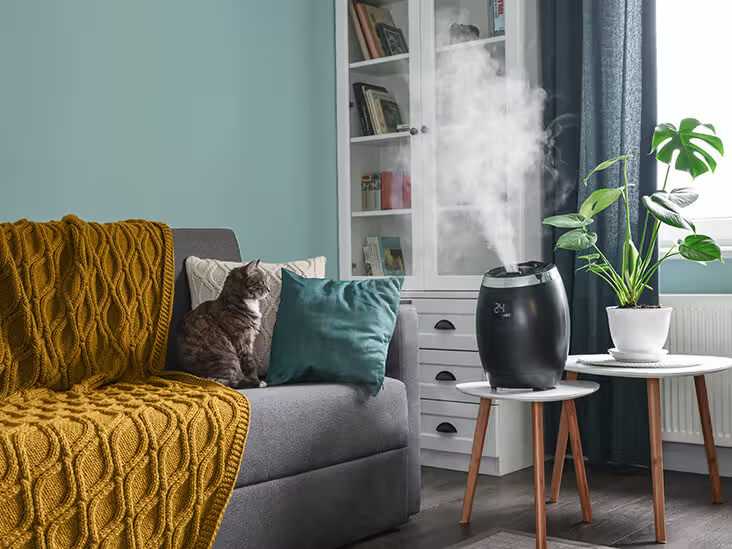
Cracking the Code: The Simple Answer to Mist Level Settings
At its core, the mist level on your humidifier controls the rate of moisture output. Think of it like the volume knob on a stereo, but instead of sound, you’re adjusting the amount of invisible water vapor (or visible mist) being released into your room per hour.
- Low Setting: Releases a gentle, steady stream of moisture. It’s slower to raise the room’s humidity but uses less water and electricity.
- Medium Setting: A balanced approach, providing a noticeable increase in humidity without being overpowering. This is often the sweet spot for day-to-day use.
- High Setting: Puts out the maximum amount of moisture the unit can produce. It will humidify a room faster but will consume water more quickly and require more frequent refills.
So, what does the mist level on a humidifier mean for you? It means you have precise control over how quickly and intensely you want to combat dry air in your home. For expert home air reviews on this site.
Why Your Mist Level Setting Actually Matters
You might be thinking, “Okay, so it’s a speed setting. Why not just crank it to high and be done with it?” Well, just like seasoning a dish, too much of a good thing can backfire. Achieving the perfect indoor air quality is all about balance.
Finding Your Goldilocks Zone: Not Too Dry, Not Too Damp
The goal isn’t to turn your living room into a tropical rainforest. According to health experts, the ideal indoor humidity level is between 40% and 60%.
- Below 40%: You get the familiar effects of dry air—irritated sinuses, dry skin, increased static electricity, and a higher susceptibility to airborne viruses.
- Above 60%: You create an environment where mold, mildew, and dust mites can thrive. You might notice condensation on your windows, a musty smell, or a damp feeling in the air.
The mist level is your tool to hit that 40-60% sweet spot. A higher setting helps you get into the zone quickly, while a lower setting helps you stay there without overshooting the mark.
Room Size and Mist Output: A Perfect Match
Bảng trống.The right mist level is directly related to the size of your space.
- Small Rooms (Bedrooms, Offices): A low or medium setting is usually more than enough. Running a humidifier on high in a small, enclosed room is a fast track to condensation and excessive dampness.
- Large Rooms (Living Rooms, Open-Plan Areas): You’ll likely need to use a medium or high setting, especially initially, to effectively raise the humidity level across a larger volume of air.
Seasonal Needs and Personal Comfort
Your ideal setting can also change with the seasons. I personally run my humidifier on a higher setting during the bone-dry peak of winter when the furnace is blasting. But in the shoulder seasons, or in a room with air conditioning in the summer, a low setting is all that’s needed to maintain comfortable home appliance performance. If you’re fighting off a cold or a cough, a temporary boost to a higher mist level can provide extra soothing relief for your airways.
A Quick Look at How Different Humidifiers Handle Mist
While the principle is the same, the technology behind the mist can differ. Understanding your device type helps you appreciate what’s happening when you adjust that dial.
Ultrasonic Humidifiers
These are incredibly popular for their near-silent operation. They use a high-frequency vibrating diaphragm to break water into a fine, cool mist. Adjusting the mist level on an ultrasonic model changes the vibration speed—faster vibrations create more mist.
Evaporative Humidifiers
These devices use a fan to blow air through a wet wick or filter, causing the water to evaporate naturally into the air. Here, the mist level setting typically controls the fan speed. A higher fan speed means more air passes through the filter, resulting in a higher humidity output. This mist is invisible.
Warm Mist Humidifiers (Vaporizers)
These units boil water to create a warm, soothing steam. The mist level often controls the intensity of the heating element, determining how quickly steam is produced. They are great for sickness but can use more energy.
How to Choose the Right Mist Level for Any Situation
Feeling empowered? Good. Now let’s put that knowledge into practice. Here’s a simple, foolproof method for finding the perfect setting.
- Start Low and Go Slow: When you first set up your humidifier, especially in a new room, begin with the lowest setting. Let it run for a few hours. This is the best way to avoid accidentally over-humidifying the space.
- Use a Hygrometer: This is the single most important tip I can give you. A hygrometer is an inexpensive, small device that measures the relative humidity in your air. It takes all the guesswork out of the equation. Place it in the room (but not right next to the humidifier) and adjust your mist level until the hygrometer consistently reads between 40% and 60%.
- Check for Condensation: Your windows are a great early warning system. If you see fog or water droplets forming on the inside of the glass, your humidity is too high. It’s time to turn down the mist level or turn the unit off for a while.
- Listen to Your Body: Are your sinuses still feeling dry? Is your skin still itchy? If your hygrometer says you’re in the zone but you still feel discomfort, it’s okay to nudge the level up slightly. Personal comfort is a key part of the equation.
Dr. Eleanor Vance, a leading allergist, often tells her patients, “Think of your humidifier’s mist level as a prescription. The right dose can alleviate symptoms, but an incorrect dose can create new problems. A hygrometer is your guide to getting it just right.”
Common Mistakes to Avoid with Your Mist Level
Navigating what the mist level on a humidifier means also involves knowing what not to do. Avoid these common pitfalls:
- Blasting it on High 24/7: This is the most common mistake. It wastes water and energy and dramatically increases the risk of mold and mildew.
- Ignoring Room Size: Using a high setting in a tiny, closed-off bathroom is a recipe for damp walls.
- Poor Placement: Never place your humidifier directly on a wood surface or near electronics, especially when using a high mist setting. The moisture can cause damage over time. Elevate it on a waterproof tray at least a few feet away from walls and furniture.
Humidifier Maintenance: Keeping Your Mist Clean and Healthy
A clean machine produces clean air. Regardless of the mist level you choose, regular maintenance is non-negotiable for ensuring your air quality is healthy, not harmful. The U.S. Environmental Protection Agency (EPA) strongly recommends it.Your Weekly Cleaning Checklist:
- Unplug the unit. Safety first!
- Empty the tank and base. Discard any leftover water.
- Clean with a Vinegar Solution. Create a solution of one part white vinegar to one part water. Use it to wipe down the tank and soak the base for about 20 minutes to dissolve any mineral scale (that white dust).
- Rinse Thoroughly. Rinse all parts with clean water until the vinegar smell is gone. You don’t want to aerosolize vinegar into your air.
- Air Dry. Let all components dry completely before reassembling.
Using distilled or demineralized water instead of tap water can dramatically reduce mineral buildup and the “white dust” that ultrasonic models sometimes produce.
Frequently Asked Questions (FAQ)
1. Does a higher mist level use more electricity?Yes, but typically the difference is minimal, especially for ultrasonic models. The biggest increase in consumption comes from running the unit for longer periods or using a warm mist vaporizer, which requires a heating element.2. Can I leave my humidifier on high all night?It’s generally not recommended unless the room is very large and exceptionally dry. A high setting in a closed bedroom overnight can easily push humidity levels above 60%, creating a damp environment. It’s better to use a medium or low setting, or choose a model with a built-in humidistat that automatically shuts off when the target humidity is reached.3. What’s the best mist level for a baby’s room?For a nursery, consistency is key. Start with a low setting on a cool mist humidifier and use a hygrometer to maintain a steady humidity level between 40% and 50%. This can help soothe tiny, sensitive airways without making the room damp.4. Why is my humidifier leaving white dust on everything?This is common with ultrasonic humidifiers using hard tap water. The “dust” is mineral residue from the water. To fix this, switch to distilled water or use a demineralization cartridge. It is not directly related to the mist level, but a higher mist level will deposit more of it, faster.5. How do I know if the mist level is too high without a hygrometer?Look for physical signs. The most obvious is condensation on windows, mirrors, or other cool surfaces. You might also notice a persistent musty smell or a feeling of dampness on fabrics like bedding or curtains. These are clear indicators to lower the setting.
Your Partner in Perfect Air
So, the next time you look at that dial, you’ll see it not as a mystery, but as a powerful tool. It’s your direct control for crafting a healthier, more comfortable indoor world. By understanding your room, your needs, and the ideal humidity range, you can make an informed choice every time.At Humidifier Go, we believe that breathing well is living well. Mastering your device’s settings is the first step toward that reality. Understanding what the mist level on a humidifier means transforms you from a user into a true curator of your home environment. Now go ahead, adjust that dial with confidence, and take a deep breath of fresh, perfectly balanced air.
Frequently Asked Questions
Does a higher mist level on a humidifier use more electricity?
Yes, a higher mist level can increase electricity usage, though the difference is often minimal for ultrasonic models. The most significant energy consumption comes from extended operation or using warm mist vaporizers, which require a heating element to boil water.
Is it safe to leave my humidifier on a high setting all night?
Leaving a humidifier on high all night is generally not recommended unless the room is exceptionally large and dry. A high setting in a closed bedroom can quickly raise humidity above 60%, fostering mold and mildew; a medium or low setting, or a model with a humidistat, is preferable.
What is the best mist level for a baby's nursery?
For a baby's room, maintain consistent humidity between 40% and 50% using a cool mist humidifier on a low setting, monitored with a hygrometer. This range helps soothe sensitive airways without creating excessive dampness.
Why does my humidifier leave white dust on furniture and surfaces?
White dust is a common issue with ultrasonic humidifiers using hard tap water, as it's mineral residue from the water. To prevent this, switch to distilled or demineralized water, or use a demineralization cartridge. While not directly caused by mist level, a higher setting will deposit more minerals faster.
How can I tell if my humidifier's mist level is too high without a hygrometer?
Without a hygrometer, look for visual cues like condensation on windows, mirrors, or other cool surfaces. A persistent musty smell or a damp feeling on fabrics like bedding or curtains also indicates that the humidity level is too high and the mist setting should be lowered.
How to Choose the Right Humidifier Mist Level
Follow these steps to effectively set your humidifier's mist level for optimal indoor air quality and comfort, avoiding common pitfalls like over-humidification.
When first using your humidifier, especially in a new room, begin with the lowest mist setting. Allow it to run for several hours to gradually increase humidity and prevent accidental over-humidification of the space.
Invest in an inexpensive hygrometer to measure your room's relative humidity. Place it away from the humidifier and adjust the mist level until the device consistently reads between 40% and 60%, which is the ideal range.
Monitor your windows and other cool surfaces for condensation, fog, or water droplets. These are clear indicators that the humidity level is too high, and you should reduce the mist setting or temporarily turn off the humidifier.
Even if your hygrometer shows ideal humidity, pay attention to your personal comfort. If you still experience dry sinuses or itchy skin, it's acceptable to slightly increase the mist level to find your optimal comfort zone.
Pet products vetted on real animals
Practical specs, not advice. Unsubscribe anytime.
This really helped me understand why my old humidifier was always running out of water so fast. Adjusting the mist level to a lower setting for overnight use has been a game-changer for conserving water and energy. My throat feels less scratchy in the mornings now, too.
I used to just blast my humidifier on high, but after reading about the ideal 40-60% humidity range, I’ve been much more mindful of the mist level. My dry skin and morning cough have improved so much, and I’m not constantly refilling the tank. It’s made a huge difference in our bedroom air quality.
I’ve been trying to get my humidity just right, but sometimes even on the medium setting, it feels like it takes forever to reach the 40% mark in my larger living room. I wish my humidifier had a slightly more powerful ‘medium’ option. It does help with my dry sinuses though, so it’s not all bad.
I appreciate the breakdown of how mist levels affect the room. I always worried about mold growth if I overdid it, so understanding the low setting for maintaining humidity is really helpful. My plants are also looking much happier now that I’m not just guessing with the settings.