Ever woken up with a scratchy throat, dry, stuffy nose, or chapped lips? You’re not alone. I spent years battling what I thought were perpetual winter colds, only to realize the real culprit was the bone-dry air in my bedroom. This common problem is precisely why finding out What Is The Best Type Of Humidifier For Sleep can be a total game-changer, transforming your nightly rest from a struggle into a truly restorative experience. It’s not just about comfort; it’s about creating a healthier environment for your body to recharge.
Think of it this way: your body is over 60% water. When you sleep in dry air, your respiratory system works overtime, losing moisture with every breath. A good humidifier acts as your personal nighttime hydration station, gently reintroducing that essential moisture back into your air. Let’s dive into how you can pick the perfect sleep companion.
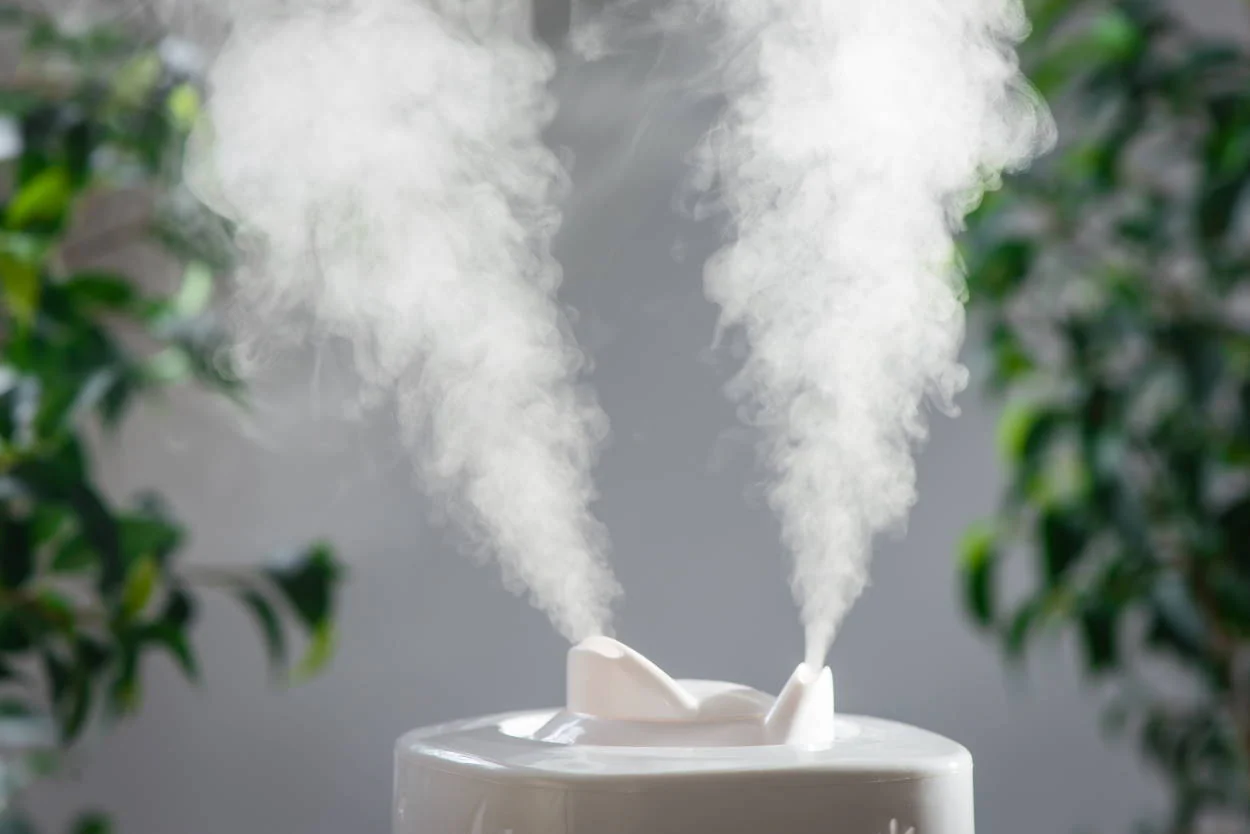
Why a Humidifier is Your Bedside Best Friend
Before we get into the nitty-gritty of different models, let’s talk about why this little home appliance is so crucial for your sleep quality. It’s more than just a box that makes mist; it’s a wellness tool.
- Soothes Your Airways: Ideal humidity (between 40-60%) keeps your nasal passages and throat moist. This can significantly reduce snoring, ease congestion from colds or allergies, and prevent painful morning sore throats.
- Hydrates Your Skin and Lips: Say goodbye to waking up with tight, flaky skin or cracked lips. Moist air helps your skin retain its natural moisture barrier overnight.
- Reduces Airborne Viruses: Some studies suggest that viruses, like the flu, don’t travel as easily in properly humidified air.
- Protects Your Home: Dry air can wreak havoc on wood floors, furniture, and even musical instruments, causing them to crack or warp over time.
The Main Contenders: A Breakdown of Humidifier Types
When you start shopping, you’ll see a few key terms pop up: ultrasonic, evaporative, and warm mist. Understanding the difference is the first step to finding your perfect match.
Ultrasonic Humidifiers: The Silent Guardians
These are arguably the most popular kids on the block, especially for bedrooms.
- How they work: Ultrasonic humidifiers use a high-frequency vibrating diaphragm (a tiny metal plate) to break water into microscopic droplets, which are then released into the air as a fine, cool mist.
- Pros:
- Whisper-Quiet: This is their biggest selling point for sleep. They operate almost silently, making them ideal for light sleepers, nurseries, and kids’ rooms.
- No Filter: Most models don’t require replacement filters, which can save you money in the long run.
- Energy Efficient: They use very little electricity.
- Cons:
- “White Dust”: If you use hard tap water, the minerals can be dispersed with the water, settling on furniture as a fine white dust. Using distilled or demineralized water solves this completely.
- Requires Diligent Cleaning: Since there’s no filter to trap impurities, it’s crucial to clean the tank regularly to prevent bacteria or mold from being dispersed into the air.
Evaporative Humidifiers: The Natural Breezes
Think of these as the low-tech, workhorse solution. They mimic nature’s way of creating humidity.
- How they work: An internal fan draws in dry air and blows it through a wet wick filter. The air absorbs moisture and is then released back into the room.
- Pros:
- Self-Regulating: They won’t over-humidify your room. The air will only absorb as much moisture as it can hold.
- No White Dust: The wick filter traps minerals from the water, so you won’t have any issues with mineral dust.
- Clean Mist: The filter also helps trap impurities from the water.
- Cons:
- Noise: The fan creates a “white noise” sound. While some people find this soothing, others might find it disruptive to their sleep.
- Filter Maintenance: The wick filter needs to be cleaned regularly and replaced every few months, which is an ongoing cost.
Warm Mist Humidifiers (Vaporizers): The Cozy Comforters
These are the classic choice for combating cold and flu symptoms.
- How they work: A heating element boils the water, creating a warm, soothing steam that is released into the room.
- Pros:
- Hygienic: The boiling process kills most waterborne bacteria, germs, and mold, ensuring a pure mist.
- Soothing for Colds: The warm mist can feel particularly comforting when you have a cough or chest congestion.
- Slightly Warms the Room: This can be a nice bonus during a cold winter night.
- Cons:
- Safety Risk: The hot water and steam pose a burn risk, making them a poor choice for homes with children or pets.
- Energy Consumption: They use more electricity than cool mist models due to the heating element.
- Cleaning: Mineral buildup (scale) can be an issue and requires regular cleaning with vinegar.
The Verdict: What Is the Best Type of Humidifier for Sleep?
After weighing the pros and cons, the clear winner for most people seeking a better night’s sleep is the Ultrasonic Cool Mist Humidifier.
The primary reason is its near-silent operation. Sleep is a delicate state, and the last thing you want is a whirring fan or gurgling water to disturb you. The ultrasonic technology provides all the benefits of humidity without the disruptive noise. The cool mist is also generally considered safer and more comfortable for breathing all night long.
As Dr. Eleanor Vance, an indoor air quality specialist, often advises, “For general sleep enhancement, quiet operation is paramount. An ultrasonic model provides the humidity your respiratory system needs without the noise pollution that can fragment your sleep cycles.”
However, the “best” choice can still be personal. Here’s a quick comparison to help you decide:
| Feature | Ultrasonic (Cool Mist) | Evaporative (Cool Mist) | Warm Mist (Vaporizer) |
|---|---|---|---|
| Noise Level | Whisper-Quiet | Low fan noise | Gurgling/boiling sounds |
| Best For | Light sleepers, bedrooms, nurseries | Those concerned with white dust | Adults with colds/congestion |
| Maintenance | Regular cleaning, use distilled water | Regular filter cleaning/replacement | Regular descaling |
| Safety | Very safe | Very safe | Burn risk (not for kids) |
| Energy Use | Very Low | Low | Higher |
Key Features to Look for in a Bedroom Humidifier
Once you’ve decided on the type, consider these specific features to find the perfect model:
- Run Time: Look for a tank size that allows for at least 8-10 hours of continuous operation, so it doesn’t shut off in the middle of the night.
- Built-in Humidistat: This is a fantastic feature. It measures the room’s humidity and automatically turns the unit on and off to maintain your desired level (e.g., 50%). This prevents over-humidification.
- Ease of Cleaning: A wide tank opening or a top-fill design makes cleaning so much easier. Trust me, if it’s a pain to clean, you’ll be less likely to do it.
- Directional Mist Nozzle: This allows you to aim the mist away from walls, curtains, or electronics.
- Auto Shut-Off: A crucial safety feature that turns the unit off when the water tank is empty.
How to Use and Maintain Your Humidifier for Healthy Air
Getting a great humidifier is only half the battle. Using it correctly is key to reaping the benefits without any drawbacks.
What Kind of Water Should I Use in My Humidifier?
For ultrasonic models, distilled or demineralized water is highly recommended. This prevents the release of mineral deposits (white dust) into your air and onto your furniture. For evaporative or warm mist models, tap water is generally fine, but you’ll have to clean or replace filters and descale the unit more often.
How Often Should I Clean My Humidifier?
You should clean your humidifier at least once a week. A dirty tank can become a breeding ground for bacteria and mold, which you definitely don’t want to be breathing in. The EPA (U.S. Environmental Protection Agency) strongly recommends this for maintaining healthy indoor air quality.
Simple Weekly Cleaning Checklist:
- Unplug the unit and empty any remaining water.
- Rinse the tank thoroughly.
- Use a solution of white vinegar and water (or a manufacturer-recommended cleaner) to scrub the tank and base, removing any film or mineral buildup. Use a small brush for hard-to-reach areas.
- Rinse all parts again to remove the cleaning solution.
- Air dry all components completely before reassembling.
Frequently Asked Questions
Can a humidifier really help with snoring?
Yes, it absolutely can. Snoring is often caused or worsened by dry air irritating the tissues in the nose and throat. By keeping your airways moist and lubricated, a humidifier can significantly reduce inflammation and, in many cases, lessen the intensity of snoring.
Is warm mist or cool mist better for a cough?
Both can be effective. Many people find the feeling of warm mist more soothing for a chesty cough or congestion. However, the American Academy of Pediatrics recommends cool mist humidifiers for children to avoid any risk of burns. Ultimately, both types add moisture to the air, which is the most important factor for soothing a cough.
Where should I place my humidifier in the bedroom?
Place it on a small, flat, water-resistant surface (like a nightstand or dresser) at least a few feet away from your bed. This allows the mist to disperse evenly throughout the room rather than concentrating on your bedding. Avoid placing it directly on the floor or near wood furniture that could be damaged by moisture.
Can I use essential oils in my humidifier?
Only if the manufacturer specifically states that it is designed for aromatherapy and includes a dedicated oil diffuser tray. Adding oils directly to the water tank of a standard humidifier can damage the plastic components and void your warranty.
How do I know if my room is too humid?
A sign of excessive humidity is condensation forming on windows. The ideal indoor humidity level is between 40% and 60%. Anything above this can encourage the growth of mold and dust mites. Using a humidifier with a built-in humidistat or buying a separate hygrometer can help you monitor and maintain the perfect balance.
Your Journey to Better Sleep Starts Tonight
Finding the right tool to improve your sleep can feel overwhelming, but it doesn’t have to be. By understanding the core differences between humidifier types and focusing on features that matter for nighttime use, you can make a choice that truly benefits your health.
To recap, an ultrasonic cool mist model is the top contender for most people trying to answer what is the best type of humidifier for sleep, thanks to its silent operation and safety. Investing in one is an investment in your well-being, leading to deeper rest, clearer breathing, and more energized mornings. It’s time to take control of your indoor air and reclaim the quality sleep you deserve.