Ever wake up with a scratchy throat, itchy skin, or a nose that feels as dry as the Sahara? Or maybe you’ve noticed your wooden furniture is starting to look a little creaky? These aren’t just random annoyances; they’re often telltale signs that your home’s air is too dry. Figuring out What Is The Ideal Indoor Humidity Level is the first step toward transforming your living space from a comfort desert into a health oasis. Here at Humidifier Go, we live and breathe air quality, and I’m here to walk you through everything you need to know to create the perfect atmosphere in your home. It’s simpler than you think, and the difference it makes is something you’ll feel almost immediately.
Why Your Home’s Humidity Is a Bigger Deal Than You Think
Before we dive into the numbers, let’s talk about why this matters. Think of humidity as the moisture in the air. When it’s too low, the air acts like a sponge, pulling moisture from wherever it can—and that includes your body.
Here’s a quick rundown of the benefits of maintaining proper humidity:
- Breathe Easier: Properly humidified air soothes your nasal passages and throat, which can help alleviate symptoms of colds, allergies, and sinus infections. It’s like giving your respiratory system a nice, warm hug.
- Healthier Skin and Hair: Say goodbye to chapped lips and dry, flaky skin. Balanced humidity helps your skin and hair retain their natural moisture, keeping them looking and feeling healthier.
- Protect Your Home: Dry air can wreak havoc on your house itself. It can cause wood floors, furniture, and even musical instruments to crack and warp. It also increases static electricity—those annoying little shocks you get when you touch a doorknob are a classic sign of dry air.
- A Better Night’s Sleep: Have you ever noticed how snoring can get worse in the winter? Dry air can contribute to this by irritating the throat. A humidifier in the bedroom can lead to quieter, more restful nights for everyone.
- Keep Viruses at Bay: Some studies suggest that viruses, like the flu, don’t travel as easily in air that has a healthy level of humidity.
So, What Is the Ideal Indoor Humidity Level Exactly?
Alright, let’s get to the magic number. Most experts, including the Environmental Protection Agency (EPA), agree that the ideal indoor humidity level is between 40% and 60%.
Think of this as the “Goldilocks Zone” for your home’s air:
- Below 30%: The air is too dry. You’ll start to notice the issues we just discussed: dry skin, irritated sinuses, static shock, and potential damage to your home’s wooden elements.
- Above 60%: The air is too moist. This can create a different set of problems. High humidity can lead to condensation on windows and walls, creating a breeding ground for mold, mildew, and dust mites. It can make the air feel stuffy and uncomfortable.
The goal is to stay right in that sweet spot. The easiest way to monitor this is with a simple device called a hygrometer. Many modern humidifiers come with one built-in, but you can also buy an inexpensive standalone one to place in your main living area.
Your Ultimate Tool: The Modern Humidifier
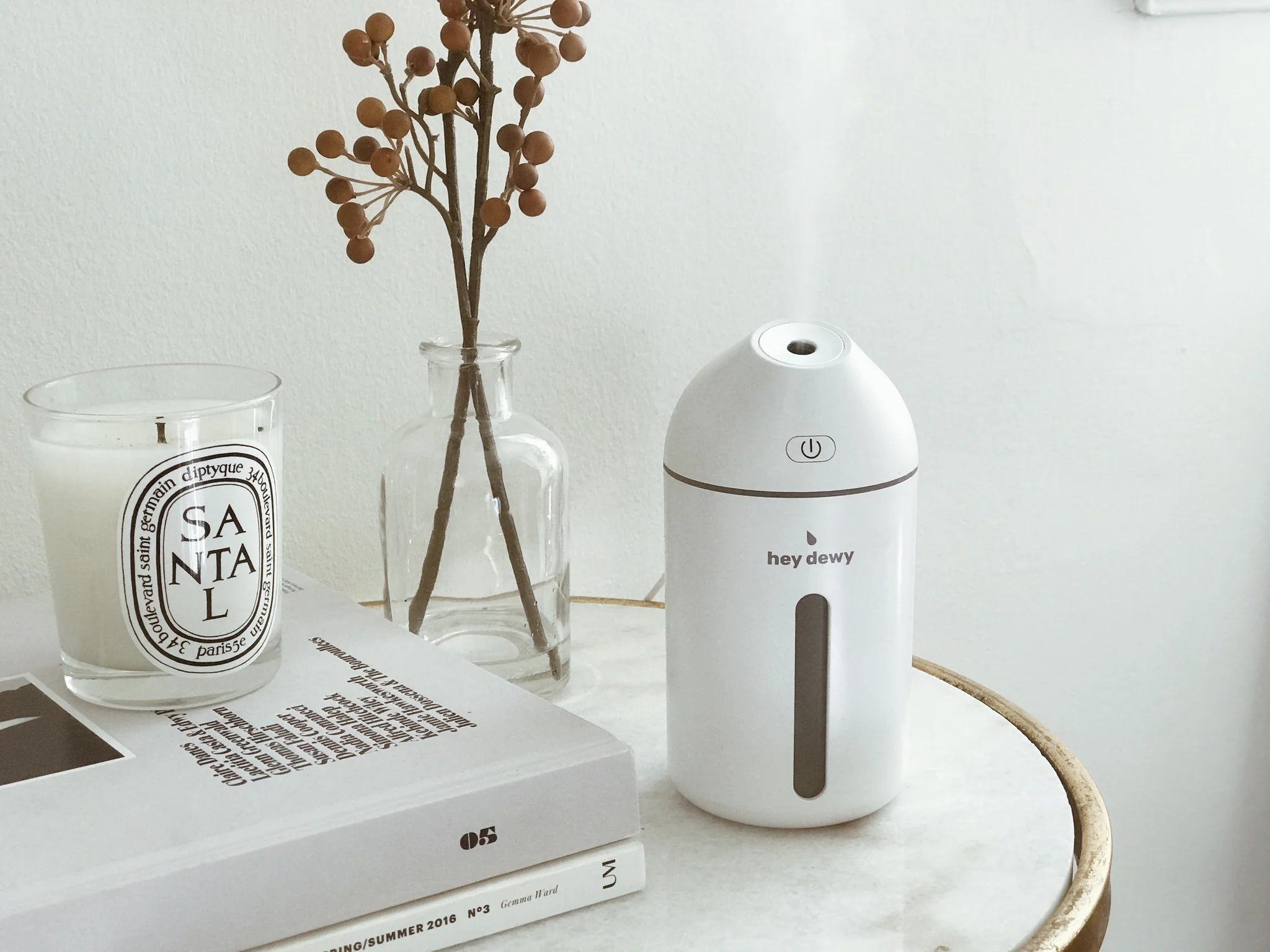
So, how do you take control and achieve that perfect 40-60% range? This is where a quality home appliance like a humidifier comes in. Gone are the days of loud, clunky machines. Today’s humidifiers are sleek, quiet, and packed with smart features. As a consultant, I’ve seen firsthand how the right unit can be a complete game-changer for a family’s well-being.
Bảng trống.Choosing Your Champion: A Quick Humidifier Breakdown
Navigating the world of humidifiers can feel overwhelming, but it really boils down to a few main types. Let’s break them down in simple terms.
Ultrasonic Humidifiers (Cool & Warm Mist)
These are incredibly popular and for good reason. They use a high-frequency vibrating plate (you can’t hear or feel it) to break down water into a super-fine, visible mist.
- Pros: Extremely quiet (often whisper-quiet), energy-efficient, and easy to clean. Many models offer both cool and warm mist options.
- Cons: The mist can sometimes leave a fine white dust (mineral deposits from your water) on furniture if you use hard tap water. Using distilled water solves this completely.
Evaporative Humidifiers (Cool Mist)
These are the workhorses of the humidifier world. They use a fan to blow air through a moistened wick or filter. The air picks up moisture and releases it into the room.
- Pros: Self-regulating (they won’t over-humidify a room), and the filter traps mineral deposits, so there’s no white dust.
- Cons: Can be a bit louder due to the fan, and you’ll need to replace the wick filter periodically.
Warm Mist Humidifiers (Vaporizers)
These use a heating element to boil water and release a warm, soothing steam into the air.
- Pros: The boiling process kills waterborne bacteria and germs. The warm mist can feel especially comforting if you have a cold or cough.
- Cons: They use more energy than other types and can be a burn risk for small children or pets, so careful placement is key.
Dr. Eleanor Vance, an indoor air quality specialist, often states, “Maintaining a proper indoor humidity level is one of the simplest, yet most effective, proactive steps you can take for your family’s respiratory health. It’s your first line of defense against airborne irritants in a dry environment.”
How to Pick the Perfect Humidifier for Your Space
Ready to find the right match? Here’s a simple checklist to guide you:
- Consider Room Size: A small personal humidifier won’t do much in a large living room. Check the manufacturer’s recommendation for the square footage the unit is designed to cover.
- Look for a Built-in Hygrostat: This feature is a game-changer. A hygrostat (or humidistat) measures the room’s humidity and automatically turns the humidifier on and off to maintain your desired level. It’s the “set it and forget it” feature you want.
- Think About Maintenance: How easy is the tank to fill and clean? A unit with a large, top-fill tank is much more convenient than one you have to carry to the sink and flip over. For a deeper dive, check out our guide on how to clean your humidifier.
- Cool Mist vs. Warm Mist: This often comes down to personal preference. Cool mist is generally recommended for homes with children for safety reasons. Warm mist can make a room feel slightly cozier in the winter. If you can’t decide, an ultrasonic model with both options offers the best of both worlds.
How Often Should I Clean My Humidifier?
You should aim to clean your humidifier at least once a week. A dirty humidifier can do more harm than good by releasing mold spores or bacteria into the air. A weekly cleaning ensures you’re only breathing in clean, healthy moisture.
Here’s a simple, effective cleaning routine:
- Unplug and Disassemble: Safety first! Unplug the unit and empty any water from the tank and base.
- The Vinegar Soak: Fill the tank with a solution of one part white vinegar to one part water. Let it sit for 20-30 minutes to dissolve any mineral buildup. Use a soft brush to gently scrub the inside of the tank and any small parts.
- Rinse Thoroughly: Pour out the vinegar solution and rinse all components with clean water until the vinegar smell is gone.
- Disinfect (Optional but Recommended): For a deeper clean, you can use a diluted bleach solution (about one teaspoon of bleach per gallon of water) and let it sit for about 15 minutes, then rinse extremely well.
- Air Dry: Let all the parts air dry completely before reassembling the unit. This is a crucial step to prevent any mold growth.
Frequently Asked Questions
Can a humidifier help with my allergies?
Yes, absolutely. By keeping your nasal passages moist, a humidifier can help your body trap and expel allergens like dust and pollen more effectively. It also helps soothe the irritation that often comes with allergy season.
What’s the best water to use in my humidifier?
Distilled or demineralized water is the gold standard. It contains no minerals, which means no white dust from ultrasonic models and less scale buildup in all types, making cleaning much easier and extending the life of your appliance.
Should the ideal indoor humidity level change in the winter?
You should still aim for the 40-60% range, but you might need to stay on the lower end of that spectrum (around 40-45%) in very cold weather. This is to prevent condensation from forming on cold windows, which can lead to moisture issues.
Where is the best place to put a humidifier in a room?
Place it on a flat, water-resistant surface at least a few feet off the ground. Keep it away from walls, curtains, and wooden furniture to allow for good air circulation and to prevent any moisture damage. In a bedroom, placing it a few feet from your bed is ideal.
Can using a humidifier make me sick?
Only if it’s dirty. An uncleaned humidifier can harbor mold and bacteria. But by following a simple weekly cleaning routine, you ensure that the mist it produces is clean and beneficial for your health.
The Takeaway: Your Comfort Is in Your Control
Achieving a healthy and comfortable home environment doesn’t require a major overhaul. Simply paying attention to your air quality and making small adjustments can have a massive impact on your health, sleep, and overall well-being. By understanding what is the ideal indoor humidity level and using a quality humidifier to maintain it, you are taking a powerful step toward creating a healthier sanctuary for you and your family. It’s one of the easiest and most rewarding investments you can make in your home.