Waking up with a scratchy throat, dealing with annoying static shocks, and watching your skin get drier by the day—sound familiar? That’s the signature of dry indoor air, a problem that plagues millions of homes, especially during winter or in arid climates. The solution is simple: a humidifier. But the moment you start shopping, you’re hit with the big question: Whole House Vs Portable Humidifier? It’s a classic debate, and as the lead consultant at Humidifier Go, I’m here to walk you through every detail so you can make the perfect choice for your home and your health. Think of me as your personal guide to a more comfortable, breathable life.
Why Do I Even Need a Humidifier?
Before we dive into the main event, let’s quickly touch on why this matters so much. Maintaining an ideal indoor humidity level (the sweet spot is between 40-60%) isn’t just a luxury; it’s a cornerstone of a healthy home environment.
- Breathe Easier: Properly humidified air soothes your nasal passages, reducing congestion, bloody noses, and the severity of cold and allergy symptoms.
- Healthier Skin and Hair: Say goodbye to chapped lips and itchy, flaky skin. Humidity helps your body’s largest organ stay hydrated and supple.
- Protect Your Home: Dry air leaches moisture from wood floors, furniture, and even musical instruments, causing them to crack and warp. A humidifier protects your investment.
- Better Sleep: By reducing snoring (which can be caused by a dry throat) and creating a more comfortable atmosphere, a humidifier can be your ticket to a more restful night’s sleep.
- Reduce Virus Transmission: Some studies suggest that viruses, like the flu, don’t travel as easily in properly humidified air.
The Contenders: A Deep Dive into Your Options
Alright, let’s get to the heart of the matter. The choice between a whole house vs portable humidifier comes down to understanding what each type brings to the table.
The Flexible Friend: The Portable Humidifier
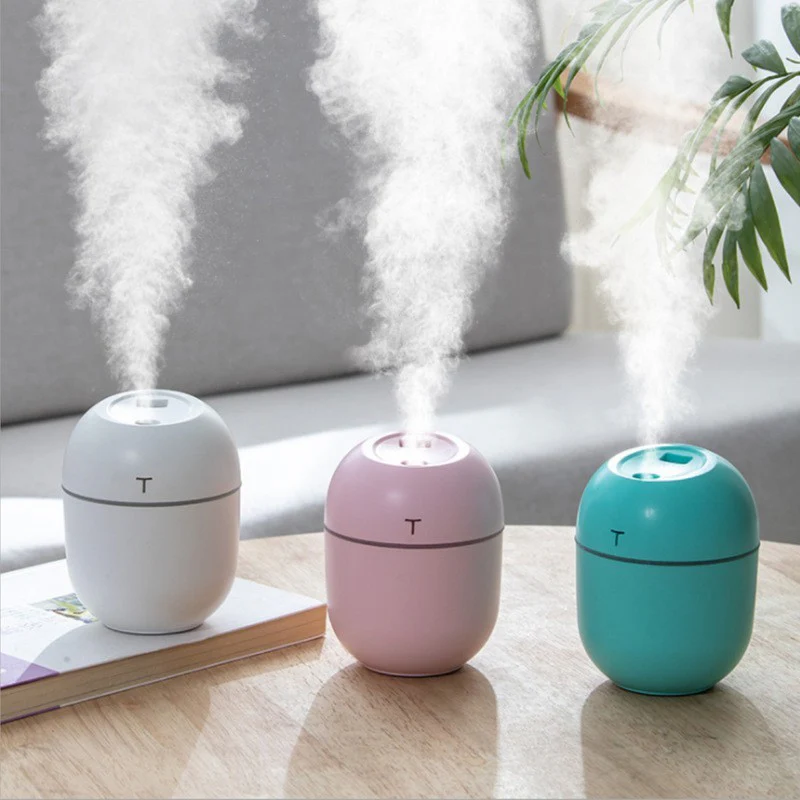
Think of a portable humidifier as a targeted specialist. It’s a standalone home appliance designed to manage the humidity in a single room or a specific area. They come in all shapes and sizes, and you’ve likely seen them in bedrooms, nurseries, or home offices.
The Pros of Going Portable:
- Budget-Friendly: The upfront cost is significantly lower, with great models available for well under a hundred dollars.
- Flexibility is Key: You can move it wherever you need it most—from the living room during the day to the bedroom at night.
- No Installation Needed: Just unbox it, fill it with water, plug it in, and you’re good to go. It’s perfect for renters or those who don’t want to modify their home.
- Variety of Technologies: You can choose from different types to suit your needs, including ultrasonic (quiet, cool mist), evaporative (self-regulating), and warm mist (great for colds).
The Cons to Consider:
- Limited Coverage: It’s a one-room solution. If you want to humidify multiple areas, you’ll need multiple units.
- Constant Maintenance: The water tanks are small and require daily refilling. You’ll also need to clean them frequently (at least once a week) to prevent mold and bacteria growth.
- Can Be Noisy: While some ultrasonic models are whisper-quiet, many fan-based evaporative models produce a noticeable hum.
The Set-It-and-Forget-It Solution: The Whole House Humidifier
A whole house humidifier is the powerhouse of humidity control. Instead of a standalone unit, it’s a system that integrates directly into your home’s central heating and cooling (HVAC) system. It uses your existing ductwork to deliver balanced humidity to every corner of your home.
The Perks of an Integrated System:
- Total Home Comfort: It provides consistent, even humidity throughout your entire house. No more moving units from room to room.
- Extremely Low Maintenance: There are no daily tanks to refill. These systems are connected directly to your home’s plumbing. Typically, they only require an annual check-up and filter change.
- Out of Sight, Out of Mind: The unit is hidden away with your furnace, so it doesn’t take up any living space or clash with your decor.
- Energy Efficient: By making the air feel warmer, a whole house humidifier can allow you to turn down your thermostat a few degrees, potentially saving you money on your heating bills.
The Downsides to Keep in Mind:
- Significant Upfront Investment: The cost of the unit and professional installation is much higher than a portable model.
- Installation Required: This is not a DIY job. You’ll need a qualified HVAC technician to install it, adding to the overall cost.
- Less Zoned Control: While it humidifies the whole house, it doesn’t offer a way to make one room significantly more humid than another.
Head-to-Head: Whole House vs Portable Humidifier
To make it even clearer, let’s put them side-by-side in a direct comparison.
| Feature | Portable Humidifier | Whole House Humidifier |
|---|---|---|
| Upfront Cost | Low ($30 – $200) | High ($500 – $3,000+ with installation) |
| Coverage Area | Single Room / Small Area | Entire Home |
| Maintenance | High (Daily refilling, weekly cleaning) | Low (Annual service, filter change) |
| Installation | None (Plug and Play) | Professional HVAC technician required |
| Convenience | Low (Requires constant attention) | High (Set-it-and-forget-it) |
| Water Source | Manual fill tank | Direct plumbing line |
| Best For | Renters, small spaces, targeted relief | Homeowners, large homes, total comfort |
How to Choose the Right Humidifier for Your Life
So, how do you decide? The best choice in the whole house vs portable humidifier debate really boils down to your personal circumstances. Ask yourself these key questions:
What’s Your Living Situation?
Are you a renter or a homeowner? If you’re renting, a portable humidifier is your only practical option. You can’t exactly ask your landlord to let you tap into the HVAC system. For homeowners, especially those in larger houses, a whole house system is a fantastic long-term investment in your property and your well-being.
What’s Your Budget?
If your budget is tight, a portable unit is the clear winner. You can get a high-quality, effective model for a fraction of the cost of a whole house system. If you see it as a long-term home improvement project, the upfront cost of a whole house unit can be justified by its convenience and potential energy savings over time.
How Much Space Do You Need to Cover?
Are you just trying to combat dry air in your bedroom for better sleep? A portable unit is perfect. But if you have dry air issues throughout your entire home—creaking floors, static everywhere, and discomfort in every room—a whole house system is the most effective and efficient solution.
How Much Maintenance Are You Willing to Do?
Be honest with yourself. Do you have the discipline to refill a water tank every day and deep clean the unit every week? If not, a portable humidifier could become a breeding ground for mold. If the idea of “set it and forget it” appeals to you, the minimal maintenance of a whole house system is a massive selling point.
As Dr. Eleanor Vance, a leading allergist, often says, “Maintaining consistent, clean humidity is a homeowner’s first line of defense against airborne irritants. An unmaintained humidifier, however, can do more harm than good. The best system is one you will actually maintain.”
Frequently Asked Questions
Let’s tackle some of the most common questions we get here at Humidifier Go.
1. Can I just use a large portable humidifier for my whole house?
While some powerful portable units are marketed for “large spaces,” they are not a true substitute for a whole house system. They lack the ductwork to distribute moisture evenly and will struggle to maintain a consistent humidity level across multiple rooms, leading to some areas being too damp and others still too dry.
2. Is a whole house humidifier really worth the investment?
For most homeowners in climates with dry winters, absolutely. The benefits to your health, the protection of your home’s woodwork, and the sheer convenience make it a worthwhile long-term investment that can even add to your home’s resale value.
3. How often should I clean my humidifier?
This is critical. For a portable humidifier, you should rinse the tank daily and do a thorough cleaning with vinegar or a recommended solution at least once a week. For a whole house humidifier, you typically only need to replace the water panel or filter once a year.
4. Do humidifiers use a lot of electricity?
Portable humidifiers generally use very little electricity, often less than a standard light bulb. Whole house humidifiers are also very efficient as they run in conjunction with your furnace’s blower fan, which is already operating to heat your home.
5. Can I use tap water in my portable humidifier?
You can, but it’s not always the best idea. Tap water contains minerals that can be dispersed into the air as fine white dust and can also lead to crusty buildup in your machine. Using distilled or demineralized water is the best way to ensure clean moisture and a longer lifespan for your appliance.
The Final Verdict
So, in the great whole house vs portable humidifier showdown, there’s no single champion. The winner is the one that fits your home, your budget, and your lifestyle.
If you’re looking for a flexible, affordable, and targeted solution for a single room, a portable humidifier is your go-to hero. It’s the perfect starting point for anyone new to the world of air quality improvement.
If you’re a homeowner looking for a seamless, powerful, and low-maintenance solution for total home comfort, investing in a whole house humidifier is a decision you’ll thank yourself for every single winter.
Whatever you choose, taking control of your home’s humidity is a powerful step toward a healthier, more comfortable life. Now, take a deep, soothing breath—you’ve earned it.