Hey there, from all of us at Humidifier Go! If you’ve ever found yourself sweltering in a room that feels both hot and stuffy, you might have wondered if that humidifier tucked away in the closet could pull double duty. It’s a question we hear all the time: Do Humidifiers Cool A Room? The short answer is, sometimes, a little, but not in the way an air conditioner does. It’s a bit more nuanced than a simple yes or no.
I remember one particularly brutal summer when my apartment’s AC was on the fritz. The air was thick and dry, and I was desperate for relief. I dusted off my cool mist humidifier, hoping for a miracle. While it didn’t magically drop the temperature by 10 degrees, it did make the room feel noticeably more comfortable and breathable. That experience sparked my journey into understanding the fascinating science behind humidity and comfort. So, let’s break down the real relationship between humidity, temperature, and how these amazing home appliances actually work.
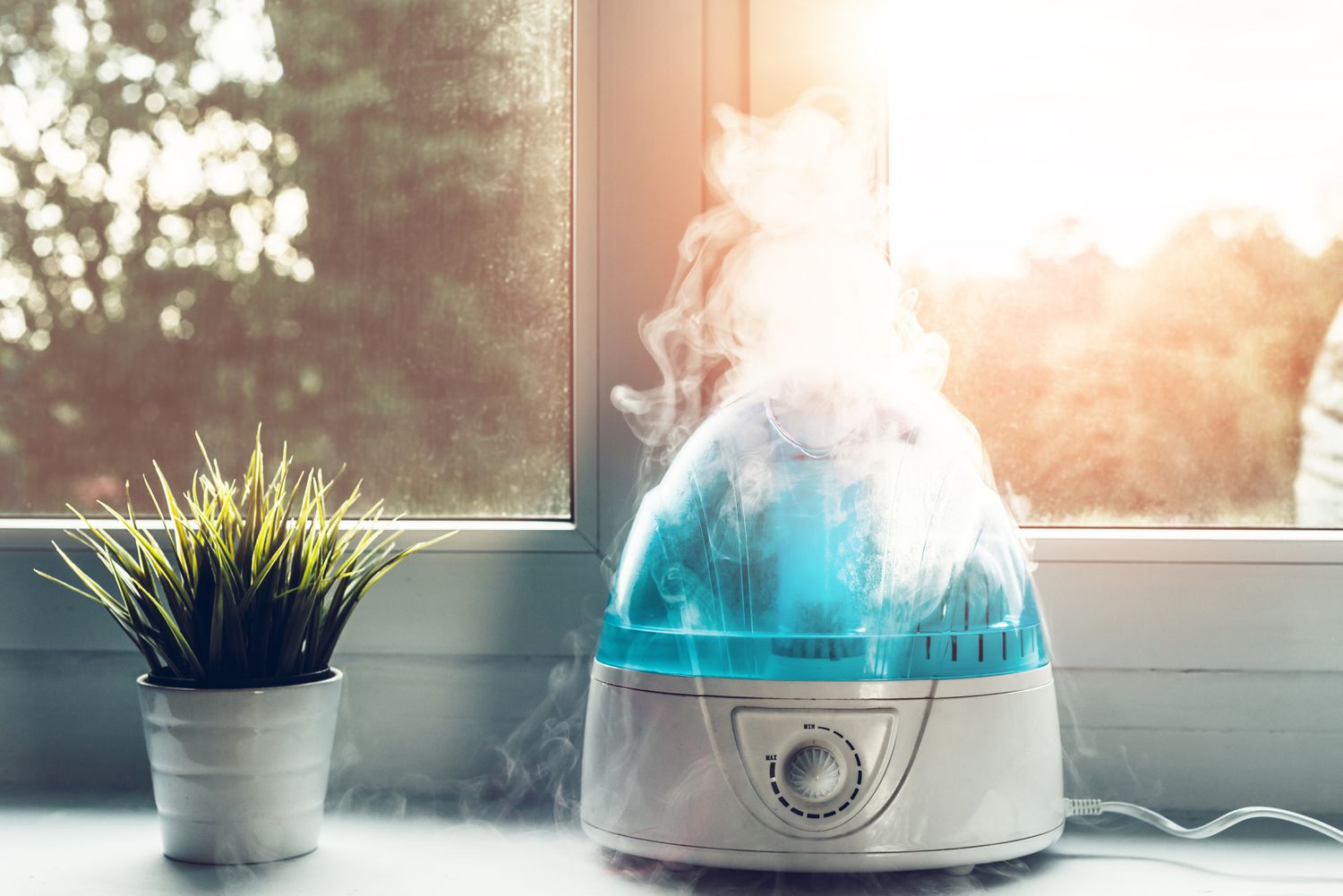
The Science of Cool: Evaporative Cooling Explained
To understand how a humidifier might cool a room, we need to talk about a neat little scientific principle called evaporative cooling. It sounds complex, but you experience it every single day.
Think about what happens when you get out of a swimming pool on a breezy day. You feel a chill, right? That’s evaporative cooling in action. As the water on your skin evaporates—turning from a liquid to a gas (water vapor)—it needs energy to make that change. It pulls that energy in the form of heat directly from your skin, leaving you feeling cooler.
A specific type of humidifier, the cool mist humidifier, uses this exact principle. By adding a fine mist of room-temperature water into the air, it creates countless tiny droplets. These droplets then evaporate, drawing a small amount of heat energy from the surrounding air. This process can lead to a very slight drop in the actual room temperature, usually only by a degree or two.
Does the Type of Humidifier Matter? Absolutely.
Not all humidifiers are created equal when it comes to temperature effects. The impact on your room’s climate depends entirely on the technology inside the machine. Let’s look at the main players.
Cool Mist Humidifiers: The Main Contenders for Cooling
These are the devices that can produce that subtle cooling effect we just talked about. They come in two primary forms:
- Ultrasonic Humidifiers: These are incredibly popular and often whisper-quiet. They use a high-frequency vibrating diaphragm to break water into a super-fine, visible mist that is then released into the room. Because this mist is at room temperature, it will create a mild cooling sensation as it evaporates.
- Evaporative Humidifiers: These models are a bit more old-school but highly effective. They use a fan to blow air through a wet wick or filter. The air picks up moisture as it passes through, and the process of evaporation itself cools the air slightly before it’s circulated back into the room. This is the most direct application of the evaporative cooling principle.
Warm Mist Humidifiers: The Opposite Effect
As the name suggests, warm mist humidifiers work differently. They contain a heating element that boils the water, creating a warm, soothing steam. This process is great for killing waterborne bacteria and mold before they enter your air.
However, because they are essentially boiling water, they will release a warm vapor and add a tiny amount of heat to the room. It’s not enough to replace a space heater, but they certainly won’t be helping you cool down on a hot day. So, if your primary goal is to address the question do humidifiers cool a room, a warm mist model is not the answer.
Bảng trống.So, How Much Cooler Will My Room Actually Feel?
Let’s be realistic. A humidifier is not a secret, budget air conditioner. The cooling effect from a cool mist model is subtle. You’re unlikely to see a dramatic drop on your thermostat.
What you will experience is a change in the perceived temperature. Dry air can often feel harsher and more uncomfortable. By adding moisture, a humidifier can make the air feel softer, more breathable, and consequently, more comfortable, even if the actual temperature has only dropped by a single degree.
“Many people confuse thermal comfort with just the number on the thermostat,” notes Dr. Eleanor Vance, an indoor air quality specialist. “But humidity plays a huge role. By maintaining an ideal humidity level of 40-60%, you’re not just helping your respiratory system; you’re creating an environment that feels more temperate and pleasant, regardless of the season.”
In very dry climates, the cooling effect can be slightly more pronounced. However, in already humid environments, adding more moisture can actually make you feel warmer and stickier, as it hinders your body’s natural ability to cool itself through sweating.
Humidifier vs. Air Conditioner: Know Your Appliance
It’s easy to get home appliances confused, but their functions are worlds apart. Let’s clear things up.
| Appliance | Primary Function | How It Works | Temperature Effect |
|---|---|---|---|
| Humidifier | Adds moisture to the air | Releases water vapor or mist | Cool Mist: Slight cooling. Warm Mist: Slight warming. |
| Air Conditioner | Removes heat and humidity | Uses refrigerant to cool air | Significant cooling. |
| Evaporative Cooler | Cools air by evaporating water | Blows air over water-soaked pads | Moderate cooling, most effective in dry climates. |
The bottom line: If your goal is to significantly lower the temperature of a room, an air conditioner is the tool for the job. If your goal is to combat dry air and improve overall comfort, a humidifier is your best friend.
Beyond Cooling: The Real Reasons to Love Your Humidifier
While the cooling debate is interesting, it’s not the primary reason millions of people rely on humidifiers. Their true power lies in optimizing your indoor air quality, which brings a whole host of benefits:
- Healthier Breathing: Ideal humidity helps soothe irritated nasal passages, reduce bloody noses, and can alleviate symptoms of colds, allergies, and asthma.
- Better Skin and Hair: Say goodbye to dry, itchy skin and frizzy hair. Proper humidity helps keep your body naturally moisturized.
- Improved Sleep: By reducing snoring (which can be caused by dry airways) and creating a more comfortable atmosphere, a humidifier can lead to a more restful night’s sleep.
- Protect Your Home: Dry air can wreak havoc on wood floors, furniture, and even musical instruments, causing them to crack and warp. A humidifier protects your investment.
- Happier Houseplants: Many popular houseplants thrive in more humid conditions. A humidifier can help your green friends flourish.
How to Maximize Your Humidifier’s Performance
To get the most out of your device, whether for comfort or health, proper use and maintenance are key.
1. Choose the Right Size
Make sure the humidifier is rated for the size of your room. A small tabletop unit won’t make a dent in a large living room, and an oversized one could create too much moisture.
2. Find the Perfect Spot
Place your humidifier on a flat, waterproof surface at least a few feet off the ground. This allows the mist to disperse evenly. Avoid placing it right next to walls or furniture to prevent moisture damage.
3. Use the Right Water
To prevent a buildup of white mineral dust (especially with ultrasonic models), it’s best to use distilled or demineralized water. Tap water in many areas is high in minerals that can be dispersed into the air.
4. Clean It Religiously
This is the most important rule. A dirty humidifier can become a breeding ground for mold and bacteria, which it will then pump into your air.
- Daily: Empty, rinse, and dry the tank.
- Weekly: Descale the unit using a solution of white vinegar and water. Let it soak for 20-30 minutes to dissolve any mineral buildup.
- Disinfect: After descaling, rinse thoroughly and use a diluted bleach or hydrogen peroxide solution as recommended by the manufacturer to kill any lingering germs.
- Rinse Again: Rinse multiple times to ensure no cleaning chemicals are left behind.
Frequently Asked Questions
Can I use a humidifier and an air conditioner at the same time?
Yes, and it can be a great combination! Air conditioners are fantastic at cooling, but they also tend to dry out the air. Running a humidifier at the same time can reintroduce that much-needed moisture, creating an environment that is both cool and comfortable.
What is the ideal humidity level for a room?
Most experts, including the EPA, recommend keeping indoor humidity between 30% and 50%. A simple device called a hygrometer can measure the humidity in your room to help you maintain the perfect balance.
Will a cool mist humidifier make my room feel damp or stuffy?
Only if you overuse it. If you run it too high or in a room that is already humid, you can raise the humidity to an uncomfortable level. It’s best to use a model with a built-in humidistat that automatically shuts off when the desired level is reached.
Does running a humidifier use a lot of electricity?
Generally, no. Ultrasonic and evaporative humidifiers are very energy-efficient, often using less power than a standard light bulb. Warm mist models use more energy due to their heating elements.
The Final Verdict
So, let’s circle back to our big question: do humidifiers cool a room? The answer is that cool mist models can provide a mild, subtle cooling effect through evaporation, making a room feel more comfortable. However, their primary and most important job is to add essential moisture to your air.
Don’t buy a humidifier expecting it to be a powerhouse air conditioner. Instead, embrace it for what it is: a crucial tool for creating a healthier, more balanced, and ultimately more comfortable indoor sanctuary. By combating the negative effects of dry air, you’re not just improving your home’s climate—you’re investing in your health and well-being.