Are expensive humidifiers worth it? Often, yes, because premium models offer advanced features like built-in humidistats, larger tank capacities, and superior filtration, which provide greater convenience, efficiency, and health benefits compared to basic units. While a budget humidifier can address temporary dryness in small spaces, an investment in a higher-priced model delivers automated humidity control and cleaner mist for a healthier indoor environment.
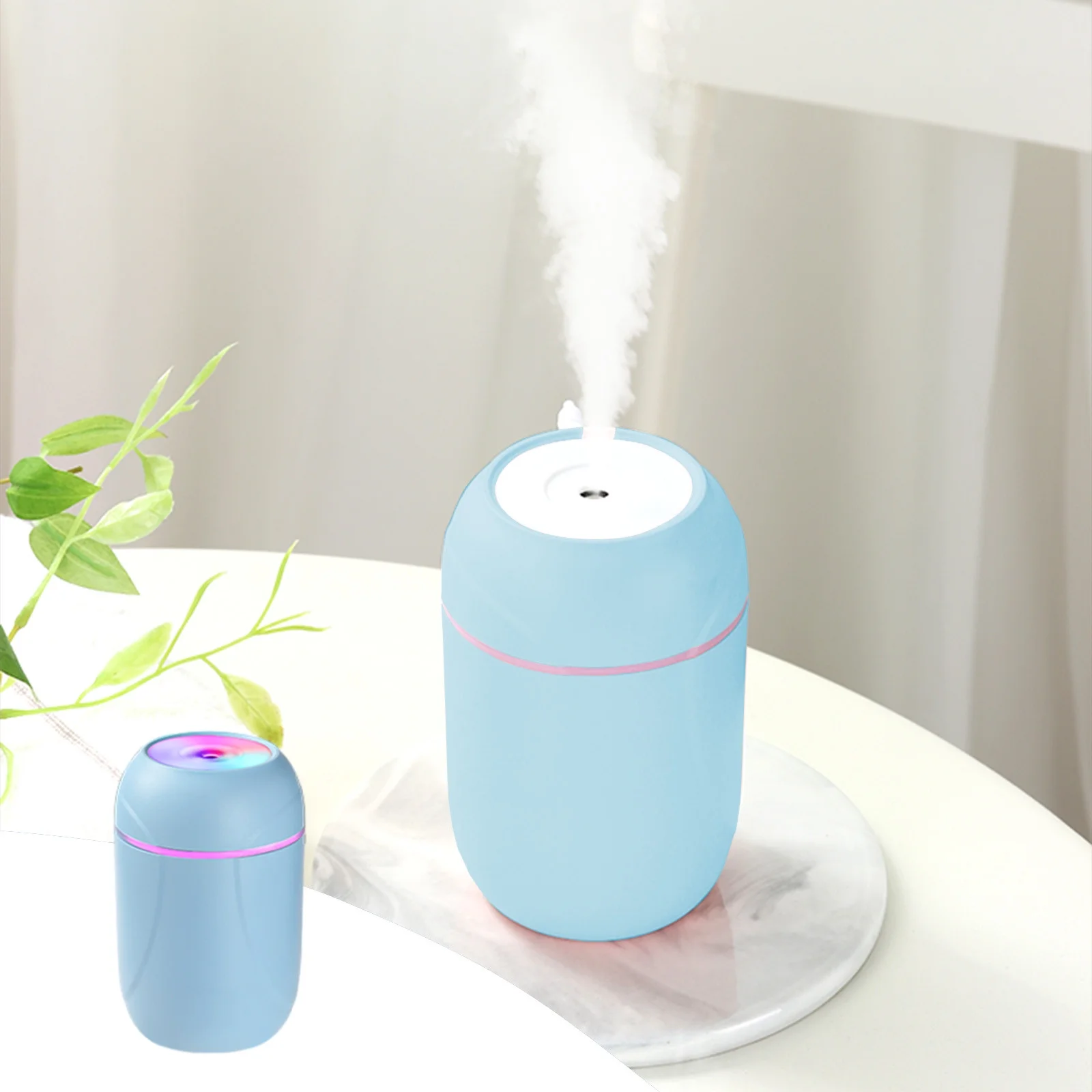
The Price Gap: What Are You Actually Paying For?
When you jump from a $40 humidifier to a $200+ model, you’re not just paying for a fancy brand name. You’re paying for technology, convenience, and peace of mind. Think of it like buying a car. A basic model will get you from A to B, but a premium model offers advanced safety features, a smoother ride, better fuel efficiency, and a host of comforts you’ll appreciate every single day.
What a Budget Humidifier Typically Offers:
- Basic Humidification: It will release mist into the air and raise the humidity.
- Small Water Tank: Usually requires daily refilling.
- Manual Controls: A simple on/off switch or a dial to control mist output.
- Limited Coverage: Best suited for a small bedroom or office space.
A budget model is a great starting point, but it often requires a lot of manual guesswork and constant attention. For see our home air recommendations on this site.
Where the Extra Money Goes in a Premium Model:
- Built-in Humidistat: This is a game-changer. An internal sensor measures the room’s current humidity and automatically adjusts the mist output to maintain your desired level. This prevents over-humidification (which can lead to mold) and saves energy. It’s the “set it and forget it” feature you never knew you needed.
- Larger Tank Capacity & Coverage Area: Premium models are built for larger spaces like open-plan living rooms or master bedrooms. A larger tank means you might only need to refill it every couple of days instead of every night.
- Advanced Filtration & Purification: This is a major selling point for health-conscious users. Many expensive humidifiers include:
- UV-C Light Technology: A germ-killing superhero that zaps bacteria, mold, and viruses in the water tank before they can be released into your air.
- Demineralization Cartridges: These trap minerals from hard water, preventing that fine, white dust you sometimes see from ultrasonic models.
- Whisper-Quiet Operation: Premium ultrasonic and evaporative models are engineered for near-silent performance, making them perfect for light sleepers or a baby’s nursery.
- Warm and Cool Mist Options: Having both gives you year-round flexibility. Cool mist is great for general use and is safer around children, while a warm mist can feel soothing during a cold and may help inhibit bacteria growth in the unit.
- Smart Features: Think Wi-Fi connectivity, app controls on your phone, scheduling, and integration with voice assistants like Alexa or Google Assistant.
As Dr. Eleanor Vance, an indoor air quality specialist, often states, “A smart humidifier with a built-in humidistat does more than add moisture; it actively manages your environment. Think of it not as an expense, but as an investment in a stable, healthier indoor ecosystem.”
Are Expensive Humidifiers Worth It for Your Specific Needs?
Now for the most important part: matching the features to your lifestyle. A top-of-the-line model isn’t always the right choice, but for many, it’s a worthwhile upgrade.
You Should Consider Investing If…
Bảng trống.- You Have a Large, Open-Concept Home: A small unit will struggle to make a difference. A premium model with a large coverage area rating is essential to effectively humidify the space.
- You or Your Family Suffer from Allergies or Asthma: The air you breathe is critical. A unit with UV-C light and advanced filtration can provide cleaner, healthier moisture, reducing airborne irritants that trigger symptoms.
- It’s for a Nursery or Child’s Room: Safety and convenience are paramount. A filter-free, whisper-quiet cool mist model with an automatic shut-off and a humidistat ensures a safe, comfortable, and consistent sleeping environment for your little one.
- You Value Convenience and Automation: If you’re the “set-it-and-forget-it” type, the value of a large tank you refill infrequently and a humidistat that does all the work for you cannot be overstated. Smart features are the cherry on top.
- You Have Hard Water: That white mineral dust isn’t just messy; you’re also breathing it in. An expensive humidifier with a demineralization filter is absolutely worth it to protect your air quality and your furniture.
A Quick Guide to Humidifier Types
Understanding the core technology can also help clarify the price differences.
| Feature | Ultrasonic Humidifier | Evaporative Humidifier | Warm Mist Humidifier (Vaporizer) |
|---|---|---|---|
| How it Works | A high-frequency vibrating plate creates a fine, cool mist. | A fan blows air through a wet wick filter, releasing moisture. | A heating element boils water to create a soothing, warm steam. |
| Noise Level | Very quiet to nearly silent. | Can have some fan noise. | Quiet, with a gentle boiling sound. |
| Key Pro | Energy efficient and quiet. | Self-regulating; won’t over-humidify. Traps minerals in its filter. | Kills waterborne germs through boiling. Warm mist can feel comforting. |
| Key Con | Can release white mineral dust if used with hard water. | Filters need regular replacement. Fan can be noisy. | Uses more energy. The hot water can be a burn risk for kids/pets. |
| Price Range | Wide range from budget to premium. | Generally mid-range. | Typically budget to mid-range. |
Getting the Most From Your Investment: Use and Maintenance
No matter how much you spend, a humidifier is only as good as its maintenance routine. A dirty humidifier can do more harm than good. The U.S. Environmental Protection Agency (EPA) strongly recommends regular cleaning to prevent the growth of harmful microorganisms.
Your Simple Cleaning Checklist
- Daily Refresh: Empty the tank, rinse it thoroughly, and refill it with fresh, clean water. Pro-tip: Using distilled or demineralized water is the single best thing you can do to extend your unit’s life and improve air quality.
- Weekly Deep Clean: Unplug the unit. Empty any remaining water.
- Descale: Fill the tank or base with a solution of white vinegar and water (usually 1-2 cups of vinegar is enough). Let it sit for 20-30 minutes to dissolve any mineral buildup.
- Disinfect: After rinsing out the vinegar, use a soft brush to gently scrub any nooks and crannies. You can disinfect with a diluted bleach solution or hydrogen peroxide, but be sure to rinse extremely well afterward to remove all traces of chemicals.
- Rinse and Dry: Rinse all parts thoroughly with clean water and let them air dry completely before reassembling.
Frequently Asked Questions (FAQ)
What is the main benefit of an expensive humidifier?
The primary benefit is automated and cleaner humidification. Features like a built-in humidistat maintain a perfect humidity level without any guesswork, while advanced filtration systems and UV-C lights ensure the mist released into your air is free from minerals and germs.
Can a cheap humidifier still be effective?
Absolutely. For a small room like a home office or a dorm, a basic, inexpensive humidifier can be very effective at raising humidity and alleviating dryness. You’ll just need to monitor it more closely and be diligent about daily refilling and cleaning.
How often should I clean my humidifier?
It’s best to rinse the tank daily when you refill it. A thorough cleaning and disinfecting should be done at least once a week, or more often if you have hard water or if someone in the household has respiratory issues.
Do expensive humidifiers use less electricity?
Not necessarily, but they use it more efficiently. A model with a humidistat will automatically shut off when the target humidity is reached, saving energy compared to a basic model that runs continuously until you turn it off.
Is a warm mist or cool mist humidifier better?
Both are equally effective at humidifying the air. Cool mist is generally recommended for homes with children and pets due to the lack of a hot heating element. Warm mist can feel more comforting in the winter and has the added benefit of boiling water, which kills germs.
The Final Word
So, are expensive humidifiers worth it? If you view a humidifier as a simple appliance to combat temporary dryness, a budget model will do the trick. But if you see it as an integral part of your home’s health and wellness system—an investment in better sleep, easier breathing, and overall comfort—then the advanced features, convenience, and superior performance of a premium model are undoubtedly worth the price. You’re not just buying a machine; you’re buying a precisely controlled, healthier, and more comfortable indoor environment. And that’s an investment that pays dividends every single day.
Frequently Asked Questions
What is the main benefit of an expensive humidifier?
The primary benefit of an expensive humidifier is automated and cleaner humidification. Features like a built-in humidistat maintain a perfect humidity level without guesswork, while advanced filtration systems and UV-C lights ensure the mist released is free from minerals and germs.
Can a cheap humidifier still be effective?
Absolutely. For a small room like a home office or a dorm, a basic, inexpensive humidifier can be very effective at raising humidity and alleviating dryness. However, it requires more manual monitoring, daily refilling, and diligent cleaning.
How often should I clean my humidifier?
It's best to rinse the humidifier tank daily when you refill it with fresh water. A thorough cleaning and disinfecting should be done at least once a week, or more often if you have hard water or if someone in the household has respiratory issues.
Do expensive humidifiers use less electricity?
Not necessarily, but expensive humidifiers use electricity more efficiently. A model with a humidistat will automatically shut off when the target humidity is reached, saving energy compared to a basic model that runs continuously until manually turned off.
Is a warm mist or cool mist humidifier better?
Both warm mist and cool mist humidifiers are equally effective at humidifying the air. Cool mist is generally recommended for homes with children and pets due to the lack of a hot heating element, while warm mist can feel comforting in winter and kills germs through boiling.
Clean Your Humidifier for Optimal Performance
Regular cleaning is crucial for maintaining your humidifier's effectiveness and preventing the growth of harmful microorganisms. Follow these steps to keep your unit clean and your air healthy.
Empty the humidifier tank daily, rinse it thoroughly with clean water, and then refill it with fresh water. Using distilled or demineralized water is highly recommended to extend the unit's life and improve air quality.
Unplug the unit and empty any remaining water from the tank and base. This prepares the humidifier for a more thorough cleaning process to remove mineral buildup and disinfect surfaces.
Fill the tank or base with a solution of white vinegar and water, typically 1-2 cups of vinegar. Let this solution sit for 20-30 minutes to effectively dissolve any mineral deposits or hard water scale.
After rinsing out the vinegar solution, use a soft brush to gently scrub all nooks and crannies. You can disinfect with a diluted bleach solution or hydrogen peroxide, but ensure you rinse all parts extremely well afterward to remove any chemical traces.
Rinse all humidifier parts thoroughly with clean water to remove any cleaning solutions. Allow all components to air dry completely before reassembling the unit to prevent mold and mildew growth.
Pet products vetted on real animals
Practical specs, not advice. Unsubscribe anytime.
I was really on the fence about spending more than $100 on a humidifier, but after reading about the benefits of a built-in humidistat, I decided to go for a mid-range model. It’s been a game-changer! My dry skin and morning congestion are so much better, and I love that it just maintains the perfect humidity level without me constantly fiddling with it. Definitely worth the investment for the convenience alone.
I used to just buy the cheapest humidifier every year, but they always broke or got moldy fast. This time, I splurged on one with superior filtration, and I can actually tell the difference in the air quality. It feels cleaner, and I’m not worried about breathing in weird stuff. The larger tank capacity is also a huge plus, I don’t have to refill it nearly as often.
My old budget humidifier just couldn’t handle our large living room, and I was constantly refilling it. Upgrading to a more expensive model with a bigger tank and better efficiency has made a huge difference. It covers the whole space easily, and the air feels so much more comfortable. It really does feel like a premium product compared to my old one.
I got one of the $200+ models hoping for a really quiet experience, but it’s still a bit louder than I expected, especially on higher settings. The automated humidity control is great, and it does a good job keeping my bedroom comfortable. I just wish it was a little more silent for the price point. It’s not terrible, but noticeable.