Humidifiers offer significant benefits for sinuses and allergies by adding moisture to dry indoor air, which helps soothe irritated nasal passages, thin mucus for easier clearing, and reduce airborne allergens. Maintaining an optimal indoor humidity level between 40-60% can alleviate symptoms like congestion, dry throat, and coughing, improving overall respiratory comfort and sleep quality.
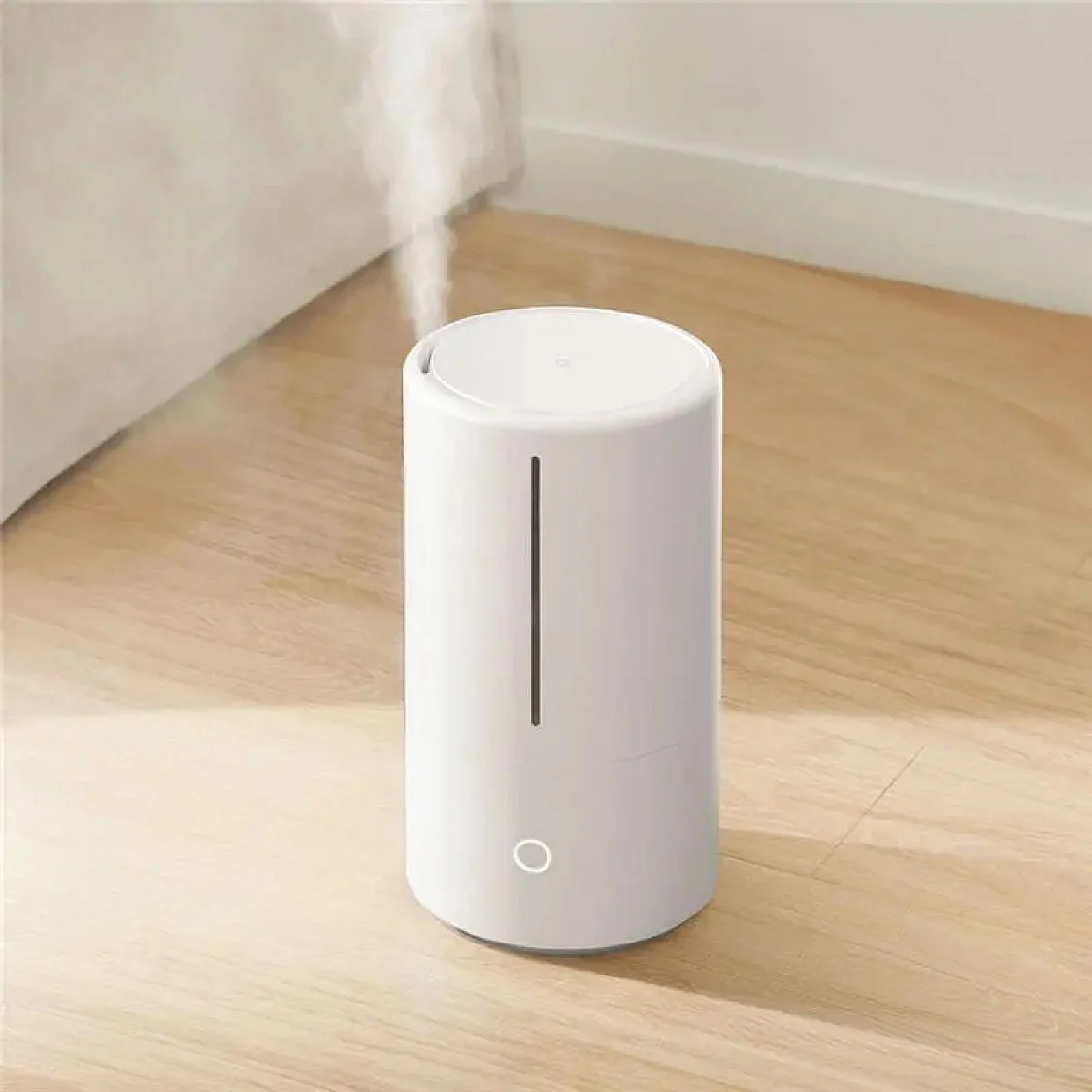
Why Dry Air is Your Sinuses’ Worst Nightmare
Before we talk about the solution, let’s understand the problem. Think of your nasal passages and sinuses as your body’s first line of defense against airborne invaders like dust, pollen, and viruses. This defense system works best when it’s moist. A thin layer of mucus is designed to trap these particles before they can cause irritation or illness.
When the air is too dry—a common issue in winter when the heat is on, or in arid climates—this protective mucus blanket evaporates. Your nasal passages become dry, cracked, and irritated. Your body’s response? To produce more mucus to compensate, but it’s often thicker and stickier, leading to the very congestion you’re trying to avoid. It’s a vicious cycle of irritation and stuffiness.
The Core Humidifier Benefits for Sinuses and Allergies
This is where a quality humidifier steps in, not as a fancy gadget, but as a fundamental tool for respiratory wellness. By reintroducing controlled, clean moisture into your air, it directly counteracts the effects of a dry environment.
Here’s a breakdown of the key benefits:
- Moisturizes Nasal Passages: This is the most immediate relief you’ll feel. Moist air soothes irritated, dry nasal tissues, reducing that painful, itchy feeling and preventing nosebleeds caused by dryness.
- Thins Mucus and Relieves Congestion: Instead of producing thick, stubborn mucus, your body can produce a thinner, more effective version when your sinuses are properly hydrated. This allows you to clear congestion more easily, whether from a cold or chronic sinusitis.
- Reduces Airborne Allergens: Many allergens, like dust mites, thrive in dry conditions. More importantly, dry air allows dust, pet dander, and pollen to stay airborne for longer. Humid air is heavier; the water vapor attaches to these particles, causing them to fall out of the air and onto surfaces where they can be cleaned away, rather than inhaled.
- Soothes Sore Throats and Coughs: A dry, hacking cough is often aggravated by breathing in dry air, especially at night. A humidifier keeps your throat and airways moist, reducing the irritation that triggers coughing fits and helping you get a more restful sleep.
- Improves Overall Sleep Quality: When you can breathe freely through your nose without congestion or a dry throat, your sleep quality skyrockets. No more waking up parched and stuffy.
Dr. Eleanor Vance, a leading allergist, often emphasizes this point: “Maintaining an ideal indoor humidity level between 40-60% is one of the most effective, non-medicinal strategies for managing allergy and sinus symptoms. It creates an environment where your respiratory system can function optimally.”
Choosing Your Air Quality Champion: Types of Humidifiers
Walking into the world of humidifiers can feel overwhelming. Cool mist? Warm mist? Ultrasonic? Let’s break it down into simple terms. At Humidifier Go, we believe the best choice is an informed one.
Ultrasonic Humidifiers: The Silent Performers
Bảng trống.These are incredibly popular and for good reason. They use high-frequency vibrations to break water into a super-fine, cool mist.
- Pros: Whisper-quiet operation (perfect for bedrooms), energy-efficient, no hot parts making them safe around children and pets.
- Cons: Can produce a fine “white dust” (mineral deposits from your water) if you use hard tap water. Using distilled or demineralized water solves this.
Evaporative Humidifiers: The Self-Regulating Workhorses
These units use a fan to blow air through a moistened wick or filter. The air picks up moisture and disperses it into the room.
- Pros: Self-regulating (they won’t over-humidify a room), and the filter traps minerals, so there’s no white dust.
- Cons: Can be noisier due to the fan, and you’ll need to replace the filter periodically to prevent bacteria and mold growth.
Warm Mist Humidifiers: The Cozy Comforters
These use a heating element to boil water, releasing a warm, soothing steam into the air.
- Pros: The boiling process kills waterborne bacteria and mold. The warm mist can feel particularly comforting during a cold or flu.
- Cons: Uses more energy, and the hot water presents a potential burn risk, making them less ideal for homes with small children.
To help you decide, here’s a quick comparison:
| Feature | Ultrasonic | Evaporative | Warm Mist |
|---|---|---|---|
| Noise Level | Very Quiet | Moderate | Quiet (gurgling) |
| Energy Use | Low | Low to Moderate | High |
| White Dust | Possible with tap water | No | No |
| Child Safety | Excellent (cool mist) | Good | Caution (hot steam) |
| Best For | Bedrooms, quiet spaces | General living areas | Cold climates, sick rooms |
How Do I Pick the Right Humidifier for My Space?
Choosing the right unit goes beyond the type. Consider these crucial factors:
- Room Size: A small desktop humidifier won’t do much in a large living room. Check the manufacturer’s recommendation for square footage to ensure it’s powerful enough for your space.
- Ease of Cleaning: This is non-negotiable. A dirty humidifier can do more harm than good. Look for models with wide tank openings and parts that are easy to disassemble and access.
- Built-in Humidistat: This feature is a game-changer. A humidistat (or hygrometer) measures the room’s humidity and automatically turns the unit on and off to maintain your desired level. This prevents over-humidification, which can lead to condensation and mold growth.
- Tank Capacity & Run Time: How often do you want to refill the tank? A larger tank means a longer run time, which is ideal for overnight use without interruption.
Getting the Most Out of Your Humidifier: Use and Maintenance
Owning a humidifier is like owning a plant; it needs a little care to thrive and do its job effectively. Proper maintenance is key to reaping the humidifier benefits for sinuses and allergies without any downsides.
A Step-by-Step Guide to Cleaning Your Humidifier
Follow this simple weekly routine to keep your unit pristine and safe. The EPA (U.S. Environmental Protection Agency) strongly recommends regular cleaning to prevent the dispersal of harmful microorganisms.
- Unplug and Disassemble: Safety first! Unplug the unit and take apart all removable pieces, including the water tank.
- Empty and Rinse: Pour out any remaining water. Never let water sit in the tank for days.
- Descale with Vinegar: Fill the base and/or tank with a solution of one part white vinegar to one part water. Let it sit for at least 30-60 minutes. This will break down any mineral buildup (scale).
- Scrub Gently: Use a soft brush or cloth to scrub away any remaining residue. An old toothbrush works wonders for small crevices.
- Rinse Thoroughly: Rinse all parts with clean water until the vinegar smell is gone. You don’t want your mist smelling like a salad!
- Air Dry and Reassemble: Let all the parts air dry completely before putting the humidifier back together for its next use.
How Often Should I Clean My Humidifier?
You should give your humidifier a thorough cleaning at least once a week if you use it regularly. A quick rinse and refill with fresh water should be done daily. Stagnant water is a breeding ground for bacteria, so always start with a fresh tank.
Frequently Asked Questions
Can a humidifier actually make my allergies worse?
A humidifier can make allergies worse only if it’s not maintained properly or if humidity levels are too high. A dirty tank can disperse mold spores and bacteria. Humidity levels above 60% can encourage the growth of dust mites and mold. The key is to keep it clean and use a humidistat to maintain a healthy level of 40-50%.
Is cool mist or warm mist better for sinuses and allergies?
Both are effective at adding moisture to the air, which is the primary goal. The American Academy of Pediatrics often recommends cool-mist humidifiers for safety reasons in homes with children. Some people find the warm mist more soothing when they have a cold, but for general sinus and allergy relief, a cool-mist model is perfectly effective and often more energy-efficient.
What is the ideal humidity level for a home?
The ideal indoor humidity level is between 40% and 60%. Most experts, including those at Humidifier Go, suggest aiming for a sweet spot right around 45-50%. This is moist enough to soothe your airways but not so high that it encourages mold or dust mite proliferation.
Should I use tap water or distilled water in my humidifier?
Distilled or demineralized water is the best choice, especially for ultrasonic models. Tap water contains minerals that can be dispersed as fine white dust, which can settle on furniture and potentially be inhaled. More importantly, these minerals can create crusty deposits inside your machine that are difficult to clean.
Where is the best place to put a humidifier in a room?
Place your humidifier on a flat, water-resistant surface at least a few feet off the ground. This allows the mist to disperse evenly into the air rather than settling on the floor. Keep it away from wooden furniture, electronics, and walls to prevent any potential moisture damage.
Breathe Easier, Live Better
Navigating the world of sinus pain and allergy symptoms can feel like a never-ending struggle. But the solution might be simpler than you think. By addressing the root cause—dry indoor air—you can create a sanctuary in your own home. The right humidifier isn’t just a machine; it’s an investment in your respiratory health, your sleep, and your overall quality of life. Understanding the humidifier benefits for sinuses and allergies is the first step. The next is to take control of your air and start breathing the clean, comfortable, and healthy air you deserve.
Frequently Asked Questions
Can a humidifier actually make my allergies worse?
A humidifier can worsen allergies if not properly maintained or if humidity levels exceed 60%. A dirty tank can disperse mold spores and bacteria, while high humidity encourages dust mites and mold. Maintain a clean unit and use a humidistat to keep humidity between 40-50% for optimal results.
Is cool mist or warm mist better for sinuses and allergies?
Both cool mist and warm mist humidifiers effectively add moisture to the air, which is the primary goal for sinus and allergy relief. The American Academy of Pediatrics often recommends cool-mist humidifiers for safety in homes with children. For general relief, cool-mist models are effective and typically more energy-efficient.
What is the ideal humidity level for a home?
The ideal indoor humidity level for a home is between 40% and 60%. Experts at Humidifier Go suggest aiming for approximately 45-50%. This range is sufficient to soothe airways without promoting the growth of mold or dust mites.
Should I use tap water or distilled water in my humidifier?
Distilled or demineralized water is the best choice for humidifiers, especially ultrasonic models. Tap water contains minerals that can create fine white dust, which settles on surfaces and can be inhaled, and also forms crusty deposits inside the machine, making cleaning difficult.
Where is the best place to put a humidifier in a room?
Place your humidifier on a flat, water-resistant surface at least a few feet off the ground to allow mist to disperse evenly. Keep it away from wooden furniture, electronics, and walls to prevent potential moisture damage and ensure efficient operation.
How to Clean Your Humidifier Weekly
Follow this simple weekly routine to keep your humidifier pristine and safe, preventing the dispersal of harmful microorganisms and ensuring effective operation.
Prioritize safety by unplugging the humidifier from its power source. Carefully take apart all removable pieces, including the water tank, to prepare for cleaning.
Pour out any remaining water from the tank and base. It is crucial to never let water sit in the tank for more than a day, as stagnant water can become a breeding ground for bacteria.
Fill the base and/or tank with a solution of one part white vinegar to one part water. Allow this solution to sit for at least 30-60 minutes to effectively break down any mineral buildup or scale.
Use a soft brush or cloth to scrub away any loosened residue. An old toothbrush can be particularly useful for reaching small crevices. Rinse all parts thoroughly with clean water until the vinegar smell is completely gone.
Let all the cleaned parts air dry completely before reassembling the humidifier. This step is important to prevent moisture-related issues and ensure the unit is ready for its next use.
Pet products vetted on real animals
Practical specs, not advice. Unsubscribe anytime.
I never realized how much dry indoor air was contributing to my allergy symptoms until I started using a humidifier. It’s amazing how much easier it is to breathe, and I feel like it’s even helping to reduce some of the airborne allergens in my bedroom. This has been a game-changer for my morning congestion.
I got a humidifier hoping it would help with my seasonal allergies, and it does seem to thin out the mucus a bit, which is nice. However, I find myself having to refill the tank almost every day, which can be a bit of a hassle. It’s good for the congestion, but the maintenance is more than I expected.
My doctor suggested a humidifier for my chronic sinus issues, and I’m glad I finally got one. It really helps soothe my irritated nasal passages, especially when the air conditioning is blasting. I’ve noticed a definite improvement in my overall respiratory comfort and I’m sleeping much better without the constant dryness.
I used to wake up with such a dry throat and stuffy nose, especially in the winter. After reading about how dry air affects your sinuses, I decided to try a humidifier. It’s made a huge difference! My nasal passages feel so much better, and I’m not coughing nearly as much at night. Definitely recommend keeping that 40-60% humidity level.